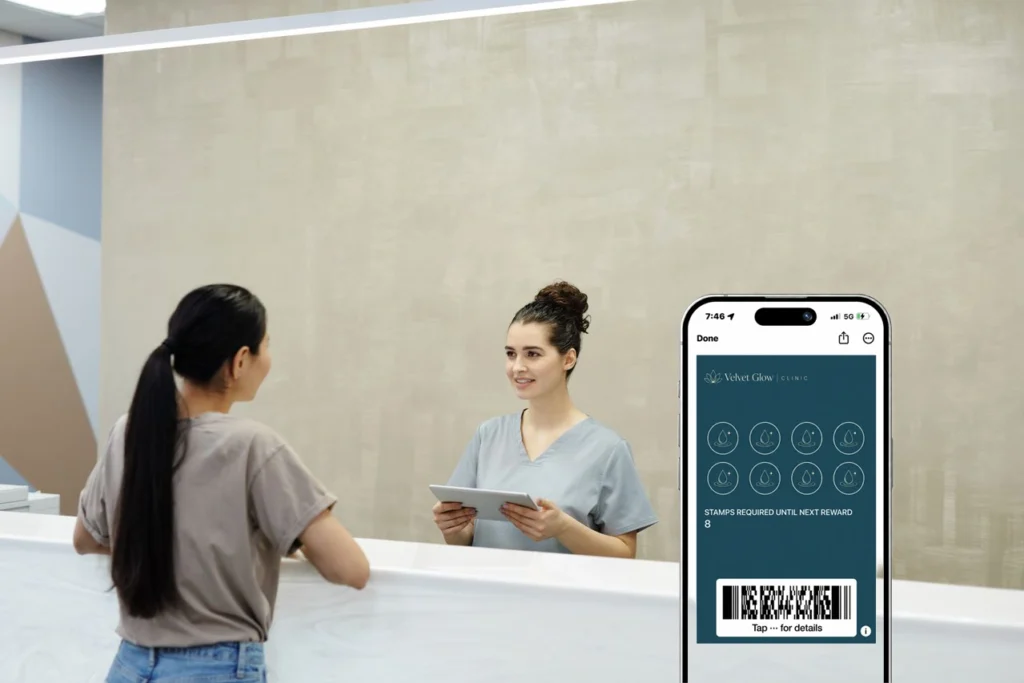


A loyalty card system for small business can change your engagement with customers by helping you encourage repeat visits and reward their loyalty.
Understanding the basics of how these systems work is key to their success. Different types of loyalty card systems offer various features and benefits, and selecting the one that fits your business best can make a significant difference.
This extensive guide will explore the ins and outs of loyalty card systems for small businesses, highlighting their benefits, different models, and best practices for implementation.
Understanding loyalty card system for small business
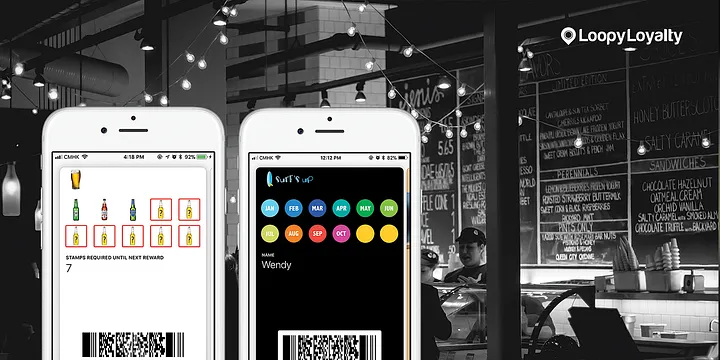
A loyalty card system helps you reward customers who frequently buy from your business. Customers get a loyalty card, which tracks their purchases. Once they hit a certain number of purchases or points, they receive a reward like a discount, free product, or special offer.
These systems can work with physical stamps on cards or through mobile apps, wallets and POS systems.
With technology becoming more affordable, many small businesses are now choosing digital solutions that integrate with their existing sales systems, making it easier for everyone to track progress and rewards.
Why small businesses need customer loyalty programs
Retaining your current customers costs less than finding new ones. Keeping your existing clientele engaged and happy can save money and boost your sales.
Personalized offers or exclusive deals can further strengthen this bond.
Customers value when businesses recognize their preferences and treat them as individuals. By prioritizing these connections, you can convert one-time buyers into loyal customers.
Key advantages of loyalty card system for small business
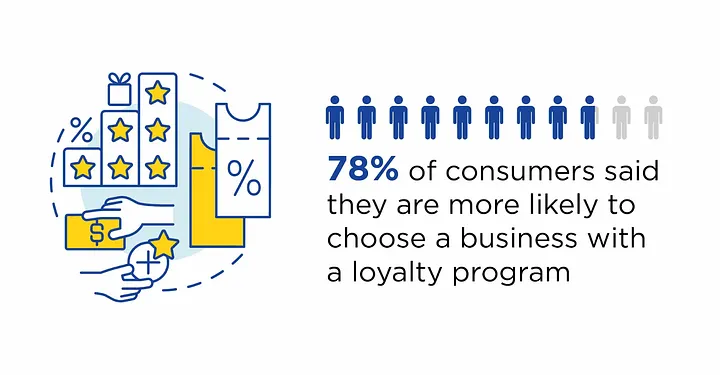
Let’s explain the additional benefits of a loyalty card system for your small business:
- Increased average transaction value: Loyalty cards can encourage customers to spend more per visit by offering rewards for reaching certain spending thresholds. It can lead to a higher average transaction value and increased overall sales.
- Better inventory management: Analyzing the shopping habits of loyalty cardholders can help you predict demand more accurately. It can lead to better inventory management. You’ll reduce overstock and stockout and ensure that the items your customers love are always on the shelves.
- Reduced price sensitivity: Customers invested in a punch card loyalty program are often less sensitive to price changes. The perceived value of rewards can outweigh minor price increases, allowing businesses to maintain or even improve profit margins.
- Seasonal sales boost: Loyalty programs can be effective during holidays or special sales events. Offering double points or exclusive rewards during these times can drive higher sales volumes and customer participation.
- Encouragement of positive reviews: Satisfied loyalty program members are more likely to leave positive reviews and testimonials. It can improve your online reputation, differentiate your business from competitors and attract new customers.
With these advantages, you can develop a strong loyalty marketing strategy that sets the stage for long-term success and growth.
Popular customer loyalty program models
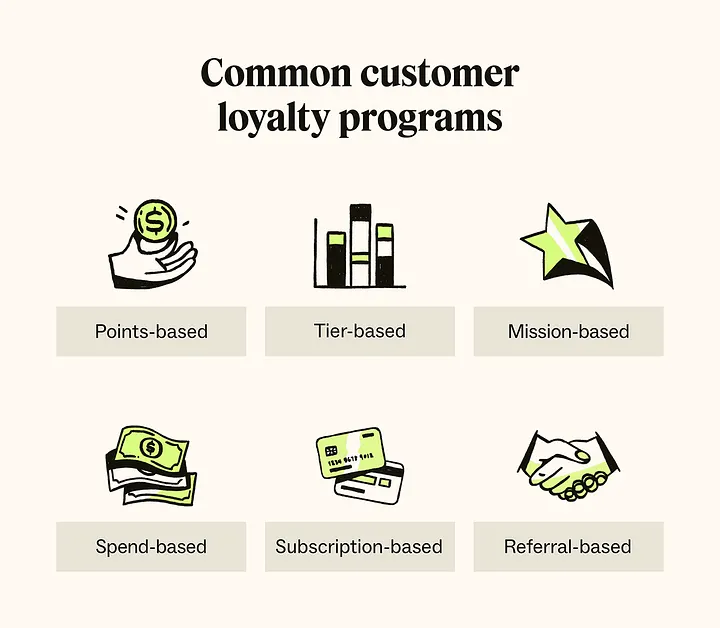
Understanding the following models can guide you in setting up an effective strategy to reward and retain your customers.
Points-based systems
Points programs are among the most popular customer loyalty programs. Customers earn points for their purchases and can later redeem them for rewards or discounts.
This model is flexible and easy for customers to understand and offers immediate gratification and a clear incentive to return to your business.
Tiered rewards
Tiered rewards systems offer different levels of rewards based on buyer spending. These programs incentivize customers to spend more to reach higher tiers.
Each tier offers unique benefits, such as exclusive discounts, early access to sales, or unique gifts. It’s a great way to encourage frequent visits and larger transactions.
Referral programs
Referral programs focus on turning your existing customers into advocates for your business. Customers who refer friends or family to your store receive a reward.
Incentives in referral programs can include discounts or store credits for customers referring others. You’re expanding your customer base and strengthening existing relationships at the same time.
Subscription models
Subscription models involve customers paying a recurring fee to access exclusive products, services, premium content, special deals or discounts.
It ensures consistent income and creates an opportunity to build strong, long-term relationships.
Choosing the right loyalty card system for small business
Think about your customer base when choosing a loyalty program model.
Are they tech-savvy, or do they prefer something straightforward? Understanding customer habits can help you decide whether a points system or a simple discount card fits best.
Next, consider the technology you currently use. A loyalty program should integrate seamlessly with existing systems. Check if your cash register or CRM can handle the program without glitches or major updates.
Consider your business goals, too. If you want to boost repeat sales, options like points-based systems can encourage customers to return. Evaluate what drives your sales and find a program that aligns with that.
Finally, don’t forget to assess the cost. Ensure the program is within budget and justifies its value.
Why switch to a digital loyalty card system for small business
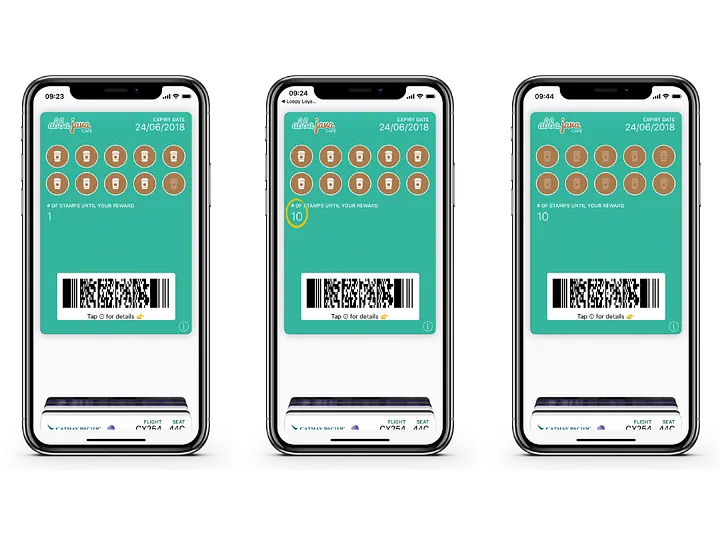
Traditional punch cards have limitations, while digital solutions offer efficiency and flexibility. Let’s explain how these systems impact your business operations.
The drawbacks of traditional punch cards
While traditional punch cards might seem simple, they have several downsides. Customers frequently lose or forget them, leading to fewer repeat visits.
Handing them requires manual tracking, creating space for errors and inefficiencies. This paper-based approach also doesn’t provide much insight into customer behaviors or preferences.
Another issue is that punch cards offer limited customization options. It can be tough to personalize offers or rewards, so you might not engage your customers as well as you could.
Over time, printing costs can add up, impacting your budget. These drawbacks make it worth considering more advanced solutions that can streamline your loyalty program.
How digital loyalty solutions simplify loyalty management
Digital loyalty cards and systems offer a modern way to engage customers. These platforms can support unlimited transactions and rewards. Every transaction and event is stored in a secure database with a complete audit trail.
You can easily track customer behaviors, preferences and spending patterns, allowing for customer segmenting, retargeting and special deals and rewards that increase engagement.
Digital loyalty solutions eliminate the need for physical cards, promote hygiene and safety, reduce the chances of loss or theft, and support eco-friendly practices.
With digital systems, managing loyalty programs becomes simpler and more efficient. Automated tracking reduces errors, and you can apply updates instantly.
This flexibility lets you quickly adjust to the changing needs of your customers.
Key features of digital loyalty card system for small business

Choosing a loyalty app requires careful consideration of key features.
These small business loyalty platforms should offer real-time tracking, seamless user experiences, and integration with various platforms, making it easier to build genuine customer loyalty.
Let’s explain the key elements to look for in the best loyalty apps for small businesses.
Real-time tracking and data insights
Digital loyalty systems provide real-time data insights to analyze customer behavior and optimize campaigns.
With top loyalty apps, you can keep tabs on purchases and rewards, spot trends, and make informed decisions that can really improve your loyalty strategies.
This real-time loyalty program data is key for getting to know your customers better and improving your marketing efforts.
Customization options
Customization options can enhance the loyalty app experience for businesses.
Your loyalty program should reflect your brand’s personality. Look for a digital rewards platform that lets you customize designs and setups to match your unique style.
This makes the program more appealing and helps create a stronger connection with your customers.
Seamless user experience for customers and staff
A loyalty card system for small business should have a user-friendly interface that makes it easy for both customers and staff to use.
For customers, it means straightforward navigation and easy access to their rewards via their smartphones.
For staff, it’s about having a simple process for enrolling customers and managing their rewards, which boosts efficiency all around.
Rewards flexibility
Whether it’s discounts, free products, or exclusive access, the rewards need to be attractive and valuable to keep customers motivated and encourage them to return for more.
Integration with POS, CRM, and online platforms
Integration capabilities allow for consistent reward earning and redemption, in-store or online.
It ensures that your digital punch card system is effective across multiple sales channels, creating unified loyalty card promotions and consistent customer experiences.
Digital loyalty solutions may also include connections with third-party services for customer segmenting and retargeting based on behavior with special deals or rewards.
Customer engagement features
Companies can send targeted messages straight to customers’ smartphones, enhancing engagement.
Look for systems that come with push notifications or location-based alerts. These digital tools are convenient and also drive higher participation, keeping your customers interested and encouraging them to interact with your brand more frequently.
Affordability
If you’re a small business, cost is often a big concern, especially since the pricing models for loyalty apps can vary significantly between providers.
Find a small business loyalty program software that offers the features you want without breaking the bank.
Affordable solutions mean that businesses with limited budgets can still create effective loyalty programs.
Security and support
Never compromise on security — make sure the system you choose protects your customers’ data. Reliable customer support is also key for quickly resolving any issues that happen.
Strong security measures and dependable support help maintain customer trust and ensure your loyalty program runs smoothly.
Why choose Loopy Loyalty for your small business
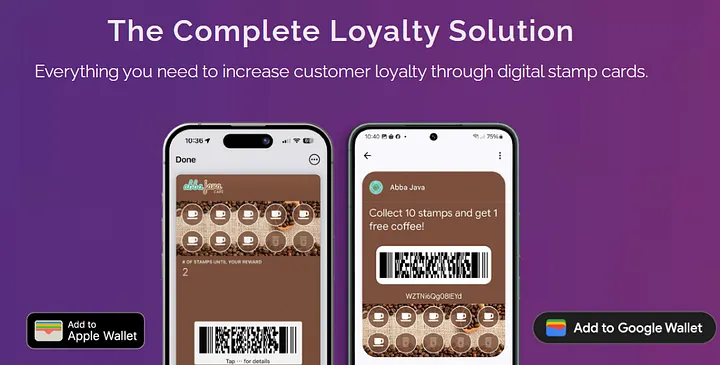
Loopy Loyalty is a cloud-based loyalty punch card app for small businesses. It provides a digital loyalty stamp card platform, allowing you to seamlessly create and manage modern loyalty programs.
Loopy Loyalty stands out for its digital convenience, letting you replace traditional punch cards with digital ones in Apple Wallet and Google Wallet. It makes your loyalty program easy for customers to access anytime without the hassle of carrying physical cards.
You can start a free trial to experience the platform.
How Loopy Loyalty works
With loyalty punch card templates, you get to design your custom punch card with customizable options like text, images, and colors. It gives your business a personalized touch while choosing from different reward options to keep your customers engaged.
The platform is all about simplicity with contactless stamping. Use its Stamper app on iOS or Android or the online stamper tool to quickly add stamps for customer purchases.
You can distribute your loyalty program through offline and online channels. Use QR codes and share promotional punch cards online to quickly reach more customers.
Analytics features are essential for measuring the effectiveness of loyalty programs. Calculate your ROI automatically and keep track of your business’s success with real-time data. Loopy Loyalty provides insights that help you track customer behavior and program effectiveness.
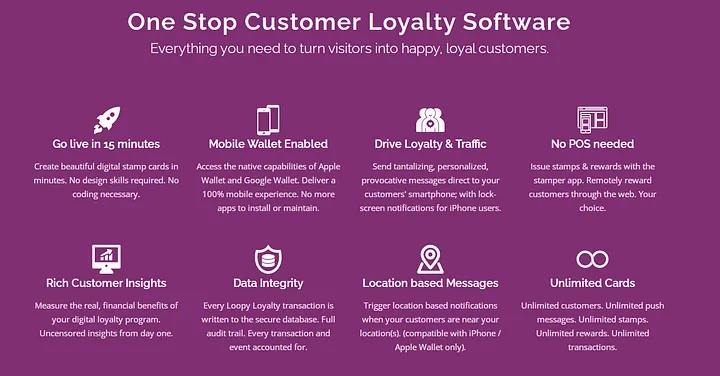
Benefit from issuing unlimited stamps and rewards to fit your business’s growth. With the tool’s transaction history feature, you can learn about your customers and use this data for personalized marketing.
Loopy Loyalty is compatible with mobile wallets and can be enhanced through Zapier integrations.
Enjoy helpful support through email and live chat to ensure everything runs smoothly.
Start with a free trial and choose from flexible pricing plans starting at $25 per month.
Best practices for implementing a loyalty card system
Here are some best practices to ensure your loyalty program is engaging and effective.
Define clear goals for your loyalty strategy
Define what you want to achieve. Are you looking to increase repeat purchases, improve customer engagement, or encourage larger transactions?
Create SMART goals (Specific, Measurable, Achievable, Relevant, Time-bound) to focus your efforts. Clear objectives make it easier to design a program that aligns with your business vision and customer needs.
Choose rewards that appeal to your customers
Offer customizable rewards that cater to customer preferences, such as discounts, exclusive VIP rewards, or special deals.
Understanding what motivates your customers through surveys or feedback can help you choose appealing rewards.
Engaging rewards increase participation and sustain long-term loyalty. Ensure the rewards are exciting for customers but also cost-effective for your business.
Promote your program through digital and offline channels

Getting the word out about your loyalty card system is key for getting people involved. Use emails, social media, and store signs to create buzz.
Sending targeted messages through email or SMS can really help spread the word and get customers to join in. Share your wins and show off the rewards on social media.
Teaming up with local businesses for promotions can help you reach even more people. Keeping your messaging consistent across all platforms will make it easier for everyone to see what you’re offering and help your program grow.
Boost participation with attractive sign-up incentives
Encourage customer sign-ups by offering incentives like bonus points, special deals, or discounts on their next purchase. It can be a decisive factor in motivating customers to join your loyalty program.
Keep sign-up processes simple and quick to improve user experience. A time-limited promotion can also create urgency, prompting customers to act immediately.
Once enrolled, maintain engagement with regular updates and rewarding activities to keep your members active.
Measuring the success of the loyalty card system

To understand if your loyalty card system is working, keep an eye on customer behavior. Notice how often they visit and if they spend more. If the number of repeat visits goes up, your program might be encouraging loyalty.
Tracking repeat purchases is key. A strong system motivates customers to come back for more. You can measure this by looking at how many times a customer buys something after their first purchase.
Consider the engagement rate. Do customers actively use their cards, or do they forget about them? High engagement means your program is interesting and useful. If they are not engaged, maybe the rewards need to be more attractive.
Look at your redemption rate, which shows how often customers use their points or rewards. This rate helps you know if they find the benefits valuable. A high redemption rate suggests that the rewards are appealing and effective.
Get feedback straight from your customers. Sometimes, the easiest way to find out if your program is working is just to ask them. Their thoughts can help you make improvements and your program more appealing.
It’s super important to send out personalized offers to your loyal customers so they feel appreciated. Customize your messages and rewards based on what they like and how they behave.
And don’t forget to keep an eye on how many new customers you have. If you see more people joining in, it means your loyalty program is really winning them over.
Conclusion about the loyalty card system for small business
A loyalty card system can be a fantastic way to keep customers coming back and build brand loyalty. When you reward repeat customers, it shows them you appreciate their business, which can really boost sales. This kind of program is especially important for small businesses since a loyal customer base is crucial for growth.
Setting up a loyalty card program is pretty easy if you have the right tools. Lots of loyalty software can seamlessly work with your POS systems, making it simple to manage rewards and keep an eye on customer behavior.
Think about offering business loyalty cards for discounts or special promos. By figuring out what your customers really want, you can create rewards that keep them engaged. Jumping on the loyalty card system trend can really help boost your business’s reach and reputation.
If you’re a small business owner looking for a complete loyalty program app, Loopy Loyalty is a great pick. It has customizable digital stamp cards, lets you track unlimited customers and their participation in real-time, offers advanced integrations, and is really easy to use for staff and customers. That makes it a breeze to set up and run an effective loyalty program!
Start a free trial with Loopy Loyalty today and see how it can boost your customer retention strategy.
FAQs about the loyalty card system for small business
Let’s briefly answer the most common questions.
Do loyalty programs work for small businesses?
Loyalty programs can really work well for small businesses. They help keep customers coming back, encourage them to make repeat purchases, and offer useful insights for targeted marketing, which can boost growth and make customers happier.
How to make a loyalty card for business?
If you want to set up a loyalty card for your business, start by picking a program model that fits what you need, like a points system or tiered rewards. You can design either a physical card or a digital system to track customer purchases and rewards.
Tools like Loopy Loyalty can help you create customizable digital stamp cards and easily link them with your POS system.
How much does it cost to create a loyalty program for a small business?
When it comes to costs, creating a loyalty program can vary a lot. Basic digital loyalty systems can start around $50 a month, but if you want something with more features, it could cost several hundred dollars each month. Just make sure to pick a solution that fits your budget and promises a good return on investment.