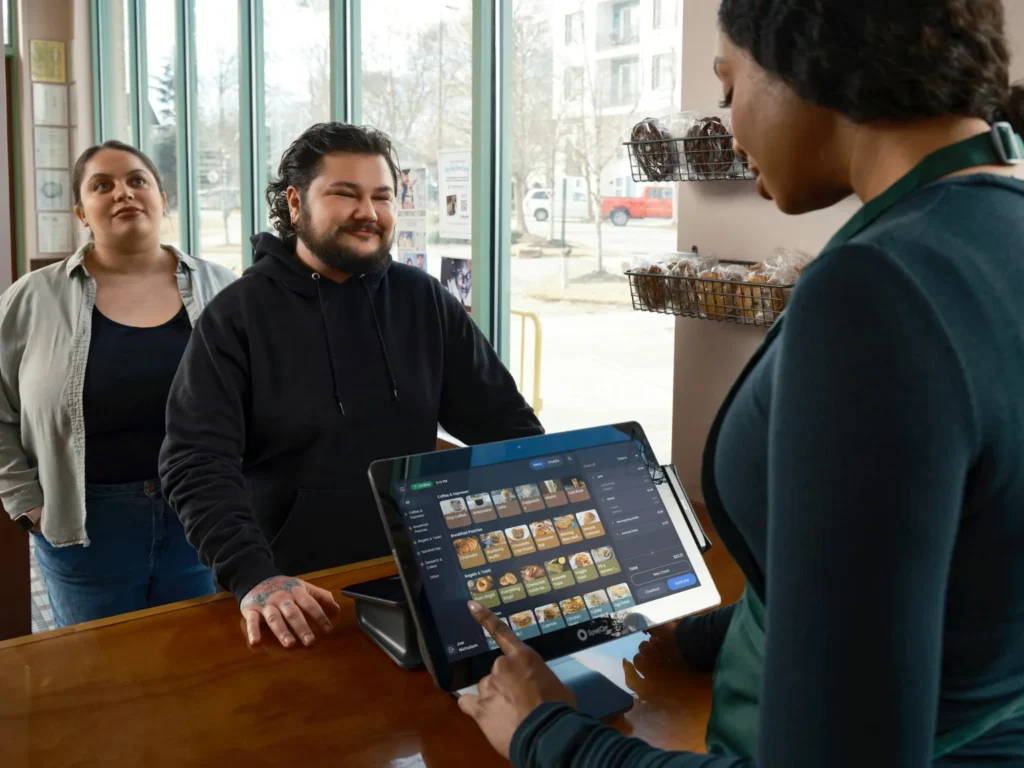


For decades, paper punch cards were the norm for coffee shops, salons and small retailers. Customers would collect stamps or punches and know their 10th purchase would get them a freebie. These were simple, cheap and effective in their time.
Today, customers carry smartphones everywhere. They expect convenience, personalization and instant rewards.
Businesses that still use paper loyalty programs will fall behind while competitors adopt digital loyalty cards that track purchase history, send push notifications and deliver exclusive access to offers.
This guide will show you how to transition from paper punch cards to digital systems. We’ll cover why the switch is happening, the benefits for customers and businesses and a step-by-step roadmap to launch your new digital program successfully.
Why businesses are moving away from paper punch cards
The classic punch card system was easy to set up but had many flaws:
- Error-prone: A busy cashier might forget to stamp a card, and the customer will be frustrated.
- Lost cards: People lose them all the time, so they lose progress and loyalty momentum.
- No data: Businesses can’t collect customer data, track purchases, or analyze redemption rates.
- High costs: Printing, distributing and replacing paper cards add up over time.
- Environmental impact: Throwaway paper is waste.
Paper punch systems made sense in the past, but no longer align with today’s customer expectations.
The rise of digital-first customer experiences
Loyalty is no longer just about free coffee. It’s about building a relationship between customers and a brand.
Digital systems let businesses to:
- Give exclusive access to events or discounts.
- Send real-time communication through push notifications.
- Provide seamless app interface experiences.
It turns loyalty from a transactional perk into an ongoing relationship built on relevance, convenience, and connection.
Understanding the shift from paper to digital loyalty systems
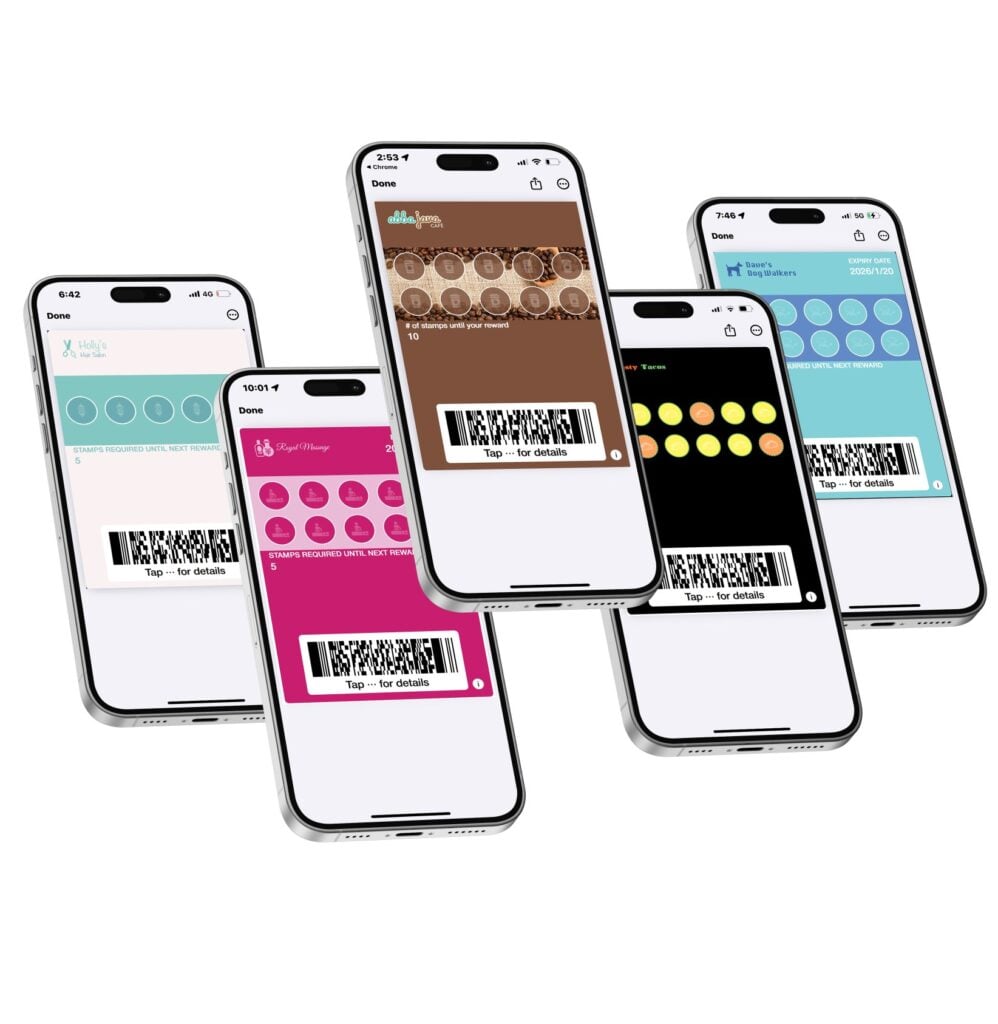
In the early days, a card represented loyalty progress physically. Today, digital loyalty systems replicate that, but with far greater flexibility.
Instead of a paper punch, a store records progress digitally via QR codes, barcodes or NFC taps.
Why customers prefer mobile-based loyalty programs
For customers, the appeal is clear:
- No more worrying about lost or forgotten cards.
- Rewards are always accessible right on their phone.
- Points and perks update automatically after each purchase.
- Timely push notifications keep them in the loop on offers.
- Exclusive deals and early access make them feel special.
- Personalized rewards show that the brand truly understands them.
They feel valued because the program adapts to their purchase history and preferences.
Key benefits for businesses
Digital systems give businesses the power to:
- Capture detailed customer data to target offers more effectively.
- Reduce errors by automating the tracking process.
- Make reports on customer engagement and redemption rates.
- Scale seamlessly across multiple stores without reprinting cards.
- Connect with data storage and analytics tools for deeper insights.
Switching from old-school paper tracking to data-driven systems helps businesses save time and set the stage for better insights, customized experiences, and growth that can really take off.
Four signs it’s time to upgrade your loyalty program
Even the best-intentioned paper-based loyalty programs can hold your business back. Here are a few clear signs it’s time to switch to digital.
Low customer engagement with paper cards
If customers never fill up or redeem their paper loyalty cards, it means the system isn’t motivating them to come back. A digital program makes compensation more visible, trackable and rewarding. It keeps customers engaged long term.
High printing and replacement costs
Reordering stacks of paper cards and dealing with replacements for those that are lost or damaged quickly adds up and eats into your budget. These costs over time drain resources that could be invested in a digital program that pays off with better retention and efficiency.
Tracking customer behavior and ROI
Paper cards don’t tell you much about your customers beyond how many stamps they’ve collected. Without digital tools, you can’t track repeat visits, purchase trends or whether rewards are really boosting retention. A digital system gives you the data to measure results and adjust.
Competitors are going digital
When competitors offer digital loyalty apps, push notifications and personalized perks, your paper card program looks old-fashioned. Customers will choose brands that make loyalty seamless and modern, leaving your business behind.
Planning your transition: What to consider before going digital

Switching from paper to digital loyalty is about building a program that delivers value to your business and your customers.
Think about loyalty goals
Every program needs a clear purpose. Do you want to get more repeat visits, get referrals or upsell higher value purchases?
Define reward structure
Rewards must feel achievable and relevant. A coffee shop might offer a free drink after eight purchases, and a salon might offer exclusive access to premium services.
Budget for setup and long-term scalability
Factor in:
- Initial setup and software fees.
- Staff training.
- Marketing campaigns to promote the new program.
Get your staff and customers ready for the change
Staff need to be able to explain how the digital punch card program works, and customers need to be reassured about data privacy and ease of use.
Step-by-step process to transition from paper to digital
Shifting to a digital loyalty program doesn’t have to feel overwhelming. Breaking it down into steps helps ensure a smooth and successful transition.
Audit your existing loyalty program performance
Measure current customer engagement, redemption rates and how many errors occur with paper cards.
Select the right digital loyalty platform
Look for a small business loyalty platform that integrates with your POS, has an app interface and supports communication features like push notifications.
Design and customize your digital stamp card
Your own mobile loyalty programs should reflect your brand identity. Add visuals, colors and rewards that make sense for your customers.
Run a pilot test before full rollout
Test your new digital program with a small group. Gather feedback, resolve issues and then roll out across all stores.
Why Loopy Loyalty is the best digital stamp card software
When moving from paper punch cards to a modern, mobile-first solution, Loopy Loyalty stands out as one of the most effective loyalty card systems on the market.
Designed for small and medium-sized businesses, it makes it easy to create, manage and distribute customized digital stamp cards that customers can access via mobile wallets.
By reducing friction and integrating with tools people already use, Loopy Loyalty helps businesses boost customer retention, engagement, and measure results in real-time.
Start a free trial now.
Customer-first platform
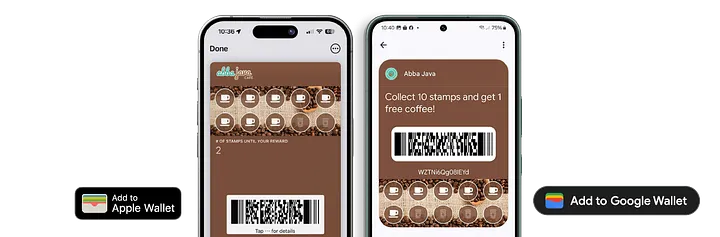
Unlike some loyalty apps that require users to download yet another standalone app, Loopy Loyalty integrates with Apple Wallet and Google Wallet.
Your customers don’t need to clutter their phones with new downloads. They can check their stamp balance, see rewards and redeem offers directly from the digital wallet they already use daily.
This ease of access means higher participation rates and fewer barriers to engagement. You can also send push notifications and location-based alerts to keep customers in the loop.
Customizable digital stamp cards
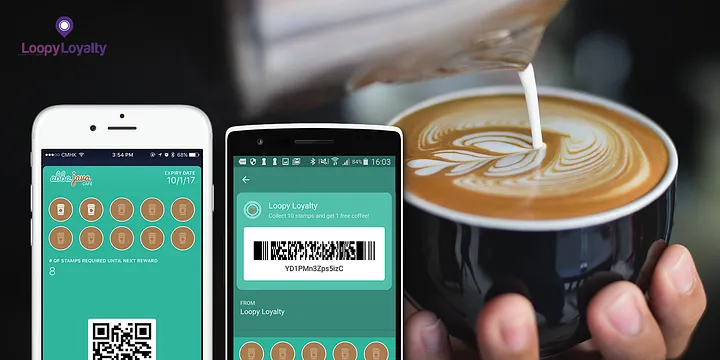
Every business is unique, and Loopy Loyalty reflects that with highly customizable design options.
You can create digital punch cards that match your brand by adding your logo, colors and imagery.
You can also tailor the reward structure, including free items after a certain number of purchases, tiered rewards or even multi-location benefits.
This flexibility means you can design a program that feels like an extension of your business, not a generic template.
Multichannel promotion and distribution

Getting customers to sign up is often the biggest challenge for loyalty programs. Loopy Loyalty solves this by supporting multichannel promotion.
You can share your digital cards on your website, across social media or even printed materials with QR codes that link to the signup page.
This omnichannel approach means you meet customers wherever they are — online, in-store or on the go.
Easy reward issuing with digital tools
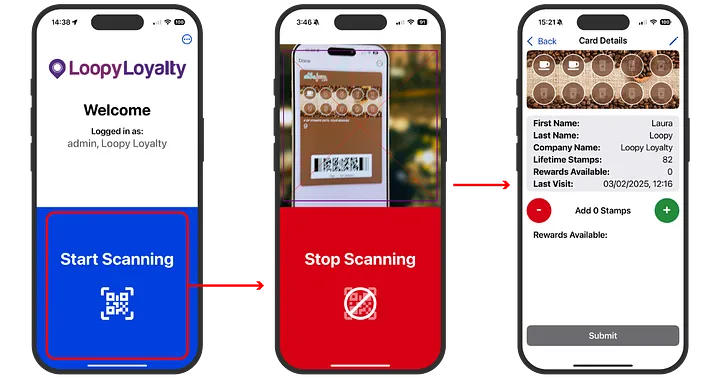
Loopy Loyalty’s Digital Stamper App, available for iOS and Android, makes reward management easy for staff.
Whether you’re stamping in-person purchases or issuing rewards remotely through the online stamper tool, it’s quick, secure and contactless.
It saves time and is a hygienic, paperless solution.
Real-time data and insights
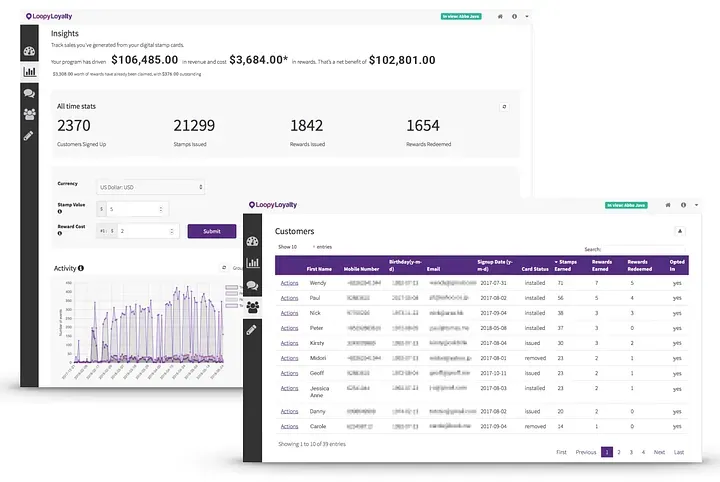
Unlike traditional paper loyalty programs that provide no customer data, Loopy Loyalty gives you real-time analytics.
You can see how many people have signed up, how often they’re using their cards and what your redemption rates are.
You can even review individual purchase history to see your most loyal customers and tailor offers to their preferences.
With this data, you can refine your strategy, improve customer engagement and maximize ROI.
Seamless integrations
Loopy Loyalty also integrates with third-party apps via Zapier, so you can connect your loyalty system with other tools you already use.
Whether it’s syncing with your email marketing platform, CRM or POS system, these integrations mean your loyalty program is part of a larger connected ecosystem.
Great support
For businesses new to digital loyalty, support is key. Loopy Loyalty delivers with chat, email and help center resources.
From setup guidance to troubleshooting, their team will never leave you to figure it out on your own.
The platform is so intuitive that your staff can learn it quickly without needing technical expertise.
Affordable and flexible pricing
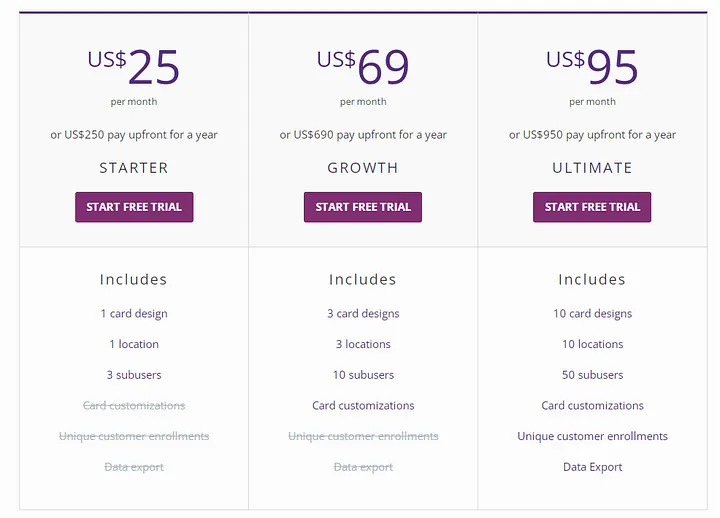
Cost is a concern for small businesses, but Loopy Loyalty is transparent and flexible. You can start risk-free with a free trial — no credit card required.
When you’re ready to commit, paid plans start at just $25 per month and include unlimited cards, customers, push messages, stamps, rewards and transactions.
You don’t have to worry about hidden limits as your program grows. And you can cancel anytime, so you’re in full control of your budget.
Why choose Loopy Loyalty
Loopy Loyalty has everything small businesses need in a loyalty solution: ease of use, affordability, customizability and powerful data insights.
By eliminating the hassle of paper punch cards and replacing them with a streamlined, mobile-first system, it helps you strengthen customer loyalty, reduce operational headaches and keep up with modern trends.
If you want to future-proof your loyalty strategy and keep it simple and cost-effective, Loopy Loyalty is the best digital stamp card software to do that.
Start a free trial now.
Educating staff and customers during the transition
Switching from paper loyalty programs to digital loyalty cards is about people. If your employees and customers don’t understand the new program, adoption will stall. Education is the bridge that ensures a smooth transition.
Train staff to explain digital stamp cards
Your staff are the first point of communication with customers, so their confidence makes all the difference. A well-trained team means customers will feel confident about the system.
Here’s how to do that:
- Hands-on training: Have employees sign up for the digital loyalty program themselves so they understand the app interface from a customer’s perspective.
- Role-playing scenarios: Practice common questions like “What happens if I switch phones?” or “How do I redeem rewards?”
- Cheat sheets: Make some quick reference guides with easy step-by-step instructions so that staff can help customers fast during busy times.
- Ownership mindset: Get employees to think of themselves as ambassadors for the new program, not just cashiers ringing up sales.
When employees can explain features like no more lost cards, exclusive access, or push notifications, customers are far more likely to sign up.
In-store signage and guides for customers
Visual aids reinforce what the staff explains. Posters, flyers, and QR codes help clarify the program visually, but they should be designed with clarity and impact in mind.
Consider:
- QR code posters at checkout: Customers can scan and join instantly.
- Step-by-step flyers: Simple graphics showing how to download, sign up and start earning rewards.
- Digital screens: If your store has monitors, display short videos demonstrating the system.
- Consistency: Use the same colors, fonts and tone as your brand so the new program feels like a natural extension of your identity.
Offer incentives for first-time digital users
Adoption needs a little push. Incentives make things feel urgent and give a shout-out to those who jump in early.
Ideas include:
- Bonus points for signing up within the first week.
- Exclusive access to a members-only discount.
- Free item after the first digital check-in.
- Gamification: Run a contest where the first 100 sign-ups are entered into a prize draw.
These incentives drive sign-ups and create positive word of mouth among customers.
Promoting your new digital loyalty program
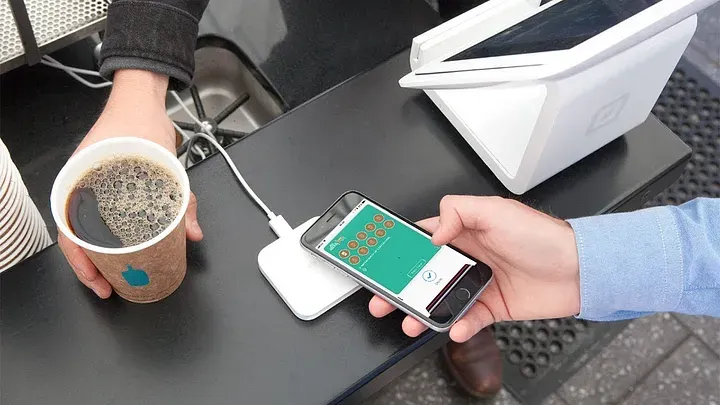
Launching a digital loyalty system is only half the battle. You also need to spread the word. A strong loyalty marketing strategy ensures both existing and new customers know about your new digital program.
Email, SMS and social media promotion
Use your existing communication channels to reach all customers.
- Email campaigns: Send a “We’ve gone digital!” announcement with a clear call-to-action and signup link.
- SMS alerts: Share short, direct texts with a QR code or link to join.
- Social media platforms: Create posts, stories and even short videos that showcase the new system in action.
Pro tip: Highlight the convenience and sustainability angle — many customers love knowing they’re reducing paper waste.
Convenience of mobile loyalty cards
Convenience is the main selling point. Emphasize benefits like no more lost cards, instant reward tracking and push notifications that remind customers of unused rewards.
For example:
- “Never forget your loyalty card again. It’s always on your phone.”
- “Track your rewards in real-time with our new app.”
- “Get notified instantly when you’ve earned a freebie.”
Limited-time promotions
A sense of urgency really gets people moving. Give out double points, extra rewards, or special discounts during the launch.
Example strategies:
- Double stamps for the first 7 days.
- Launch a giveaway for every new signup.
- Tiered rewards, such as free drinks for everyone if 500 people join.
Referrals and word-of-mouth
It amplifies your reach at little cost. Reward customers who bring friends into the digital loyalty ecosystem.
Ideas:
- Give $5, Get $5: Both the referrer and the new member get a reward.
- Social sharing: Encourage users to share their rewards progress on social media platforms.
- Leaderboard challenges: Recognize top referrers publicly for added motivation.
Measuring success after the switch
After your new program is up and running, keeping track of everything makes sure your digital setup is doing its job right.
Sign-ups and customer engagement
Measure how many customers join and how often they use the platform. Look at:
- Sign-up rates per week
- Active vs. inactive users
- Frequency of logins or scans
It helps you see if your onboarding process is working or needs tweaking.
Redemption rates and repeat visits
High redemption rates and frequent repeat visits are a success. If rates are low, it may mean rewards feel unattainable or unappealing. Adjust the structure to make rewards more motivating.
Customer feedback evaluation
Collect data through surveys, app reviews or direct conversations. Ask questions like:
- “What would you like to be rewarded with?”
- “How was the sign-up process?”
- “What features would you like to see?”
Feedback ensures your system evolves with your customers’ expectations.
Rolling out to multiple locations
Once you’ve got everything sorted, launch your system in all your stores. Keep all your data in one place so you can see how things are going at each location, but feel free to tweak the rewards for different areas if some work better than others.
Common mistakes to avoid when moving from paper to digital
Switching to digital is exciting, but without the right planning, it’s easy to stumble on avoidable mistakes.
Choosing a platform with no customization options
A rigid digital punch card system won’t fit your brand or customers. Look for flexibility in design, reward structure and integration with existing tools.
Not training staff or informing customers
Without preparation, there will be confusion and errors. Staff and customers must both feel comfortable before launch.
Overcomplicating the reward structure
Keep it simple. If customers don’t get how to earn and use their rewards, they’re not going to want to join in.
Not using analytics and data insights
Not using data means missing out on opportunities for growth. Analytics will reveal trends, such as peak times for purchases, most popular rewards or which promotions drive the most customer engagement.
Conclusion about transitioning to digital loyalty programs
The move from paper loyalty programs to digital loyalty cards is a no-brainer.
By going digital you’ll reduce waste, increase customer engagement and meet rising customer expectations. Most importantly you’ll future proof your brand in a world where technology and communication drives customer loyalty.
With Loopy Loyalty, you can create branded digital stamp cards that live on a customer’s phone — no apps to download, no cards to lose.
You’ll be able to send push notifications, track engagement in real time and personalize rewards with ease.
Ready to get started?
Sign up today and see how easy it is to bring your loyalty program into the 21st century.