


Digital stamp card platforms are everywhere, and at first glance many of them seem almost identical. But once you start comparing them, you quickly find that pricing is all over the place, from low entry plans to complex per-location or per-customer fees. It is very easy to make a decision based on price alone and only realize later that you are locked into the wrong tool for your business.
In this article, we will break down the main pricing models you will see, explain their pros and cons, highlight the typical extra costs that are easy to overlook, and share a simple framework to help you choose a digital punch card platform that actually fits your business now and in the future.
What Is a Digital Stamp Card Platform?
A digital stamp card platform is a modern, mobile-based system that replaces traditional paper punch cards with digital alternatives. Using smartphone apps, mobile wallets (like Apple Pay or Google Pay), or QR codes, businesses can track and reward customer visits or purchases digitally.
Customers can collect digital stamps or credits on their phones instead of using physical cards, making the experience seamless, contactless, and eco-friendly.
For small businesses such as cafés, restaurants, and retailers, these platforms provide an efficient way to boost customer loyalty, track repeat visits, and manage rewards easily. With customizable loyalty programs, businesses can engage customers more effectively, and customers can quickly redeem rewards directly from their phones, no physical card required.
Why Pricing Models Matter For Businesses

Understanding pricing models for digital stamp card platforms is crucial for selecting the right platform for your business. The right pricing structure can significantly impact your financials, customer retention, and growth potential.
Here are a few key reasons why pricing models should align with your business goals:
Cost Predictability and Budget Control
The pricing model you choose directly impacts how predictable your monthly expenses will be, which is essential for managing your business budget.
Flat-rate models provide fixed monthly fees, allowing for easy budgeting, while usage-based models may vary based on customer activity, which can lead to unexpected costs during peak periods.
Total Cost and ROI (Not Just the Sticker Price)
It’s easy to get caught up in choosing the cheapest option, but long-term value should be your primary consideration.
A low upfront cost may come with hidden fees or limited features that affect the return on investment (ROI). Sometimes a slightly higher-cost platform with more features and customer support can deliver a better ROI in the long run.
Scalability as You Add Customers or Locations
As your business grows, you’ll need a pricing model that can scale. Some models, like per-location pricing, work well for multi-location businesses, while others, like subscription-based models, may become less cost-effective as your customer base increases.
Choosing a model that can grow with your business ensures you’re not stuck with a platform that can’t accommodate your evolving needs.
Pricing Effects on Customer Experience and Program Adoption
The pricing model you choose can also influence how customers interact with your loyalty program. Usage-based pricing may limit features unless your program grows, whereas a freemium model may restrict rewards.
Ensure that the pricing model fits not only your budget but also the level of customer engagement you aim to achieve. Your customers should feel motivated to participate without facing limitations that hinder their loyalty.
Avoid the Feature Trap Match Pricing to How You’ll Use It
It’s tempting to select a platform based on its advanced features, but remember to align pricing with the features your business will actually need.
You may not require high-end analytics or custom branding initially, so paying extra for those features when your business doesn’t need them could lead to overspending. Always choose a platform that matches both your current needs and your future growth trajectory.
Main Pricing Models for Digital Stamp Card Platforms
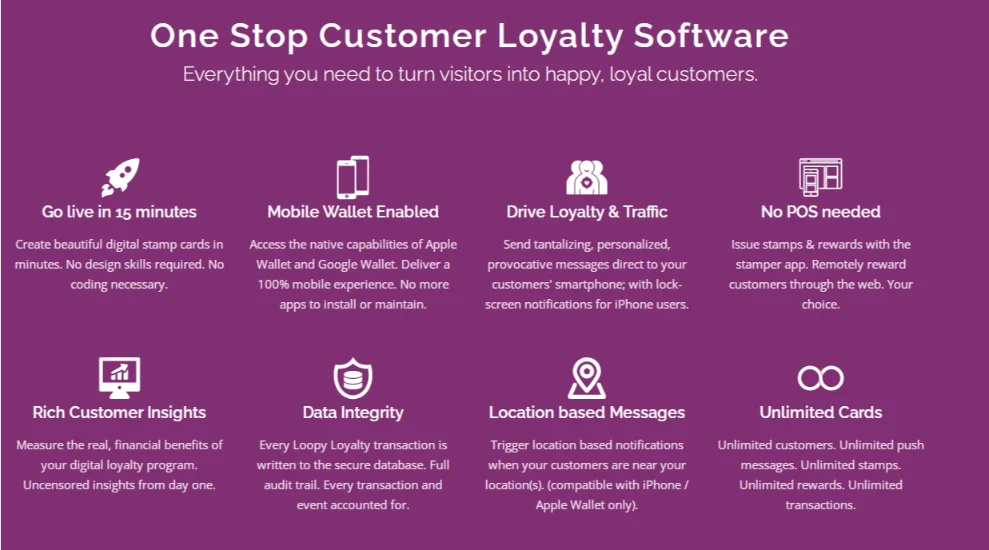
When selecting a digital stamp card platform, understanding the pricing models is essential. Each pricing structure can impact your business’s costs, scalability, and long-term success. Below are the most common pricing models for digital stamp card platforms, explained clearly to help you make an informed decision for your business.
Flat Subscription (Fixed Fee)
In this model, businesses pay a fixed monthly or annual fee for using the platform. This pricing structure is easy to manage and is ideal for businesses that need predictable monthly costs. It’s typically a good fit for businesses with stable traffic or single-location stores.
Tiered Feature‑Based Pricing
Tiered pricing offers multiple plans with different feature sets at each level. As businesses grow and their needs become more complex, they can upgrade to higher tiers. This model is flexible but can lead to significant cost increases as businesses scale or add more advanced features.
Pay‑As‑You‑Go / Usage‑Based
With usage-based pricing, businesses pay based on actual usage, such as the number of stamps issued, transactions processed, or active users. This model is perfect for businesses with seasonal or unpredictable traffic, as it allows costs to scale with the business’s activity.
Per‑Customer / Per‑User Pricing
In this model, pricing is based on the number of active users or loyalty members. This model suits businesses with growing customer bases, such as e-commerce platforms or those with large membership lists, where costs increase as the number of engaged customers grows.
Freemium
Freemium models offer a free tier with basic features, while paid upgrades unlock more advanced functionality. This model is great for businesses just starting out, allowing them to test the platform without committing financially. Paid options typically include more features like customization or analytics.
Hybrid / Mixed Models
Hybrid models combine different pricing strategies, such as base subscription plus usage-based fees or tiered pricing with added usage charges. This approach offers flexibility, catering to businesses with complex needs, such as multi-location operations, but can be more difficult to evaluate due to its blended structure.
How to Evaluate Pricing for Your Business
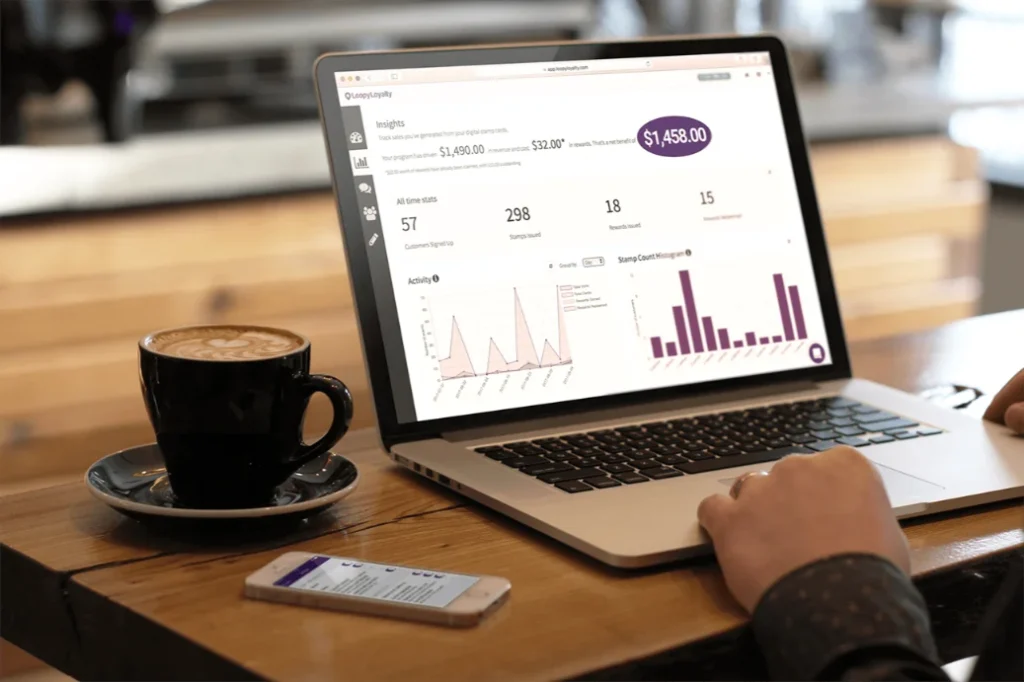
Choosing the right pricing model for your digital stamp card platform involves more than just picking the most affordable option.
By aligning the model with your business’s goals, customer base, and growth, you can ensure the platform provides both short-term value and long-term benefits.
Here’s how to evaluate the best pricing structure for your business:
Step 1: Define Your Business Goals
Start by clarifying the objectives of your loyalty program. Understanding what you’re trying to achieve will help you determine which pricing model fits best.
Ask yourself:
- Retention: Are you focused on keeping existing customers engaged?
- Frequency: Do you want customers to visit more often or make repeat purchases?
- Spend: Are you aiming to increase the average amount spent per visit?
Each goal will require different features from your platform, which will influence the type of pricing model you choose.
For example, businesses focused on retention might need unlimited usage and robust reporting features, making subscription models a good fit. Meanwhile, businesses seeking to boost frequency might benefit from a pay-per-visit or usage-based pricing model.
Step 2: Estimate Customer Volume & Growth
Next, estimate your current customer volume and how much you expect it to grow. For businesses with stable traffic, a flat-rate model might be ideal because it provides predictable monthly costs. However, for businesses that experience seasonal fluctuations or expect rapid growth, a pay-per-use or pay-per-user model may offer more flexibility.
If your business plans to add more locations or expand, consider a model that scales well, such as per-location pricing, which works well for multi-location businesses.
However, if your traffic fluctuates, consider models that grow with you, like usage-based pricing, to avoid overpaying during slower periods.
Step 3: Estimate ROI and Revenue Impact
This step is crucial to assess whether the loyalty platform will pay off in terms of increased revenue. Calculate the additional revenue the platform could generate by encouraging repeat visits or increased spending per visit.
For example:
- 100 customers visiting one extra time per month, spending $5 more each time, would generate $500 in extra monthly revenue.
Then, compare this to the monthly cost of the platform. For instance, if a platform costs $50/month, and you’re generating $500 in extra revenue, this results in a 10x return on investment (ROI). This simple calculation helps you evaluate if the pricing model aligns with your revenue goals.
Step 4: Compare Total Cost vs ROI Over Time
In addition to monthly fees, some platforms charge hidden fees, like setup costs, transaction fees, or charges for advanced features (e.g., analytics, SMS marketing). These additional costs can significantly increase your total cost of ownership.
Consider these hidden costs:
- Setup & onboarding fees
- Overage charges for exceeding usage limits
- Add-on costs for extra features (e.g., advanced analytics, custom branding)
If your business is growing, make sure to factor in how the pricing structure will evolve. For example, a pay-per-user model may seem affordable initially, but if your customer base expands, it could become more expensive than a fixed subscription model.
Step 5: Costs vs Long-Term Value
Once you’ve calculated potential revenue and compared costs, weigh the long-term value against the immediate expenses. The right pricing model should align with both your current needs and future growth, without causing unexpected costs as your business expands.
The key is to balance affordability with value. Choose a platform that provides predictable costs while helping you achieve your business goals, ensuring a sustainable investment in customer loyalty.
Why Loopy Loyalty Offers the Best Pricing for Your Business
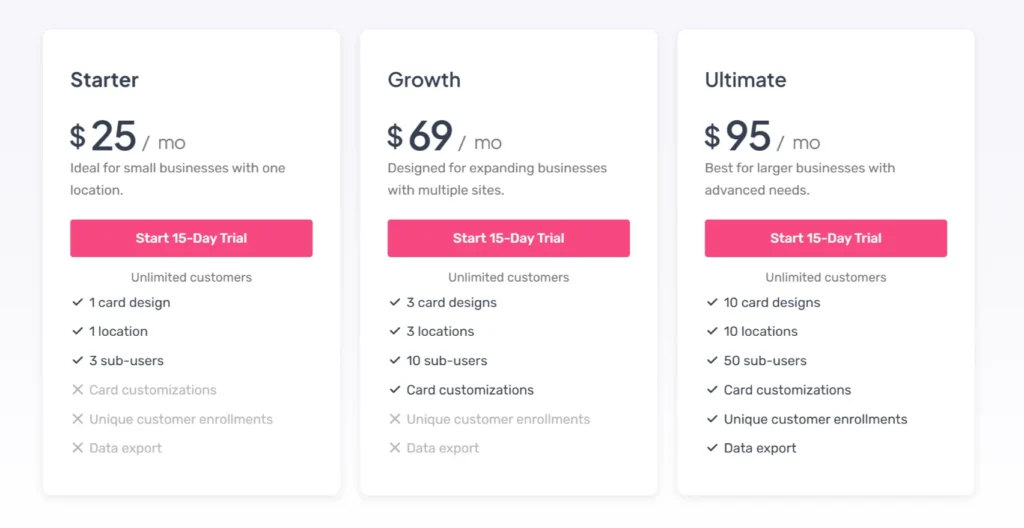
Loopy Loyalty’s pricing model is designed to be flexible, scalable, and transparent, offering exceptional value for businesses of all sizes. Whether you’re just starting or expanding to multiple locations, Loopy has a plan that will meet your needs without hidden fees or surprises.
Sign up for Loopy Loyalty today and enjoy a 15-day free trial, no credit card required, to explore all the powerful features
Affordable and Scalable Pricing Plans
Loopy Loyalty starts at just $25 per month for the Starter plan, providing businesses with unlimited cards, essential features like data export, and customer enrollments. As your business grows, easily scale up to the Growth plan at $69 per month, which supports three locations and ten sub-users, making it perfect for businesses in expansion mode.
For larger operations, the Ultimate plan offers advanced customization for $95 per month, covering ten locations and fifty sub-users. No matter the size of your business, Loopy’s tiered pricing gives you room to grow, without surprise fees.
Unlimited Cards with Every Plan
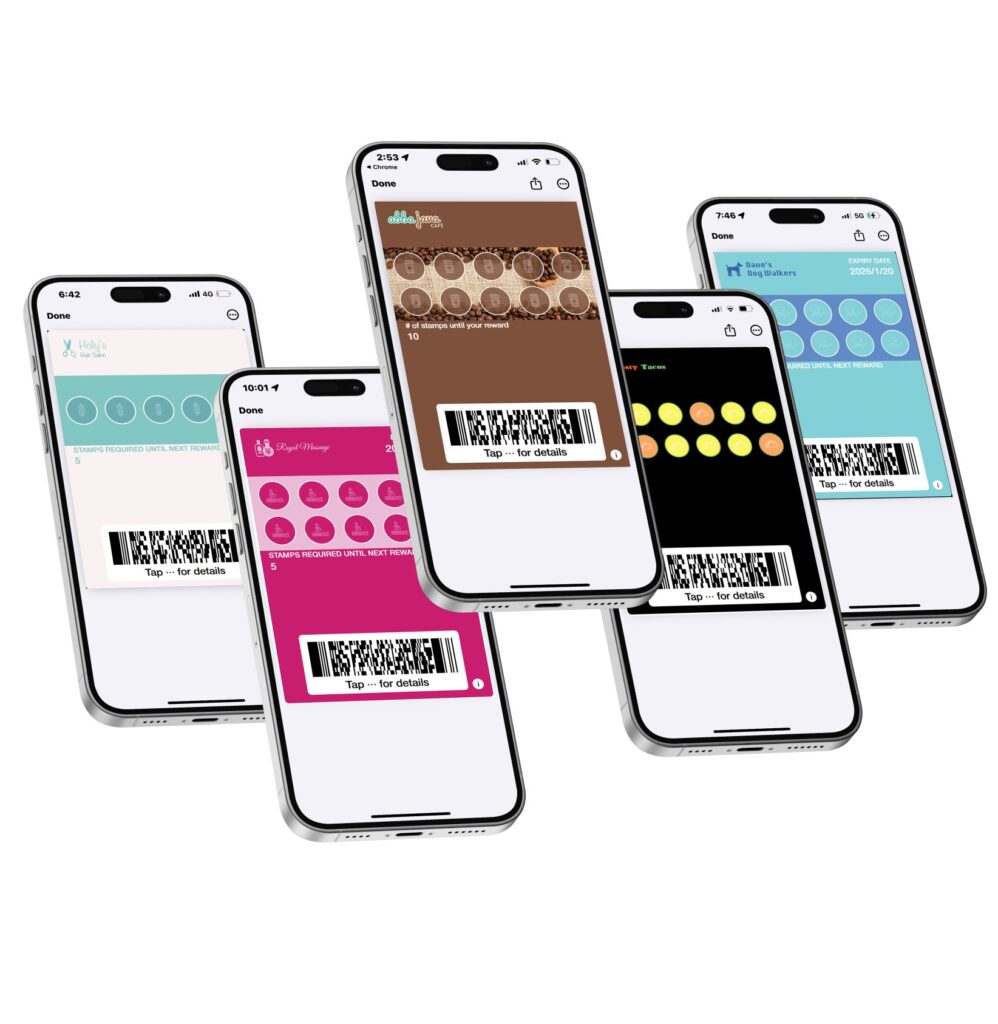
One standout feature of Loopy Loyalty is that every plan includes unlimited card designs. Whether you’re a small café or a larger business, you won’t be limited by the number of loyalty cards you can offer. As your customer base grows, you can continue to design and customize cards that best fit your business, with complete flexibility.
Flexible Payment Options
Choose between monthly or annual payment plans to better manage your budget. Annual plans offer cost-saving discounts: pay $250 upfront for the Starter plan or $690 for the Growth plan, and save on long-term costs while maintaining payment flexibility.
Customizable Features for Every Stage
Loopy Loyalty adapts to your evolving business needs. Start with essential features in the Starter plan and scale up to advanced customization, multi-location support, and detailed analytics as your customer base and operations expand. Loopy is built to grow with you, offering long-term value and flexibility without forcing you into a one-size-fits-all model.
No Hidden Fees
With Loopy Loyalty, you won’t encounter hidden fees. No setup charges, no transaction costs, and no integration fees. The pricing you see is the pricing you pay. Our transparent pricing ensures you won’t face unexpected charges as your business scales.
FAQs About Digital Stamp Card Pricing
As you explore different pricing models for digital stamp card platforms, it’s natural to have questions.
Below are some frequently asked questions to help you navigate your options, understand potential costs, and choose the best pricing model for your business needs.
What Is the Cheapest Pricing Model for a Digital Stamp Card Platform?
The cheapest model varies based on your business’s needs. Freemium models are typically the lowest-cost option to start with, offering a basic level of service at no cost.
However, for long-term growth and better predictability, flat-rate subscription models can provide more value, especially as your customer base and usage increase. Consider what features you’ll need as your business scales to determine the best pricing for you.
Can I Switch Pricing Models as My Business Grows?
Yes, many platforms, including Loopy Loyalty, allow you to switch plans as your business expands.
Choosing a platform with flexible pricing is key, as it lets you scale seamlessly without being locked into an unsuitable plan. Be sure to choose a platform that supports your growth, from the initial stages to multi-location operations.
Are There Hidden Fees With Digital Stamp Card Platforms?
Some platforms may charge extra fees, such as transaction fees, setup costs, or charges for advanced features like analytics, SMS marketing, or additional integrations.
To avoid surprises, always review the full pricing breakdown before committing to a platform. Loopy Loyalty is transparent with no hidden fees, ensuring you know exactly what you’re paying for.
Is a Pay-Per-Visit Model Better for High-Traffic Businesses?
Pay-per-visit or usage-based pricing can be beneficial for businesses with fluctuating or seasonal traffic, as you only pay for what you use.
However, if your business experiences steady high traffic, a flat subscription or tiered pricing model may offer better cost efficiency, helping you maintain predictable monthly expenses.