

As of this article’s writing, the WHO has declared the novel coronavirus COVID-19 a pandemic. The financial markets have experienced a crash not seen since the 2008 financial recession. Over 75% of business supply chains have seen significant disruptions.
The current financial downturn isn’t the first, and it certainly won’t be the last. Any business building for the long-haul need to accept the reality of recession: survive long enough, and your business will come face to face with some form of global crisis.
Surviving and thriving in downturns is less a science than an art — and really, it’s in times of crisis that truly resilient businesses emerge from the pack. While there’s likely a tumultuous period to come, navigating the waters of a downturn correctly will see a business emerge at the other end stronger, leaner & significantly more mission-driven and effective.

So what’s the secret for business leaders to keep the boat steady in a downturn? Customer Loyalty.
The power of loyalty
Part of the challenge of customer experience & success programs is that their impacts are muted in times of prosperity. When global demand is booming, there isn’t much financial disincentive to losing a customer — there’s always another one around the corner. As a result, many executives de-prioritize customer success & loyalty in favor of growth-at-all-costs short-term campaigns.
Much like that emergency fund you forgot about, where customer loyalty really begins to pay dividends is when the purse strings tighten. Customer loyalty is a source of capital all on its own — a loyal customer will continue to give you their business even if it’s temporarily not a financially prudent decision.
In other words, people still patronize their favorite bagel shops — even in the middle of a recession.
Of course, if you haven’t focused on customer success & loyalty in the past, it doesn’t mean you’re SOL in the current (or any future) downturns. You still have a window to act, as every new customer that comes through the door is another opportunity to build that loyalty capital.
However, you have to start right away. Here are a few different steps you can take to foster more and more customer loyalty — and it’s our advice you start right away, especially with the current downturn looking more and more likely to last for the long-haul.
Do things that don’t scale
In times of downturn, it’s time to leave egos at the door. As a founder especially, prepare to take that extra effort to engage your customers that you wouldn’t normally do. For instance, personally reaching out to customers after a sale. Being present at the point of sale. Offering discounts and promotions at a cost to inspire future sales.
These strategies don’t scale, and they’re not a long-term business strategy — but especially for businesses that don’t currently have a large cohort of loyal customers, it’s necessary to start building that initial mote.
This personal touch makes driving those first few advocates significantly quicker. Once you have a few very loyal people in your camp, they’ll begin to advocate on your behalf to their friends and networks, thus spreading your efforts. Don’t think of it as shaking hands with one person — think of it as shaking hands with their entire network.
(Although, given the current circumstances, maybe settle for a friendly smile and wave from a polite distance!)
Engage technology
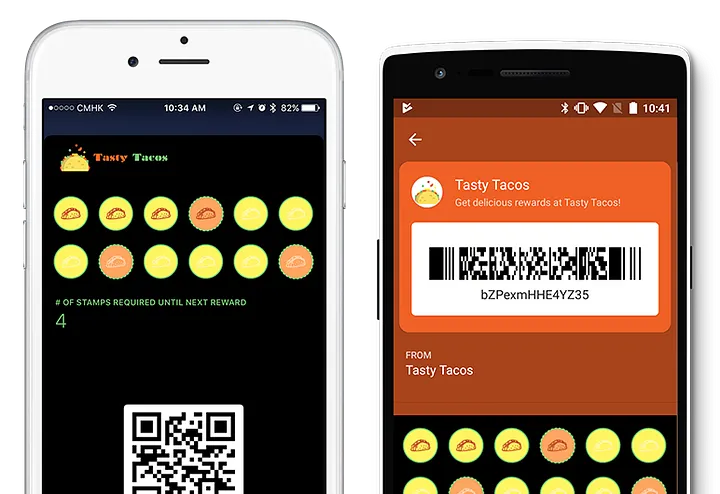
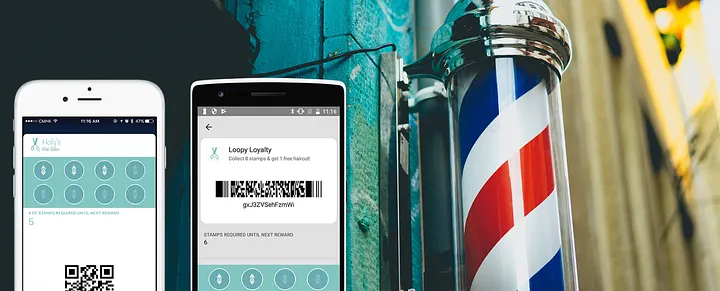
Loyalty platforms like Loopy Loyalty are designed to take what used to be a very subjective effort (“inspiring loyalty”) and turning it into something you can actually control and monitor. Loyalty programs are named that way for a reason — and digital loyalty programs allow you to scale the impacts of those programs without altering your unit cost model in any way.
The other benefit of tech-driven loyalty solutions like Loopy Loyalty is that they enable engagement after the fact. Want to inspire loyalty? Send personalized messages to your customers after a repeated purchase. Actually, incentivize them and acknowledge their value to you as a customer, thus creating a feedback loop to keep coming back.
Collect emails, and send an email blast to your customers to drive them to your webshop or highlight your delivery or take-out services.
The great thing about this solution is that it can have a counterbalancing effect in downturns as well. Consumers are discount-hunting during financial downtimes, so offering a loyalty program or even a novel promotion can be a great way to counter the effects of a downturn.
Also, offering cheaper products when times are tough is one of the single best ways to inspire loyalty — after all, your competitors are probably doing the opposite. There are no better ways than promotions and new loyalty programs and benefits to communicate to your customers that you value them, and empathize with their own financial concerns.
After all, as challenging as a downturn is on small businesses, it ultimately affects the consumers the hardest.
The Bottom Line
Downturns can be rough, but if they’re approached with the right attitude, they can be opportunities. Downturns are a chance to regroup — to cut the fat, abandon areas of your strategy that aren’t working, and become laser-focused towards what’s actually working.
This goes doubly true for your customers. Downturns force you to refocus on your most passionate and ardent customers. And ultimately, making it through a downturn successfully will dramatically improve your lot in the next one.
It’s unclear how long the current downturn lasts, and how systemic it really is — but needless to say now is the time for businesses to start doubling down on their customer success programs and build a network of supporters for the long haul ahead.
Business, as they say, is ultimately built by the customers.