

Most cafés do not need an expensive loyalty platform packed with features they will never use. They need something simpler. A loyalty setup that is affordable, easy for staff to run, and connected to the POS they already use every day.
This guide looks at what POS-linked loyalty means for cafés and how to choose a setup that keeps costs down without making daily operations harder.
What Is a POS-Linked Loyalty Program for a Cafe?
A POS-linked loyalty program is a loyalty setup that connects to your café’s point-of-sale workflow. In simple terms, it means loyalty activity is tied to what happens at checkout instead of being handled as a completely separate process.
That connection can be simple or more advanced. A customer is identified during a transaction, the purchase is linked to their loyalty record, and stamps or rewards are updated automatically or with very little staff input. The benefit is practical: less manual work, fewer missed stamps, and a smoother service flow.
There are three common ways this works.
1. Native POS Loyalty
This is when the loyalty program is built directly into the POS system itself. Everything happens inside one platform. Staff can enroll customers, track visits or spend, and apply rewards without switching tools.
For a café, this is often the simplest setup to manage day to day. The trade-off is that you are usually tied more closely to that POS ecosystem, which can limit flexibility and increase costs depending on the system you use.
2. Loyalty Linked Through Automation Tools
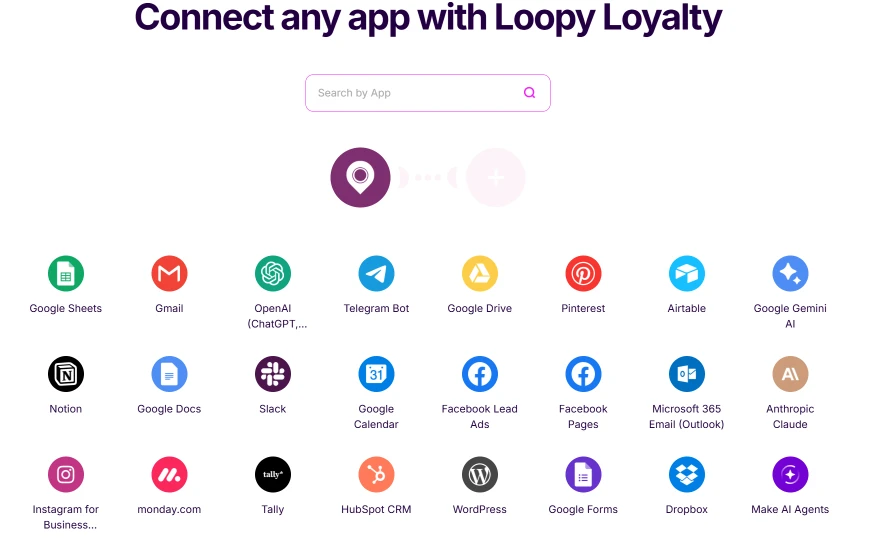
This is when your loyalty platform connects to your POS through tools like Zapier or Make. The loyalty program is not built into the POS, but it still works alongside it.
For example, a customer can be created in one system, matched to a loyalty record, and then receive stamps after an order is completed. What this really means is that your café can keep the POS it already uses while adding loyalty workflows on top, without paying for a larger all-in-one setup.
This option often makes sense for small cafés that want a more cost-effective way to connect checkout activity with loyalty rewards.
3. Loyalty Linked Through an API
This is the most flexible option. Instead of relying on off-the-shelf automation tools, the connection is built through an API. That allows a café or its developer to create custom logic between the POS, customer records, and the coffee loyalty program.
In practice, that could mean issuing stamps based on spend, syncing customer data more precisely, or building a loyalty flow around the way the business already operates. The upside is control. The downside is that it usually takes more technical work to set up and maintain.
At the core, all three versions do the same thing. They connect loyalty to checkout so staff do less manual work and customers get a more consistent experience. The real difference is how that connection happens, how much flexibility you need, and how much complexity your café is willing to take on.
When Does a Cafe Actually Need POS-Linked Loyalty?
Not every cafe needs loyalty tied into its POS from the start. If your setup is simple, your team is small, and manual rewards are still easy to manage, a basic loyalty program may be enough.
POS-linked loyalty becomes more useful when the manual approach starts to create friction. That usually happens when order volume increases, more staff are involved, or the business wants tighter control over how rewards are earned and redeemed.
Here are the clearest signs a cafe is ready for a POS-linked setup.
Your Cafe Has High Transaction Volume
When a cafe handles a high number of orders in a short period, staff do not have time to manage a separate loyalty process for every transaction. As volume increases, missed stamps, inconsistent reward handling, and slower service become more likely.
A POS-linked setup makes more sense when loyalty needs to keep pace with checkout.
Multiple Staff Members Handle Checkout
Once several team members are working the till, consistency becomes harder to maintain. One person may follow the loyalty process every time. Another may forget to ask. Someone else may apply rewards differently.
If loyalty depends too much on memory or individual habits, linking it to the POS can help standardize the process across the whole team.
Manual Stamping Is Creating Friction
A cafe may need POS-linked loyalty when manual stamping starts causing small but repeated problems. That includes missed stamps, reward disputes, staff confusion, or the need to fix past transactions.
This does not necessarily mean the loyalty program is wrong. It usually means the business has outgrown a more manual setup.
You Want Loyalty Tied to Real Orders
Some cafes only need a simple visit-based system. Others want rewards tied to actual purchase behavior. That may include total spend, completed transactions, specific items, or selected order types.
When earning rules need to reflect what customers are actually buying, POS-linked loyalty becomes much easier to manage.
You Want Customer and Order Data Connected
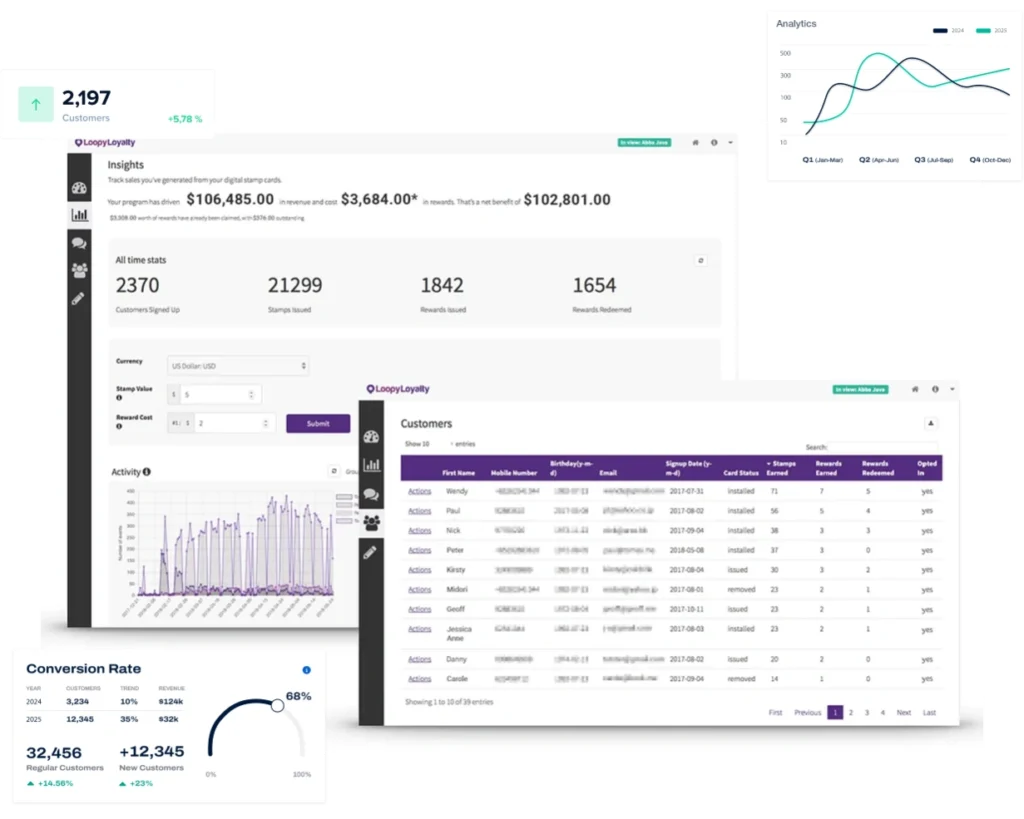
At a certain stage, loyalty is not just about giving out rewards. A cafe may also want to understand repeat visits, customer behavior, purchase frequency, and reward progress.
If those insights matter, connecting loyalty more closely to transaction data can make the program easier to run and improve over time.
You Want a Smoother Redemption Process
Reward redemption should not slow down service. Staff should be able to confirm eligibility, apply the reward correctly, and move on without creating confusion at the counter.
If redemptions currently feel clunky or overly manual, that is a strong sign the cafe may benefit from a POS-linked approach.
A Cafe Needs POS-Linked Loyalty When Manual Loyalty Stops Scaling
The simplest way to judge it is this: if loyalty now affects speed, staff consistency, order tracking, or redemption at the counter, a more connected setup is easier to justify.
At that point, POS-linked loyalty stops being a nice extra and starts becoming the more practical way to run the program.
What Makes a Loyalty Program Cost-Effective for Cafes?
A cost-effective loyalty program for a cafe is not just the cheapest one. It is the one that fits the business, keeps running costs under control, and does not create extra work for staff.
That means looking at more than the monthly price. Setup time, staff training, hardware needs, scanning steps, automation costs, and customer ease of use all affect the real cost. If a program is cheap to buy but awkward to run, it is not truly cost-effective.
For most cafes, the best value comes from a loyalty setup that is simple to manage, easy for customers to use, flexible enough to grow with the business, and not overloaded with features the cafe does not need.
Which POS-Linked Loyalty Setup Is Best for Independent Cafes on a Budget?
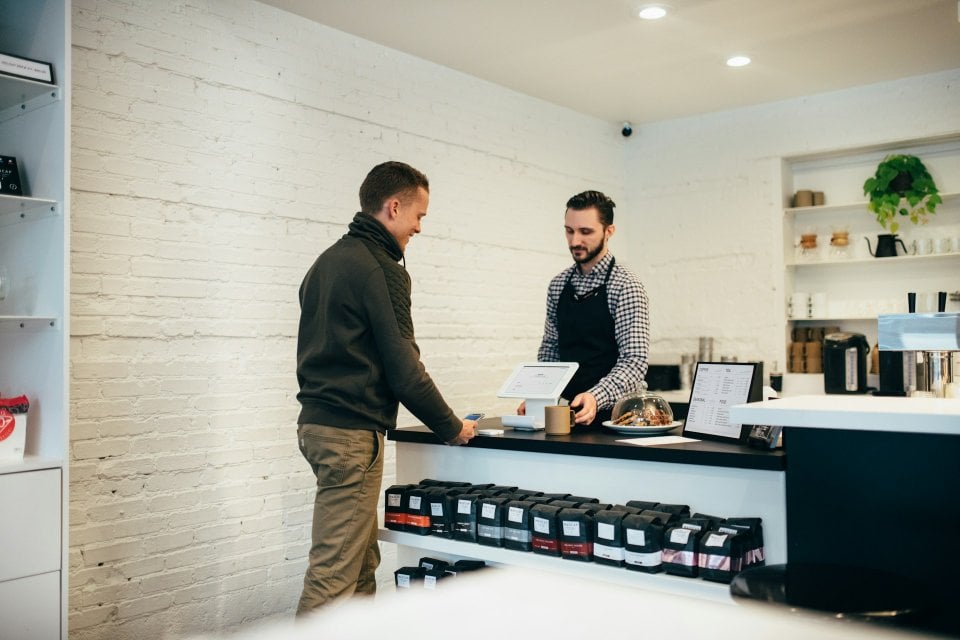
For most independent cafes, the best setup is the one that keeps costs down without making daily operations harder.
If simplicity matters most, native POS loyalty may work well. Everything sits in one system, which can make it easier for staff to use. The trade-off is higher cost and less flexibility.
If affordability and flexibility matter more, a digital loyalty platform linked to the POS is often the better fit. For many cafes, that means:
- lower cost than a larger all-in-one setup
- more flexibility than being tied to one POS system
- loyalty linked to real orders and customer activity
- a practical way to run digital stamp cards
This is where Loopy Loyalty can fit well, especially for cafes that want digital stamp cards linked to POS workflows through Square, Zapier, Make, or the API.
If the cafe needs more custom logic, an API-based setup may make sense. It offers more control, but it also takes more technical work.
For most independent cafes on a budget, a digital loyalty platform linked to the POS is usually the best fit. It covers the essentials without adding unnecessary complexity.
How a Cost-Effective POS-Linked Cafe Loyalty Setup Can Work
A cost-effective POS-linked cafe loyalty setup should fit into the normal checkout flow, not sit beside it.
The aim is to keep the existing POS, connect loyalty to real transactions, and update the customer’s digital card without adding unnecessary work for staff.
1. The Customer Joins the Loyalty Program
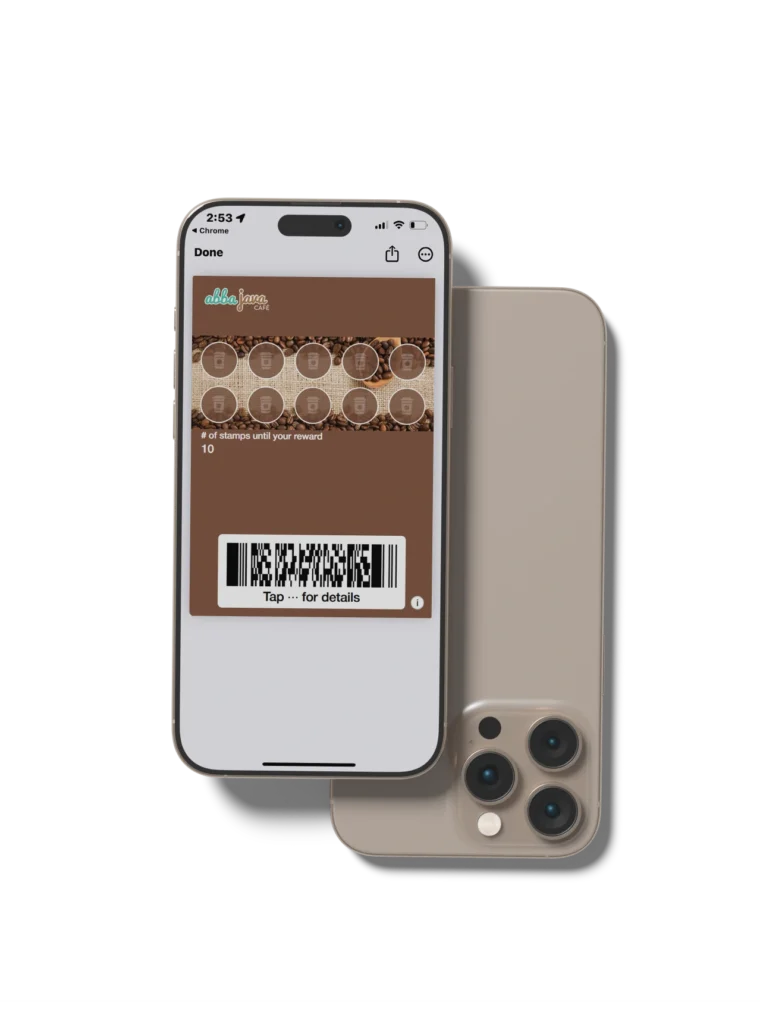
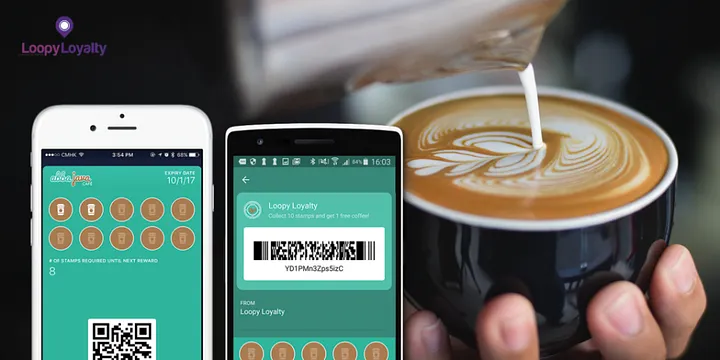
The customer signs up for the cafe’s loyalty program and saves the digital card to Apple Wallet or Google Wallet. This gives the cafe a simple digital format without needing a separate app.
2. The Loyalty Card Is Matched to the Customer
Once the customer joins, the loyalty card is linked to the customer record. This makes it possible to connect the right card to the right transaction.
3. The Order Is Completed in the POS
Staff continue using the POS as normal. The sale is processed through the cafe’s existing checkout workflow.
4. A Loyalty Action Is Triggered After the Sale
Once the order is completed, the loyalty setup triggers the next step. Depending on the setup, this can happen through automation tools or through the API.
5. Stamps or Rewards Are Updated
The customer’s loyalty card is then updated based on the cafe’s rules. That may mean adding a stamp, moving the customer closer to a reward, or triggering the next loyalty action.
6. The Updated Card Appears in Apple Wallet or Google Wallet
The customer sees the updated card on their phone, which makes loyalty progress easy to follow without staff needing to check it manually.
For many cafes, this is the simplest way to link loyalty to real orders without paying for a bigger system than they need.
Mistakes Cafes Make When Choosing POS-Linked Loyalty
A lot of cafes do not choose the wrong loyalty setup because the idea is bad. They choose the wrong one because they buy for features, price, or promises instead of how the system will work during a real shift.
Here are the mistakes that cause the most problems.
Paying for a Full Restaurant Suite When They Only Need Simple Loyalty
Some cafes end up with a bigger system than they actually need. If the goal is simply to link loyalty to checkout and keep rewards easy to manage, a full restaurant suite can add cost without adding much value.
Choosing a Setup That Does Not Fit Existing Workflows
A loyalty program should work with the way the cafe already takes orders and serves customers. If staff have to work around the system instead of through it, the setup becomes harder to use almost immediately.
Making the Reward Structure Too Complicated
If staff need to stop and think through the rules, the structure is already too complex. Cafes usually get better results from rewards that are easy to explain, easy to track, and easy to redeem.
Ignoring Staff Usability at the Counter
A setup can look good in a demo and still fail during a busy shift. If staff cannot use it quickly and confidently, loyalty becomes inconsistent and customers start to notice.
Focusing Only on the Monthly Price
The monthly fee is only part of the cost. Setup time, training, hardware, and any paid automation tools all affect what the cafe actually ends up paying to run the program.
Not Checking How Customer Data Will Sync
A cafe should know exactly how customer records, transactions, and loyalty activity connect before choosing a setup. If that link is weak or messy, it becomes much harder to track progress, apply rewards properly, or run loyalty with confidence.
Choosing for Today and Forgetting What Happens Next
A setup may look fine for one location with a small team, then start to strain as volume grows. Cafes should choose a loyalty model that can still work when the business gets busier, not just when it is easiest to manage now.
The best choice is usually the one that staff can run easily, customers can understand quickly, and the business can afford without paying for complexity it does not need.
Questions to Ask Before Choosing a POS-Linked Loyalty Program for Your Cafe
Before choosing a POS-linked loyalty program, a cafe should ask a small set of practical questions.
The goal is not to find the platform with the longest feature list. It is to find the setup that fits the current POS, works during busy service, and does not create more manual work than it removes.
Does It Work With Our Current POS?
A loyalty setup should fit the POS the cafe already relies on. If the connection is weak, awkward, or limited, the loyalty process will be harder to run from the start.
Can Staff Use It Quickly During Busy Service?
If staff cannot use the loyalty flow in seconds, it will struggle during a real shift. A setup has to work at the speed of service, not just in a product demo.
Can It Support Digital Stamp Cards or Wallet-Based Rewards?
Many cafes do not need a complex rewards engine. They need a simple way to issue digital stamp cards and let customers track progress in Apple Wallet or Google Wallet.
Can Stamps Be Automated After Checkout?
This is one of the most useful questions to ask. If stamps or rewards can be triggered after a completed order, the setup becomes easier to run consistently and with less staff effort.
What Extra Tools Are Needed?
Some loyalty setups depend on extra software, automation tools, or added hardware. A cafe should know what else is required before judging whether the option is truly affordable.
How Much Manual Work Is Still Involved?
Even a POS-linked setup may still rely on staff to handle parts of the process manually. It is worth knowing exactly where the manual work sits before choosing a system.
Can It Grow With the Business?
A setup that works for one cafe should not become a problem as volume increases or new locations are added. It makes more sense to choose something that can grow without forcing a complete change later.
A cafe does not need every possible feature. It needs clear answers to the questions above. If the setup works with the current POS, keeps manual work low, and supports the right reward format, it is much more likely to be the right fit.