

Fashion loyalty programs help boutiques and clothing stores bring shoppers back without relying on constant discounts. Instead of cutting prices for everyone, they can reward repeat purchases, birthdays, referrals, private sale access and VIP perks.
Fashion shoppers do not buy on a fixed schedule. They return for new arrivals, seasonal pieces, gifts and accessories. This guide shares fashion loyalty program ideas you can copy, with practical examples and mistakes to avoid.
What Is A Fashion Loyalty Program?
A fashion loyalty program is a customer retention strategy that rewards shoppers for repeat purchases. Clothing stores, boutiques, shoe stores and accessory stores use loyalty cards, stamps or perks to encourage customers to buy again after their first visit.
For fashion retailers, the goal is to keep the customer relationship alive between purchases. Shoppers might earn stamps after each purchase, collect rewards over time or receive perks for staying loyal to the store.
How Fashion Loyalty Programs Work For Clothing Stores And Boutiques
A fashion loyalty program works best when the earning rule is easy for shoppers and staff to understand. The customer joins the program, earns a stamp or reward after buying, and comes back later to redeem it on a future purchase.
- The customer joins the loyalty program in store, online or at checkout.
- Staff add a stamp or reward after the purchase.
- The customer sees their progress before the next visit.
- Staff apply the reward at checkout when the customer qualifies.
For a clothing store, that could mean one stamp after every qualifying purchase. For a boutique, it could mean a reward after five purchases or access to a private sale once the customer reaches a set level. The rule should be simple enough that staff can explain it in one sentence.
Why Fashion Stores Need Loyalty Programs For Customer Retention
Fashion stores need loyalty programs because customer demand changes with seasons, events and trends. A strong week during a collection launch can be followed by a quiet stretch, especially for boutiques that depend on local shoppers rather than daily foot traffic.
Fashion shoppers also have plenty of distractions. They might like your store, but they are still seeing new outfits, offers and brands every time they open Instagram or walk through town. A loyalty program keeps your store in the customer’s mind after the first sale, which helps turn casual buyers into regulars.
Markdowns can move stock, but they can also train shoppers to wait. Loyalty rewards give fashion retailers another way to protect margins while still giving repeat customers a reason to stay engaged. That is why customer retention matters more than chasing a fresh audience every time sales slow down.
Fashion Loyalty Program Ideas That Work For Boutiques And Stores
The strongest reward ideas are easy to run during a normal sale. Staff should not need to calculate rewards, explain complicated tiers or slow down the checkout. For most fashion stores, the best setup is a simple reward customers can understand straight away.
1. Visit Based Stamp Cards
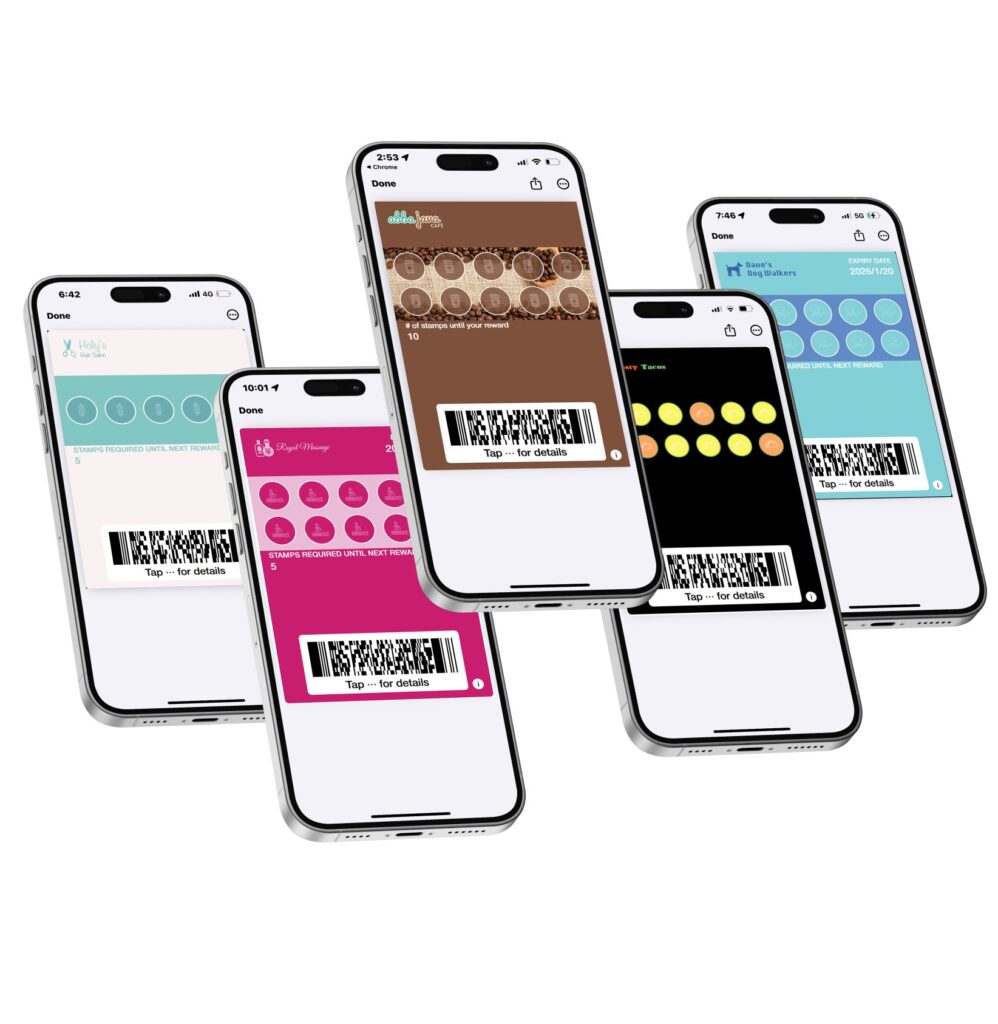
Visit based stamp cards are the easiest option for boutiques and clothing stores. The customer gets one stamp each time they make a qualifying purchase, then receives a reward after a set number of visits.
A simple rule could be: buy from the store five times and receive $10 off, a small gift or a free accessory. This works because staff only need to check that a purchase happened and add one stamp.
2. Birthday Rewards
Birthday rewards give stores a personal reason to contact customers during a month when they may already be shopping for themselves. The offer should feel like a thank you, not a public markdown.
A boutique could offer a small accessory, store credit or a birthday-only perk. The reward does not need to be large. It just needs to feel personal enough to make the customer visit again.
3. Early Access And Private Sale Rewards
Early access works well for stores with limited stock, seasonal collections or pieces that regular customers care about seeing first. The reward is access, not a bigger discount.
A store could invite loyalty members to shop new arrivals before they are posted on Instagram or added to the public sale rack. This gives loyal shoppers a reason to pay attention without lowering prices for everyone.
4. Double Stamp Days
Double stamp days work best when the store needs more activity at a specific time. Use them on slower weekdays, after a busy launch period or near the end of a season.
The rule should stay limited. If double stamps happen every week, customers start treating them as normal. Used carefully, they create urgency without turning the whole store into a sale event.
5. Referral Rewards
Referral rewards fit fashion because customers often recommend clothes, shoes and accessories in normal conversation. A good program turns that word of mouth into a clear reward.
The cleanest rule is simple: when a new customer makes their first purchase, the existing customer earns a stamp or small perk. This rewards advocacy without making the program feel complicated.
Boutique Loyalty Program Ideas For Small Fashion Stores

A boutique loyalty program should reflect how smaller fashion stores actually sell. Customers often come back because they trust the owner’s taste, like the service or feel known by the staff, so the rewards should support that personal relationship.
Rewards For Styling Appointments
Styling appointments are a natural loyalty moment because they involve more time, advice and attention than a normal sale. A customer who books a fitting, wardrobe refresh or personal shopping session can earn a stamp after the appointment.
This works when the boutique wants customers to see the store as a place for guidance, not just a place to buy clothes. The reward sits behind the service, so it supports the experience without making it feel transactional.
Rewards For Accessories And Add Ons
Accessories are useful for loyalty because customers can buy them between larger clothing purchases. Bags, belts, scarves, jewelry, socks and care products give the store more chances to keep regular shoppers active.
A boutique could give a stamp when a customer adds an accessory to a purchase or buys from a smaller product category. This helps increase basket size without pushing every customer toward a higher clothing spend.
VIP Rewards For Local Regulars
Local regulars often keep a boutique steady when foot traffic slows. A VIP reward can recognize those shoppers with a reserved fitting slot, a handwritten thank you card, a small seasonal gift or a personal invite to view selected pieces.
This works because boutique customers often value recognition as much as the reward itself. A simple VIP card gives the store a way to treat regulars differently without making the program hard to manage.
How To Create A Fashion Loyalty Program For Boutiques And Clothing Stores
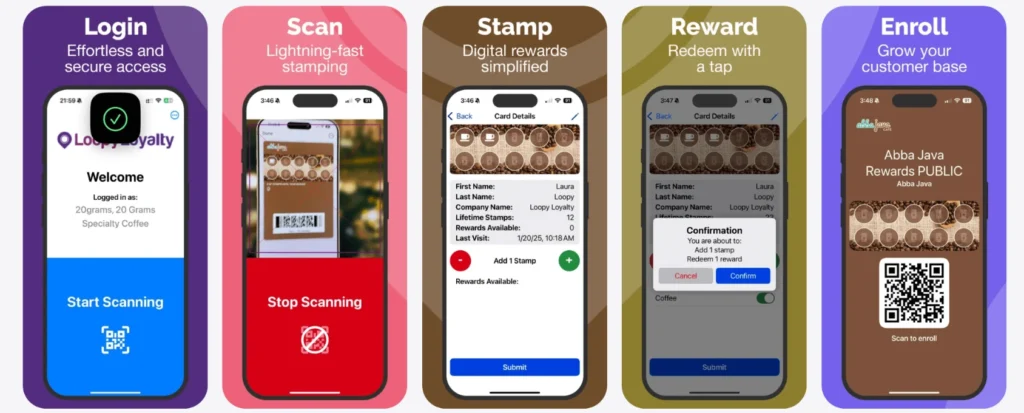
Creating a fashion loyalty program starts with removing guesswork before customers reach the till.
Decide what qualifies, what the shopper receives, who applies the reward, and how the team explains it before the first card is issued. With a digital stamp card tool like Loopy Loyalty, the store can turn that rule into a loyalty card customers keep on their phone.
Before launch, write down:
- The action that earns credit
- The minimum purchase rule
- The reward customers can claim
- The staff member responsible for applying it
- The places where the program will be promoted
Choose One Customer Action To Reward
Pick the action that best supports the store’s current sales goal. A new program should not launch with separate rules for purchases, appointments, referrals and special events because staff will struggle to remember them during a busy day.
Most fashion retailers should start with a qualifying purchase. It is easy to verify, it connects the reward to revenue and gives the team a clean rule to apply every time. Extra earning actions can come later if customers are using the program.
Set A Minimum Purchase Rule
A minimum purchase rule protects the store from giving rewards away too quickly. It also prevents awkward judgement calls at the till because staff know exactly when a sale qualifies.
Set the threshold around the store’s usual basket size. A boutique selling higher-priced pieces will need a different rule from a shop selling lower-cost accessories. The right number should feel reachable to customers while still making sense for the margin.
Pick A Reward The Store Can Repeat
The best reward is one the customer wants and the store can afford more than once. Avoid rewards that only work during a strong sales week, because loyal customers should not become a cost problem when several people redeem at the same time.
Fixed rewards are usually safer than large percentage discounts. Store credit, a selected accessory, a styling add-on or access to a limited event can all work when the cost is clear before launch.
Write The Staff Script And Launch Message
Staff need one sentence they can use with every shopper. The message should explain what the customer earns and when they can use it, without turning checkout into a long explanation.
Use the same message across the store’s main customer touchpoints. Put it near the till, mention it in email, post it on Instagram and add it to receipts or packaging inserts. Customers are more likely to join when the benefit looks consistent everywhere they see it.
Review The Program After The First Month

The first month should show whether the rule is too generous, too slow or too hard to run. Look at how many customers joined, how often staff offered the program and whether shoppers understood the reward without extra explanation.
Make one change at a time. If the minimum spend is too high, lower it. If the reward is claimed too quickly, adjust the qualifying rule. A clean first version is easier to improve than a program full of exceptions.
Why Digital Stamp Cards Work Well For Fashion Stores
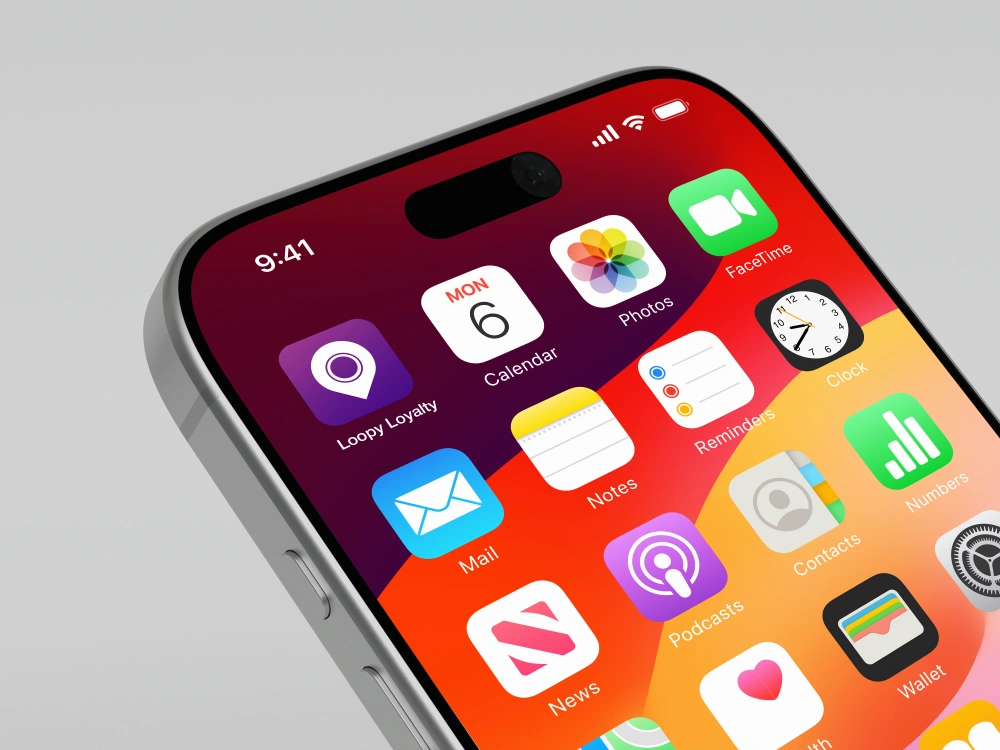
Paper cards are easy to lose between shopping trips. A digital loyalty card keeps the card on the customer’s phone, which makes more sense for fashion stores where people may come back weeks later, not tomorrow.
With Loopy Loyalty, stores can create digital stamp cards customers save to Apple Wallet or Google Wallet. Staff can issue stamps through the Stamper App or Web App, and the store can track activity without managing paper cards.
Customers Keep The Card In Apple Wallet Or Google Wallet

A digital card lives in the wallet app already on the customer’s phone. They do not need to carry a paper card, remember where they put it or ask staff for a replacement.
For fashion shoppers, that matters. They may change bags, wallets and routines between visits, but their phone is usually with them.
Staff Stamp The Card At Checkout
Digital stamping keeps the staff task simple. After a qualifying purchase, staff add the stamp without stickers, handwriting or lost-card issues.
That helps boutiques and clothing stores keep checkout moving while the team is already handling sizes, packaging, returns and customer questions.
Stores Send New Arrival And Offer Updates

Digital loyalty cards can keep working after the customer leaves the store. Fashion stores can use these updates for new collections, birthday perks, private shopping reminders or short store announcements.
The key is restraint. A good update should feel useful, not like another noisy promotion.
Stores Track Stamps And Reward Redemptions

Analytics help stores see whether the program is being used. Instead of relying on staff memory, the store can review stamp activity and reward redemptions.
That makes it easier to judge whether customers are engaging with the card, whether the reward is worth keeping and whether the program needs a small adjustment.
Fashion Loyalty Program Mistakes That Hurt Customer Retention
A fashion loyalty program can look good on paper and still fail in store if the rules work against how customers shop. The biggest problems usually come from rewards that cut too deep, take too long to earn or disappear from the team’s daily routine.
Giving Away Too Much Discount
Fashion stores should be careful with rewards that reduce every future order by a large percentage. If the reward feels too close to a sale, customers may start seeing the program as another way to pay less rather than a reason to stay connected to the store.
Perks with a controlled cost are usually safer. A fixed credit, selected gift, styling extra or limited access reward gives the customer a reason to care without weakening the value of full-price products.
Making Rewards Too Hard To Earn
A loyalty program loses momentum when customers cannot tell whether they are getting close to a reward. If the target feels too far away, the card becomes easy to ignore.
Fashion stores should choose a rule that gives customers visible progress within a few purchases. The reward does not need to be huge, but the path to earning it should feel realistic from the first stamp.
Letting The Program Go Quiet
A loyalty program should stay part of the selling routine after launch. If staff stop mentioning it, customers will stop joining and existing members will forget to use it.
Keep it alive with a simple weekly check:
- Ask whether staff are still offering the card at checkout.
- Check whether cards are being stamped.
- Mention the program in one customer channel.
- Remove any rule staff keep having to explain twice.
A fashion loyalty program works when customers understand it, staff use it and the store keeps it visible after launch. Keep the rules simple, make the reward worth earning and choose a system your team can run every day.