


A lot of coffee shops struggle with getting ROI out of their marketing campaigns for a single reason: they don’t completely understand their customers.
Consider the typical branding of most boutique coffee shops — how hard does it skew towards the hip, 20-something audience? Well, what if your ideal customer in the region is older working collar parents?
Well, you’d never figure that out — because your brand is isolating all but a specific cohort of the market. You’re using general market averages to determine your day-to-day distribution channels, which is horribly sub-optimal.

It’s true, young adults represent the most enthusiastic coffee drinkers, but they represent only a small slice of the market. The rest of the demographics combined still represent the lions share, but often find themselves having to resort to the big chains because the boutique coffee shops are simply unwelcoming.
Ultimately, this issue relies on a single point: a fundamental misunderstanding of a coffee shop’s ideal customers. This article will outline a simple strategy to form a much deeper understanding of your customers — and ultimately, drive marketing ROI significantly.
How do you determine your ideal customer types?
“Personas” are crucial in coffee shop marketing. A persona is an essential “average” representation of your ideal customers — for example, “Jenny, a 26-year-old junior accountant who spends most of her day sitting at her office.”
The steps to isolating your ideal customers are as follows: look at your current customers, break them down into different “personas” and then figure out which personas make up your most loyal customers.
In an offline coffee shop setting, however, this is easier said than done. After all, customers don’t just walk in with their entire profile written on their shirt and a price tag of their expected lifetime value.
There are a few ways you can generate this information. One option is a satisfaction survey at the end of a purchase, where you collect demographic information and track against future process. The other is running different marketing campaigns focusing on different personas — if you keep the basic variables and costs the same, your ROI should give you some understanding of the different values.
These ideas range from cumbersome to expensive, and often won’t provide salient enough data to know for sure. So what’s the best option?
Loyalty Programs
Perhaps the best option, however, is a loyalty program. Programs like Loopy Loyalty enable coffee shop owners to track their customers from the point of purchase, and programmatically watch their customers throughout their lifetimes. Loyalty programs also come built-in with various messaging and location-based marketing to easily figure out which segments of your customers are connecting with your brand.
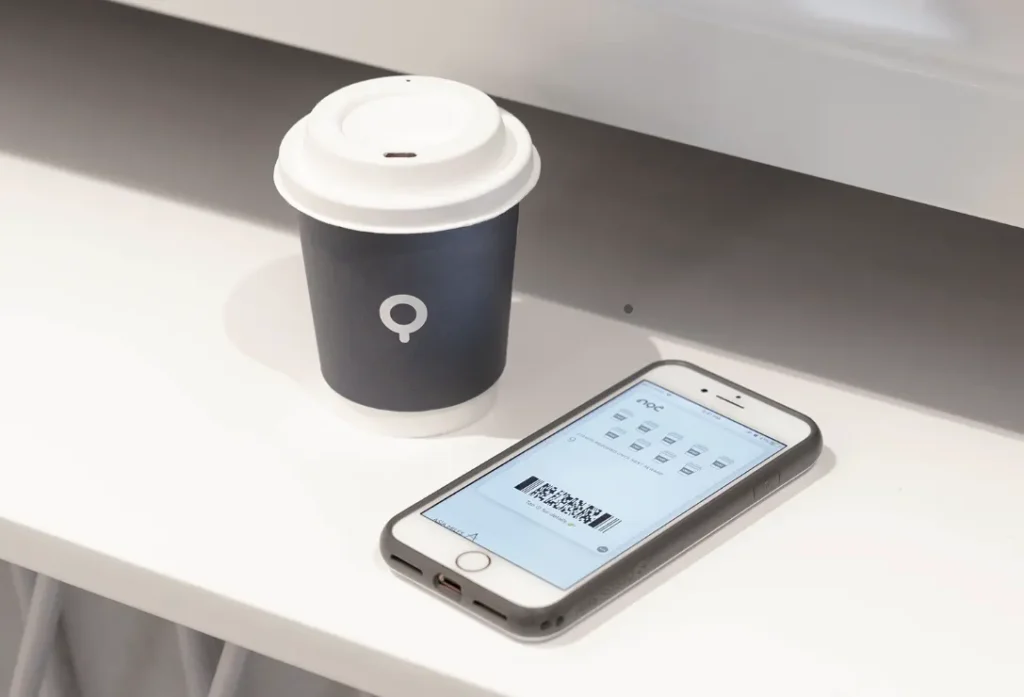
Consider the following testimonial of NOC Coffee, who uses Loopy Loyalty in Hong Kong in a strategy to properly understand its customer base:
NOC has 6 coffee shops across HK and wanted to gain better insights from the loyalty card program we were running. Within a couple of months, we have a clearer picture of how many new vs regular customers we have, how often the later are coming and who our super users are.
You’ve probably read the study about how returning customers are 10x cheaper than new ones, so we aren’t going to bother linking it for the millionth time — but the point still stands. Fundamentally, a Loyalty Program will answer a single, essential question: which of your customer types come back the most?
Doubling Down on Loyalty
At the end of the day, the best customers are the loyal ones — the ones for whom you are “their go-to spot”. Those customers will not only bring you predictable revenue, but they’ll also bring you word of mouth and grow your acquisition side. Loyalty programs offer you the best chance to properly segment your most loyal customers — after that, it’s just a question of adjusting your messaging, marketing & brand voice to cater to that audience.
Your best customers are walking out the door feeling alienated because you’re spending too much time focusing on a generic shadow audience. Invest in a loyalty program — not just to drive expansion revenue, but to truly understand your customers in a way you never have before.