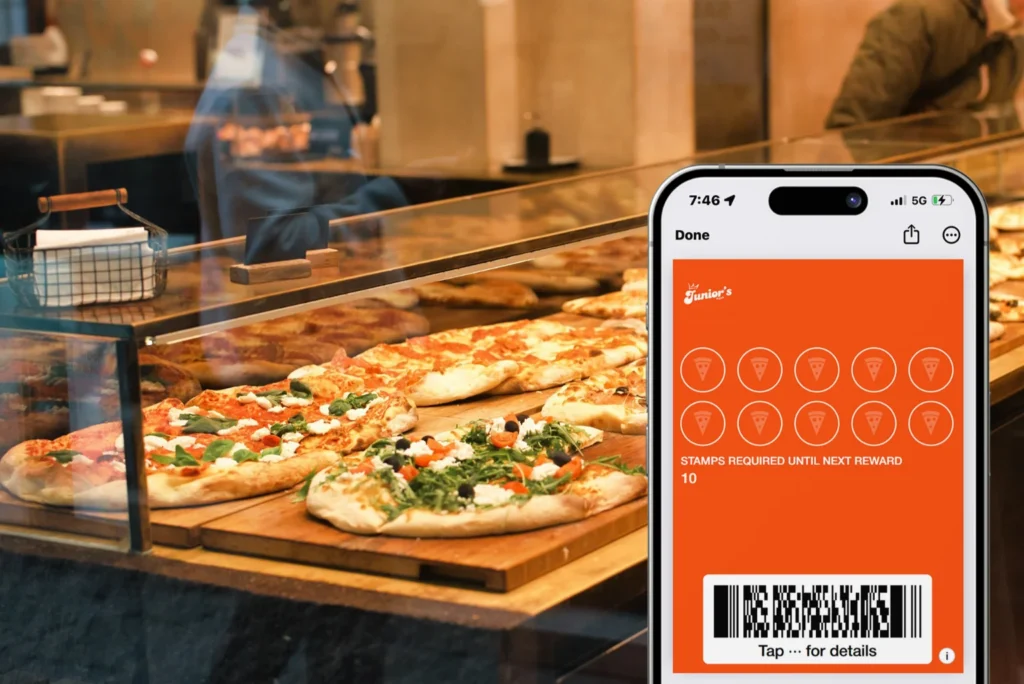

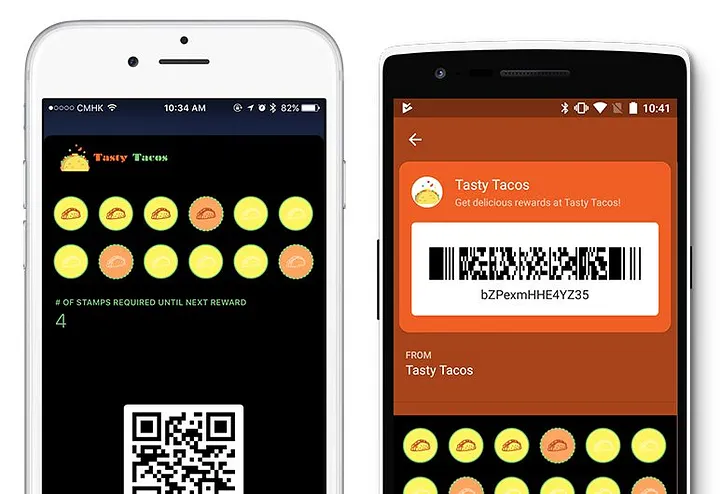
Custom punch cards offer a tangible way to reward customers and encourage repeat business. They might seem outdated, but they are making a comeback.
A custom loyalty card can help your business stand out and create a personal connection with customers. They work well for coffee shops, bakeries, salons, and other companies with frequent, low-cost purchases.
This guide will show you how to create effective customer loyalty cards for your business. You’ll learn about the benefits of using digital punch cards, steps to design them with Loopy Loyalty, and tips to make them more appealing.
We’ll also cover common mistakes to avoid when implementing a punch card loyalty program. By the end, you’ll have the know-how to prepare a loyalty program that makes customers recommend your business.
What are custom punch cards?
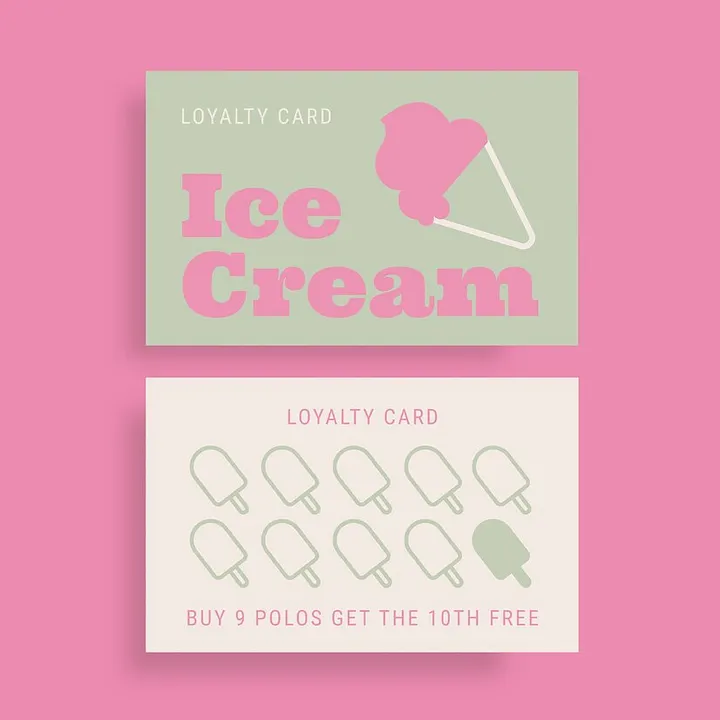
Custom punch cards are digital marketing tools businesses use to reward customer loyalty. Each time a customer makes a qualifying purchase, they receive a hole punch or stamp on their card. It serves as a visual reminder of their progress toward a reward.
Once a customer fills their punch card — typically by accumulating a certain number of punches or stamps — they earn a reward. It could be anything from a free item, like a coffee or pastry, to a discount on their next purchase.
Custom punch cards history
Loyalty punch cards have been around for decades. They started as simple paper cards in local shops. As technology advanced, businesses began using digital versions.
Today, many companies use a mix of physical and electronic punch cards.
Loyalty business cards now come in various designs. You can choose loyalty card templates, colors, logos, and layouts that match your brand. It helps make your business more memorable to customers.
Types of custom punch cards
There are several types of custom punch cards:
- Traditional paper cards: Small, wallet-sized cards with spaces to punch or stamp
- Digital punch cards: Virtual versions customers access through apps, digital wallets or websites
- Personalized punch cards: Feature customer names or photos for a personal touch
- Tiered cards: Offer different levels of rewards based on customer spending
By providing a straightforward system for tracking loyalty, you reward customers and create a sense of community and connection with your brand.
Benefits of custom loyalty cards
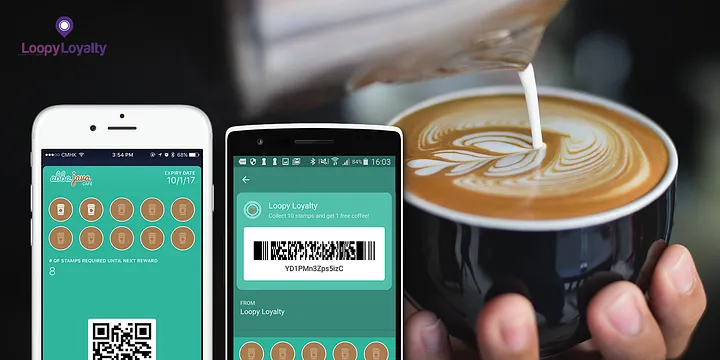
Virtual punch cards are beneficial. They’re easy for customers to keep track of and don’t take up space in wallets. You can send reminders and updates directly to customers’ phones.
Loyalty punch cards provide valuable data about customer behavior. You can see what products are popular and when customers shop most often. It helps you make better business decisions.
Here are some key benefits:
- Increased customer retention
- Higher sales and revenue
- Better understanding of customer preferences
- Ability to offer personalized rewards
Custom loyalty cards also help your brand stand out. You can design them to match your business style and logo. It creates a more professional image and helps customers remember you.
Rewards from punch cards for businesses make customers feel valued. They’re more likely to choose your business over competitors. Even small rewards can have a big impact on customer satisfaction.
You can offer different types of rewards:
- Discounts on future purchases
- Free products after a certain number of buys
- Special perks for loyal customers
Loyalty programs also boost word-of-mouth marketing. Happy customers are more likely to recommend your brand to friends and family.
Key steps to create your custom punch cards
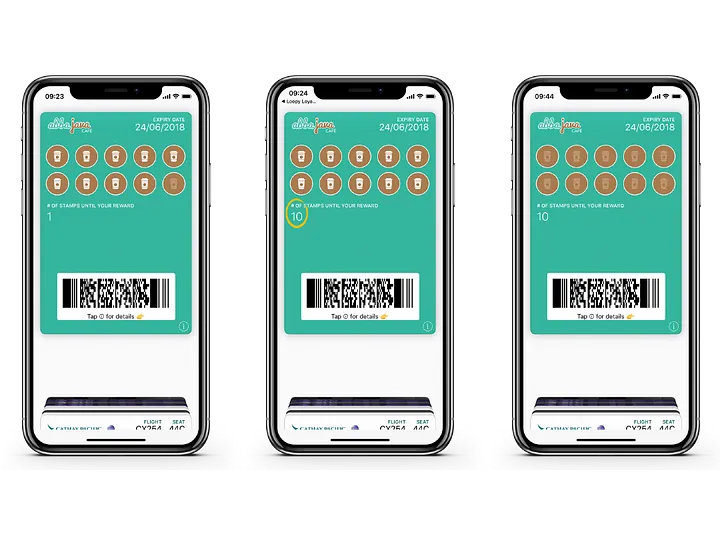
Here’s a straightforward guide to help you set up an effective punch card program.
Identify your goals
Start by setting clear objectives for your punch card program. Think about what you want to achieve. Do you want to boost repeat visits? Increase average purchase amounts? Define your goals to guide your strategy.
Design your punch cards
Design an attractive card layout that represents your brand. Select colors, fonts, and images that complement your business’s aesthetic. Make sure the card layout is easy to understand and use.
Select rewards and incentives
Pick rewards that excite your customers and fit your business. Consider offering:
- Free products
- Discounts on future purchases
- Exclusive access to events or services
Balance the value of rewards with your profit margins. Make sure the incentives are attractive enough to encourage repeat visits.
Distribute the punch cards
Plan how you’ll give out your cards. Some options include:
- Handing them out at the point of sale
- Mailing them to existing customers
- Offering them through your website or app
Train your staff on the program details so they can explain it to customers. Loyalty punch cards can create a strong bond between your business and loyal customers when used effectively.
How to design custom punch cards with Loopy Loyalty
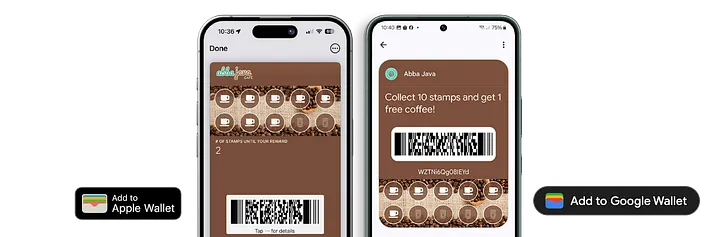
Loopy Loyalty offers a digital punch card system that helps you create, manage and distribute customer loyalty punch cards for mobile wallets.
The platform allows brands to go paperless and interact with customers through their smartphones without requiring them to download any additional apps.
You can track program performance, analyze customer behavior, and optimize campaigns to boost results.
Start a free trial now.
Create a new card
Start by selecting a ready-made template or opt for a blank canvas. It will direct you to the Card Design view.
Design your card
In the Design tab, scroll down and follow the steps to create your digital card. You can use the provided icons and logos or upload your own. Ensure your icon is square (87×87 pixels) and your logo is 480 pixels wide by 150 pixels high, preferably with a transparent background.
Decide whether you want a single reward or multiple rewards. Upload images and select the number of stamps needed to earn rewards.
Add details
Fill in all necessary fields regarding your loyalty card. The phone image will update to reflect how it appears on customer devices. After each stamp, you can also set up success messages on customer lock screens.
Set an expiration date for the card and add links to your website, social media, or contact information.
Add locations
Input your business location and specify what message will appear on customers’ lock screens when they are nearby. You can toggle this feature on or off.
Terms and conditions
Use the pre-populated sample text as a starting point for your terms and conditions. You can modify this text or link to your terms on your website.
Data collection
Decide what customer data you want to collect during registration. You can set fields as mandatory or optional and enable unique customer enrollments to prevent duplicate sign-ups.
Save and preview
Name your card design (this name is not visible to customers) and preview it on a smartphone. You can send an SMS to yourself or scan a QR code to see how it looks with stamps. Make adjustments as needed before activation.
Activate your card
After you are satisfied with the design and functionality, activate your card. You will receive a QR code and card link for distribution to customers on multiple online and offline channels.
Following these steps, you can effectively create and manage punch cards using Loopy Loyalty, improving customer engagement and loyalty.
Tips for maximizing your custom punch cards
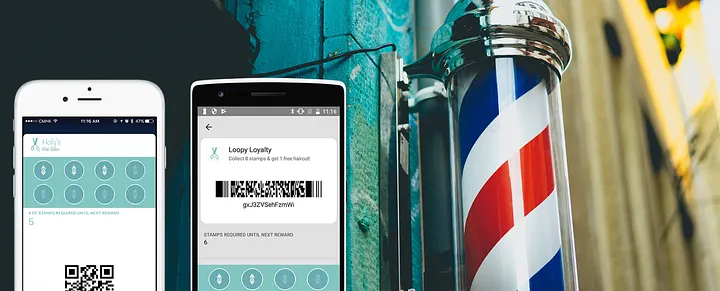
Implementing custom punch cards is just the first step. Consider these expert tips successful businesses use to improve customer engagement and boost loyalty.
Leverage data analytics
Use data analytics to track the effectiveness of your punch card program. For example, Starbucks uses its mobile app to gather data on customer purchases and behaviors.
It allows them to tailor rewards and promotions to individual customers, increasing engagement and satisfaction.
Create a sense of urgency
Encourage quicker redemption of rewards by creating a sense of urgency. For instance, a local café might offer double punches during slow business hours or on specific days of the week.
It drives traffic during off-peak times and creates excitement around the program.
Personalize customer experience
Personalize your punch cards to make customers feel valued. A boutique clothing store could include customer names and purchase history on their digital punch cards, offering personalized discounts on items they frequently buy.
This level of personalization can significantly enhance customer loyalty.
Integrate social media
Integrate your punch card program with social media to increase visibility and engagement. A restaurant might encourage customers to share their punch card progress on Instagram or Facebook for a chance to earn extra punches.
It not only promotes the program but also attracts new customers.
Offer exclusive rewards
Offer exclusive rewards that can’t be found elsewhere to make your punch card program more appealing. For example, a gym might offer a free personal training session or access to a VIP fitness class after a certain number of visits.
Exclusive rewards can make customers feel special and more connected to your brand.
Collaborate with other businesses
Partner with complementary businesses to offer joint rewards. A coffee shop and a bookstore could collaborate so that customers earn punches for purchases at both locations, redeemable for rewards at either business.
This not only enhances the value of the punch card but also expands your customer base.
Promote through multiple channels
Promote your punch card program through various channels to reach a wider audience. Use email newsletters, in-store signage, and social media ads to inform customers about the benefits of the program.
For example, a beauty salon might send out monthly emails highlighting the rewards customers can earn, encouraging them to book more appointments.
Regularly update and refresh the program
Keep the program fresh by regularly updating the rewards and incentives. A fast-food chain might introduce seasonal rewards or limited-time offers to keep customers interested and engaged. Regular updates can prevent the program from becoming stale and maintain customer interest.
By implementing these advanced tips, you can maximize the effectiveness of your custom punch card program, driving customer loyalty and increasing repeat business.
Common mistakes to avoid with custom loyalty cards
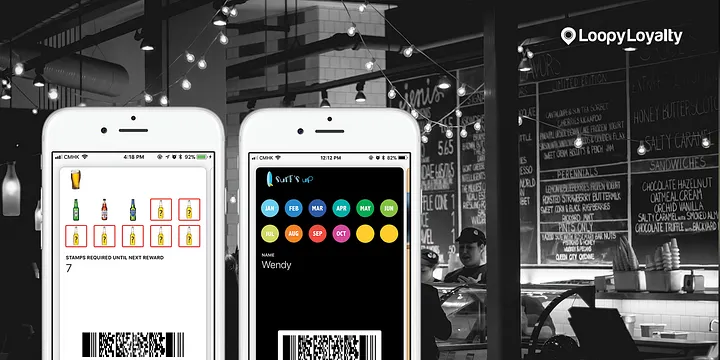
Don’t make your punch card program too complicated. Keep it simple and easy to understand. Complex rules can confuse customers and discourage participation.
Make sure your rewards are valuable. Offering weak incentives won’t motivate customers to return. Choose rewards that excite and benefit your patrons.
Avoid long waits between punches. If it takes months to earn a reward, customers may lose interest. Balance the number of punches needed with the value of the reward.
Don’t forget to train your staff. Ensure all employees know how to use and explain the punch card system. Consistent application is key.
Keep track of your program’s performance. Many businesses fail to measure results. Use data to adjust and improve your loyalty strategy over time.
Be careful with expiration dates. Short expiration periods can frustrate customers. Consider making your punch cards valid for at least 6–12 business days.
Avoid using cheap materials. Flimsy cards that tear or fade easily will reflect poorly on your business. Invest in digital cards that last.
Don’t neglect promotion. Make sure customers know about your loyalty program. Advertise it on your business cards, website, and in-store displays.
Remember to personalize. Generic punch cards miss opportunities to connect. Add your brand elements and consider custom designs that reflect your business identity.
Conclusion about custom punch cards
Custom punch cards are a powerful tool for building customer loyalty. They offer a simple way to reward repeat customers and encourage more visits.
These cards can be tailored to fit any business. You can choose the design, rewards, and punch requirements that work best for your customers.
Digital punch cards take this concept further. They offer convenience and data insights that paper cards can’t match. With a digital system, you can track customer behavior and preferences more easily.
Custom punch cards are cost-effective and easy to implement. They can boost customer retention and increase sales without a large investment.
Ready to start your own punch card program? Consider using a platform like Loopy Loyalty. It can help you create and manage digital punch cards with ease.
Don’t miss out on this proven loyalty strategy. Start rewarding your customers today and watch your business grow.
FAQs about custom loyalty cards
How can I make your own punch card?
You can create punch cards easily. Design a simple card with spaces for punches. Add your logo and reward details. Print on sturdy paper or card stock. Use a hole punch to mark purchases. For a digital version, try apps like Loopy Loyalty for mobile wallets.
Does anyone still use punch cards?
Yes, punch cards are still popular. Many small businesses use them. They’re simple and cost-effective. Customers like the tangible reward system. Digital versions are also gaining traction.
What are the disadvantages of a punch card?
Punch cards have some drawbacks:
1. Easy to lose or forget
2. Limited data collection
3. Can be damaged or wear out
4. Potential for fraud (e.g., fake punches)
5. Less flexibility in rewards
Digital punch cards successfully resolve all these problems.
What are the alternatives to punch cards?
You have several options besides traditional punch cards:
1. Digital loyalty apps
2. Points-based systems
3.Tiered rewards programs
4. Stamp cards (similar, but using stamps instead of punches)
5. Custom plastic loyalty cards with magnetic strips or barcodes
These alternatives often offer more features and data tracking capabilities.