
Pizza shops often lose repeat orders because customers have plenty of easy choices when dinner, lunch, or a quick pickup order comes around, even when the food is good.
A pizza loyalty card program gives customers a reason to choose your shop again. It can reward the habits that matter most to a local pizza shop, from lunch slices and weekly family meals to pickup orders, slow-night orders, office lunches, and larger group orders.
The best loyalty cards are easy to explain at the counter, easy for customers to remember, and simple enough for staff to explain without slowing down service.
This guide shares practical pizza loyalty card ideas for pizza shops that want more repeat orders without building a complicated rewards system.
What Is A Pizza Loyalty Card Program?
A pizza loyalty card program rewards customers for repeat purchases at a pizza shop. Customers earn progress toward a reward when they place qualifying orders, such as whole pizzas, lunch combos, pickup orders, family meals, office orders, or party orders.
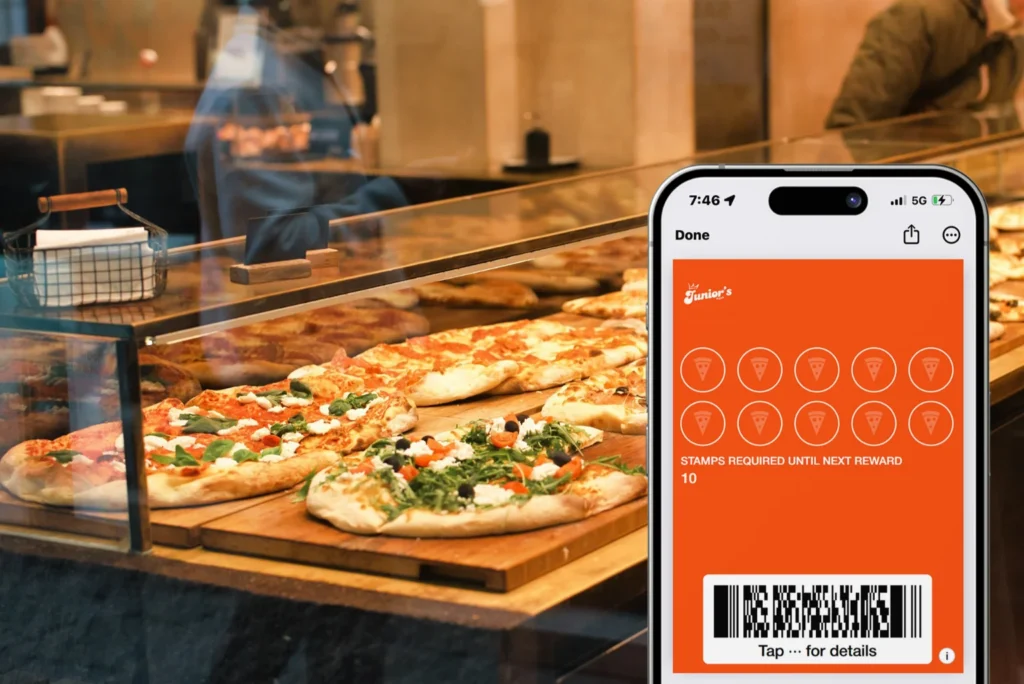
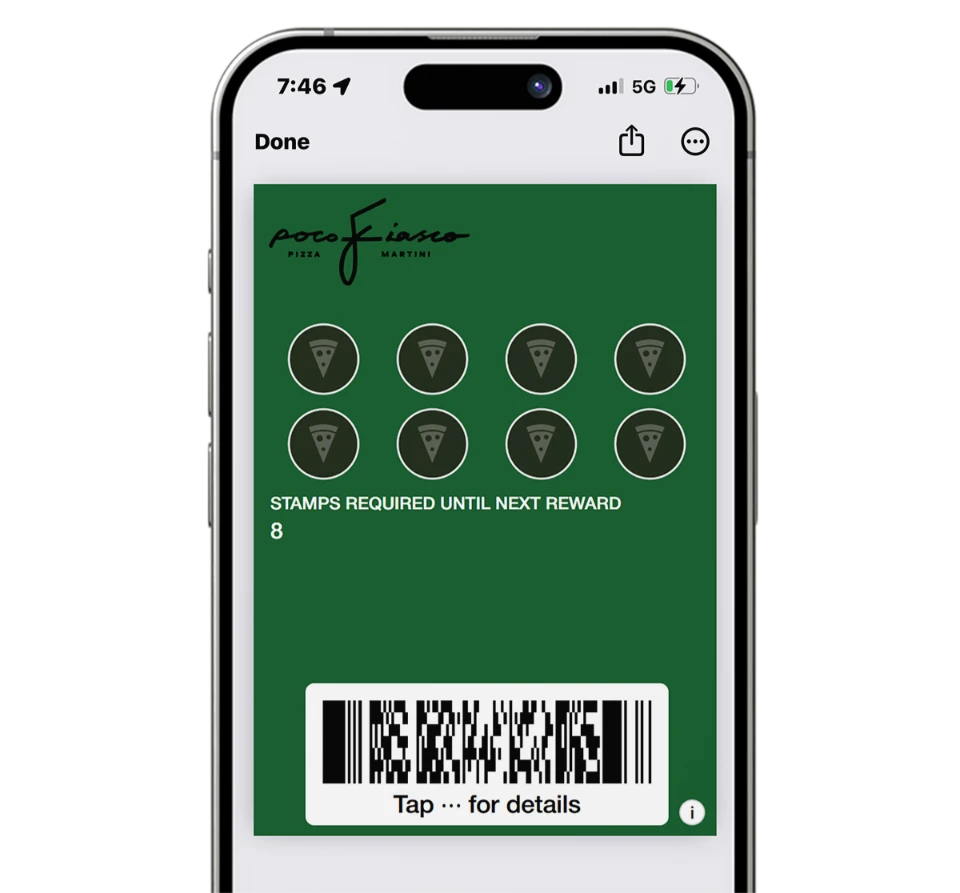
Pizza loyalty programs can use points, punch cards, or digital stamp cards, but stamps are often the easiest model for independent pizza shops because staff can explain the rule quickly. With a stamp card, a customer makes a qualifying purchase, earns a stamp, and gets a reward when the card is full.
The reward might be a free slice, free side, discount on the next direct order, or free pizza after several qualifying purchases. The best programs are easy for staff to explain during a busy shift and easy for customers to remember before their next order.
Benefits Of A Pizza Loyalty Card Program For Pizza Shops
A pizza loyalty card program is most useful when it supports the orders a pizza shop already wants more of, including lunch slices, Friday-night family orders, pickup on the way home, team meals, and weekend takeout.
Increase Repeat Pizza Orders
Pizza shops depend on repeat customers because pizza is already part of many people’s regular eating habits. According to Technomic data cited by PMQ, 83% of consumers eat pizza at least once a month, and 24% eat it more than once a week.
A loyalty card adds visible progress to that behavior. Each qualifying order moves the customer closer to a reward, which helps turn regular pizza orders into a stronger habit. For an independent pizza shop, a regular Friday-night family order or weekday lunch customer can be worth far more than someone who only shows up for a one-time discount.
A good pizza loyalty card rewards the buying rhythm customers already have, instead of pushing them into a complicated program they forget after one visit.
Encourage More Direct Orders
Direct orders keep the customer relationship closer to the shop. When customers order by phone, through the website, at the counter, or for pickup, the shop is easier to remember before the next order.
A loyalty card can support that behavior without making the process hard to explain. If customers earn progress when they order direct, they have a reason to use those routes again instead of treating every order as a fresh search.
Delivery apps can still bring in sales, but a pizza shop still needs customers who remember its own name, menu, phone number, and website. A loyalty card helps pull some of that attention back to the business.
Protect Margins Better Than Constant Discounts
Blanket discounts reduce margin on every order, including orders customers may have placed anyway. Over time, they can train people to wait for the next deal instead of ordering at full price.
A loyalty card changes the timing of the reward. Customers earn the benefit after several repeat purchases, which gives the pizza shop more control over when and why it gives something away.
That matters when food costs, labor, packaging, and delivery costs already put pressure on margins. A free item or discount makes more sense when it follows repeat orders, rather than cutting the value of every order from the start.
Encourage Larger Group And Event Orders
Pizza shops do not only sell to individual customers. They also feed office teams, school groups, sports teams, birthday parties, and families ordering for a larger night in.
A loyalty card can make those larger orders more likely to return. When customers know a group order or party order helps them earn progress toward a reward, they have a reason to choose the same shop for the next lunch meeting, team meal, or weekend event.
This works best when the reward is tied to qualifying orders, not every small purchase. The shop can encourage bigger orders without giving away margin on every slice or drink.
Pizza Loyalty Card Ideas For More Repeat Orders
The best pizza loyalty card ideas start with the order you want customers to repeat. One shop may need more pickup orders, while another wants stronger weekday lunch trade, larger family meals, or more group orders. Pick the behavior first, then build the card around it.
Pickup Order Stamps
Pickup order stamps suit pizza shops that already get takeaway orders but want more customers to collect from the shop. Customers can earn one stamp when they place a qualifying pickup order by phone, through the shop’s website, or at the counter.
This idea fits customers who already know the shop, are happy to collect food on the way home, and can hear about the card while staff hand over the order. Keep the qualifying rule clear, such as one stamp per pickup order above a set order value.
Lunch Slice Card
A lunch slice card works for pizza shops near offices, schools, colleges, hospitals, workshops, garages, or busy local streets. Customers earn stamps when they buy a slice, lunch combo, or qualifying midday order.
Because lunch purchases are usually smaller, this card should be quicker to complete than a whole-pizza card and should help make the shop part of a weekday routine. A worker who stops in once a week for a slice can become a two or three day a week customer when the reward feels close enough to earn.
Family Meal Card
A family meal card rewards larger orders that include pizza, sides, drinks, or desserts. It fits shops that want more evening and weekend orders from local families.
The card should be based on a qualifying meal, rather than every small purchase. For example, a customer might earn a stamp when they order a large pizza with sides and drinks. That keeps the card tied to better basket value and regular habits like Friday-night pizza, school-night dinners, and weekend takeout.
Slow-Night Bonus Stamps
Slow-night bonus stamps help pizza shops bring customers in during quieter periods. The shop can offer extra stamps on Mondays, Tuesdays, rainy nights, or selected lunch hours.
This works because customers still pay the normal price while reaching the reward faster, which gives them a reason to order on slower days without expecting a discount every time. Keep the offer tied to specific times so staff and customers know exactly when bonus stamps apply.
Office Lunch Card
An office lunch card rewards repeat group orders from nearby workplaces, schools, salons, gyms, garages, and local teams. It fits shops that already sell lunch to local workers or want to grow larger midday orders.
The earning rule can be based on group order size, order value, or repeat workplace orders. A QR flyer, box insert, or small card sent with the first order can remind the group to use the same shop next time. This idea is strongest when one person often orders for the whole team.
Party And Catering Order Stamps
Party and catering order stamps work well for pizza shops that handle birthdays, school events, sports teams, office parties, and larger weekend orders. Customers earn a stamp when they place a qualifying large order, such as several pizzas with sides and drinks.
This keeps the loyalty card tied to higher-value purchases rather than small one-off orders. It also gives customers a reason to come back to the same shop when they need pizza for the next group meal, team night, or local event.
Simple Rules To Keep The Card Easy To Run
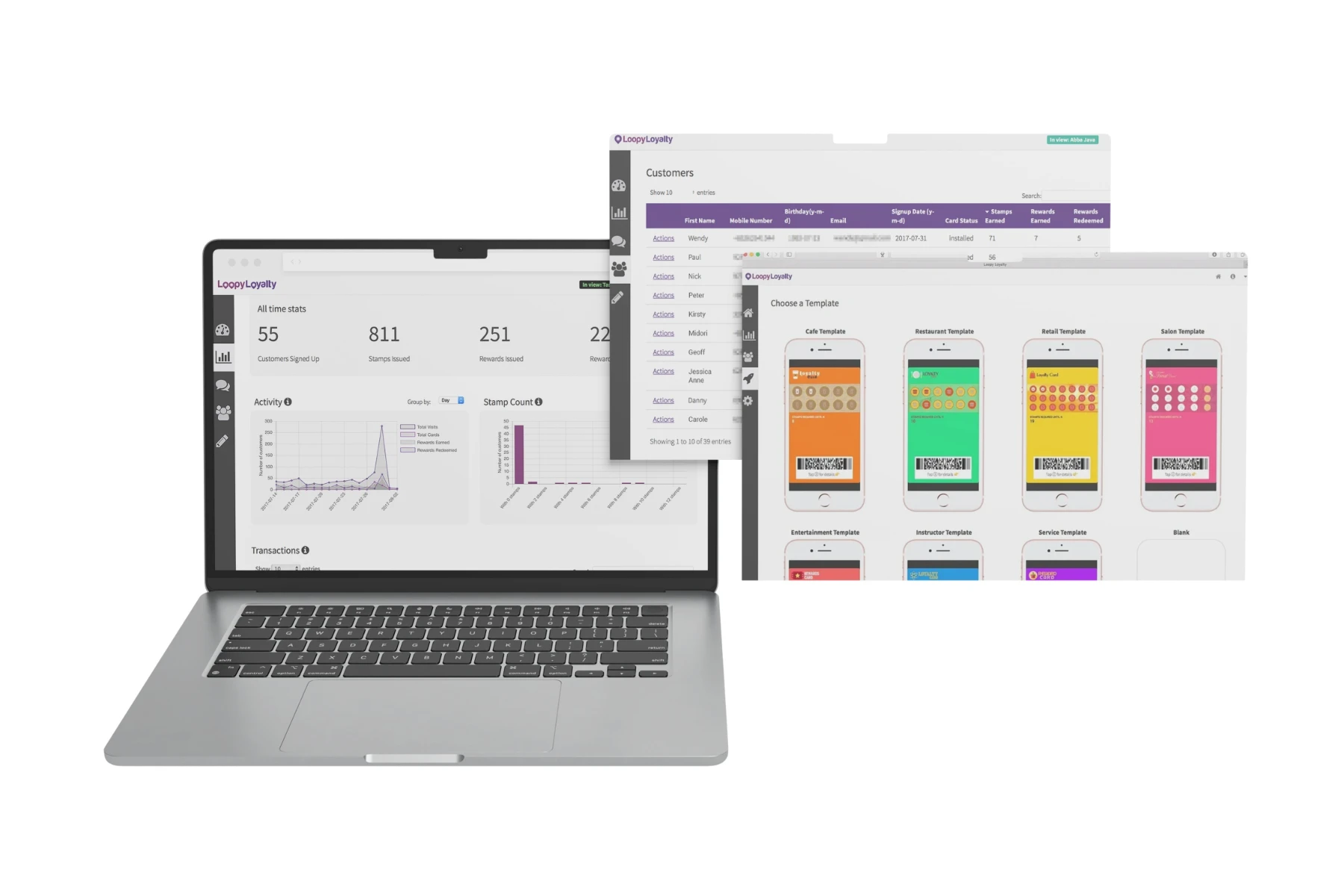
A pizza loyalty card only works when staff and customers understand it quickly, especially during lunch, dinner rush, and pickup windows when the rules need to be clear enough to explain in one sentence.
Use One Clear Earning Rule
Pick one main action that earns a stamp. That might be one qualifying pickup order, one lunch combo, one family meal, or one whole pizza order.
The rule should sound natural at the counter. “Earn one stamp for every pickup order” is easy to remember. “Buy 9 whole pizzas, get the 10th free” is also clear because customers understand the reward straight away.
Avoid mixing too many earning rules on one card. If staff need to explain five exceptions, the card is already too complicated.
Set Qualifying Orders
Decide which orders count before the card goes live. Stamps might apply to whole pizzas, lunch combos, pickup orders, dine-in orders, direct online orders, catering orders, or family meals.
This protects the shop from giving stamps on purchases that are too small to support the reward. A slice, drink, or small side order may not need to count unless the card is built specifically for lunch traffic.
Clear qualifying rules also help staff avoid awkward decisions during busy shifts.
Set Redemption Rules
Customers should know exactly when they can claim their reward. The card should show how many stamps they need, what reward they earn, and whether the reward applies to a specific item or order type.
Keep redemption easy enough that staff do not need to check a long policy before giving the reward. Expiry dates can help if the shop wants customers to return within a set period, but they should be easy to understand.
Train Staff To Mention It
The card will underperform if staff do not bring it up. A simple line such as “Do you want to collect stamps toward your next pizza?” is enough.
Staff should know what earns a stamp, how customers join, and what happens when the card is full. When the team can explain it quickly, more customers will join without slowing down service.
Where To Promote Your Pizza Loyalty Card
A pizza loyalty card gets more signups when you promote it at the moments customers are already ordering, paying, waiting, or opening the box. The next step should feel obvious, not hidden away where customers have to search for it.
Pizza Boxes
Pizza boxes are the strongest placement because they leave the shop with the customer. Add a QR code to a box sticker, printed insert, or takeaway menu card, and keep the message short enough to understand at a glance.
A line such as “Scan to collect stamps on future orders” works better than a long explanation. The customer has already bought from you, so the box only needs to make joining easy.
Pickup Counter
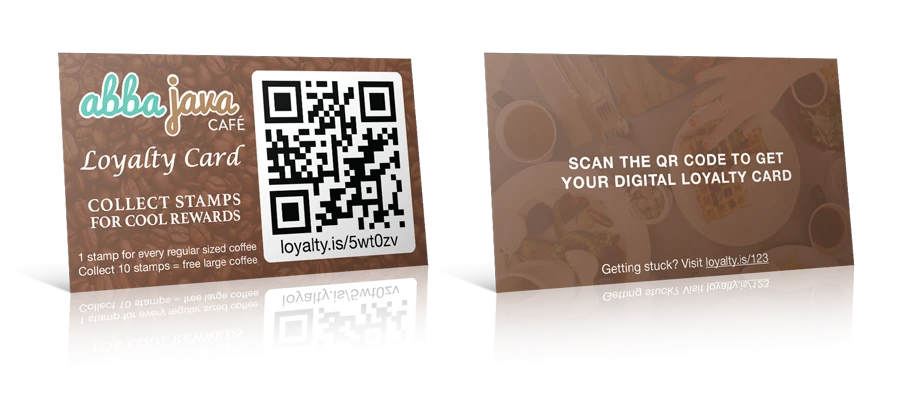
The pickup counter is a good place to catch customers while they wait. Put a small sign near the card reader, pickup shelf, or order collection area so staff can point to it without stopping the flow of service.
The sign should show the QR code, the reward, and one clear action. Anything more will get ignored during a dinner rush.
Receipts And Takeout Bags
Receipts and takeout bags give customers a second chance to join after they leave the counter. Add the QR code to the receipt footer, a bag sticker, or a small insert placed inside the order.
This placement works well for rushed customers who do not want to sign up while other people are waiting behind them.
Online Ordering Page
Add the loyalty card link to the checkout page, order confirmation page, and confirmation email. Customers who order through your own website are already using a direct channel, so the loyalty card should be easy to find there.
Keep the message tied to the next order. “Collect stamps on future orders” is enough.
Social Media And Google Business Profile
Use social media and Google Business Profile for reminders. Announce the card when it launches, post the reward clearly, and share updates when you run bonus stamp days.
Do not bury the offer in a long caption because customers should see the reward, understand how to join, and reach the card quickly.
Local Business Drops
For nearby workplaces, schools, gyms, salons, garages, and local teams, use a small flyer, counter card, or box insert that can sit in a break room or front desk area.
This placement works best when one person can scan, save the card, and remember your shop the next time the group orders pizza.
FAQs About Pizza Loyalty Cards
How Many Stamps Should A Pizza Loyalty Card Have?
Most pizza loyalty cards work best with 5 to 10 stamps, depending on the reward. A lunch slice card can use fewer stamps because each order is smaller, while a whole-pizza or family-meal card can use more stamps because the reward is worth more.
The right number should feel achievable for customers and safe for the shop’s margins. If the reward takes too long to earn, customers stop caring. If it is too easy to earn, the shop gives away too much.
What Orders Should Count Toward A Pizza Loyalty Card?
The best orders to count are the ones the pizza shop wants customers to repeat. That might include whole pizzas, lunch combos, pickup orders, family meals, office lunch orders, direct online orders, or party orders.
Small purchases should only count when the card is built around that behavior. A slice should count on a lunch card, but it may not make sense on a whole-pizza reward card.
What Rewards Work Best For Pizza Shops?
The best pizza loyalty card rewards are easy to understand and easy for staff to redeem. Good options include free garlic knots, drinks, desserts, toppings, sides, slices, money off a direct order, or a free pizza after several qualifying orders.
Free pizza can work well, but it should usually be a bigger milestone reward. Smaller rewards help customers feel progress without forcing the shop to give away high-cost items too often.
Should A Pizza Shop Use Stamps Or Points?
Stamps are usually better for independent pizza shops because they are easier to explain during a busy shift. Customers understand a rule like “earn one stamp per pickup order” faster than a points balance with different earning rates.
Points can suit larger pizza chains, multi-location shops, or pizza businesses with deeper POS needs. For most local pizza shops, a stamp card is easier for staff to run and easier for customers to remember.
Can A Loyalty Card Help A Pizza Shop Get More Direct Orders?
Yes, a loyalty card can help a pizza shop get more direct orders when it rewards pickup, phone, website, or in-store orders. Customers have a clearer reason to come back through the shop’s own ordering channels.
The card will not replace every delivery app order, but it can shift repeat customers toward direct ordering over time. That matters because direct customers are easier to recognize, reward, and bring back.
Do Customers Need An App To Use A Digital Pizza Loyalty Card?
No, customers do not need a separate app when the pizza shop uses a wallet-based digital stamp card. They can save the loyalty card to Apple Wallet or Google Wallet and use it from their phone.
That removes a common signup barrier because customers do not have to download another restaurant app just to collect stamps toward their next pizza reward.
Conclusion
A pizza loyalty card works when customers can join quickly, staff can explain it during a busy shift, and every stamp is tied to an order the shop wants more of, rather than copying a large chain rewards system.
Loopy Loyalty is a good fit for pizza shops that want to run a digital stamp card without asking customers to download a separate app. Customers can save the card to Apple Wallet or Google Wallet, staff can issue stamps for qualifying orders, and the shop can keep the program simple enough to use during lunch, dinner, and pickup rushes.