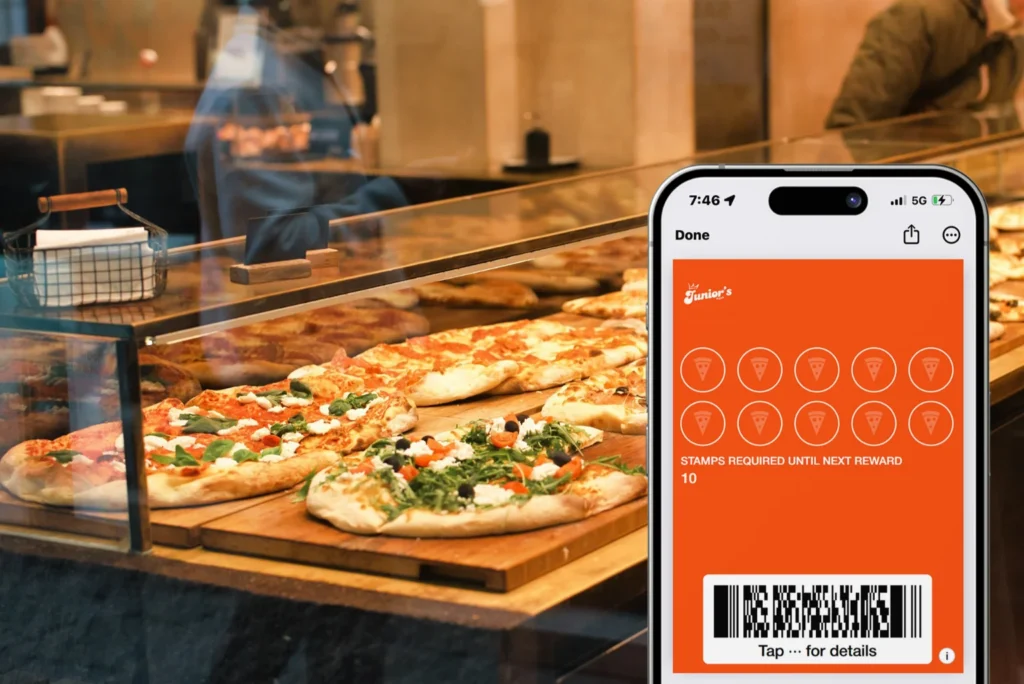


As a small business owner, you’re likely struggling with multiple responsibilities and may hesitate to add another task to your marketing efforts.
However, implementing incentive punch cards is a low-effort, high-reward strategy that can pay dividends in customer retention and increased sales.
By the end of this article, you’ll have all the knowledge and tools necessary to create an effective punch card loyalty program tailored to your business needs.
The Power of Incentive Punch Cards
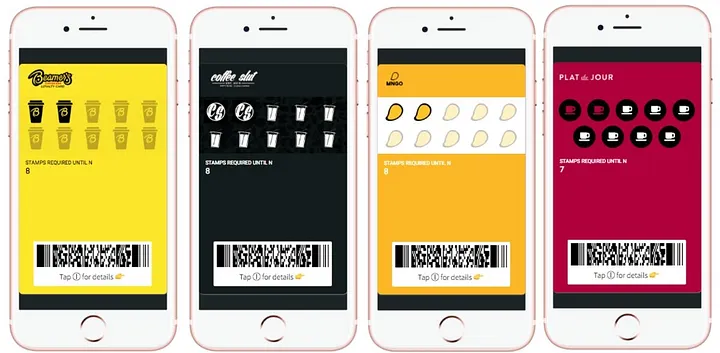
Punch cards are a way for businesses to keep customers coming back. When people make a certain number of purchases, they earn rewards, which makes them feel valued and pushes them to return to fill up their card and claim their reward.
The psychology behind punch cards is fascinating. They tap into several human behavioral tendencies:
- Goal gradient effect: As customers get closer to completing their card, they tend to accelerate their purchasing behavior.
- Endowed progress effect: When customers receive a card with one or two punches already filled, they’re more likely to work towards completing it.
- Loss aversion: Once customers start a card, they’re motivated to complete it to avoid the perceived “loss” of their progress.
- Gamification: Collecting punches is like a fun game that makes shopping more enjoyable.
When done right, punch card programs can lead to:
- Getting customers to stick around
- Making them visit more often
- Encouraging them to spend more each time
- Helping gather useful customer info
- improving how well people remember your brand
You can easily create cards using loyalty punch card templates or custom punch card designs matching your brand. Offer tangible rewards that excite customers and drive repeat business.
Types of incentive punch cards
Let’s explore the different kinds of incentive punch cards, each with its own benefits and downsides.
Traditional paper punch cards
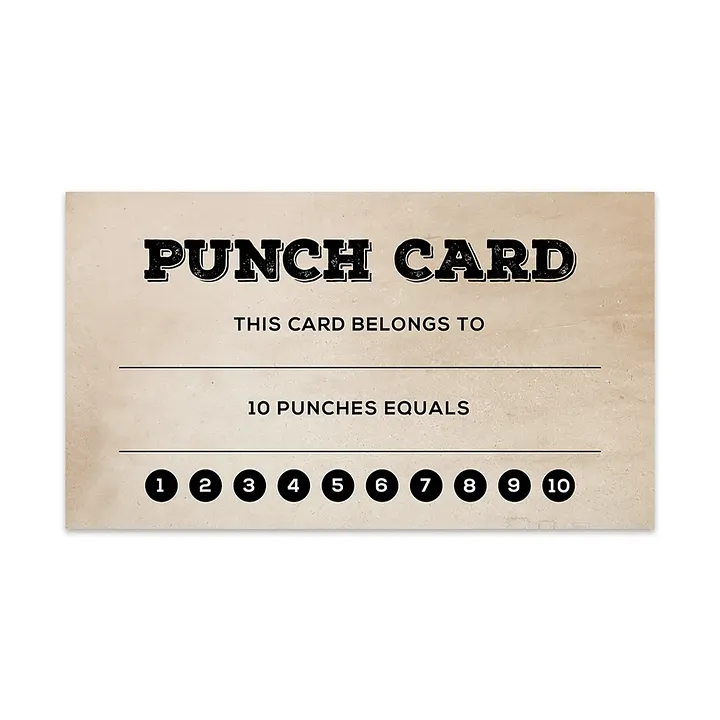
Paper punch cards are the original loyalty cards that most people know about. They’re super simple, cheap, and pretty easy to use. Customers get a physical card that gets punched or stamped every time they make a qualifying purchase.
Advantages of paper punch cards:
- Low startup costs
- No technology required
- Tangible reminder for customers
- Easy for staff to manage
Disadvantages:
- Can be lost, damaged or forgotten
- Limited data collection capabilities
- Potential for fraud (e.g., self-punching)
- No direct communication channel with customers
Digital punch cards
With the rise of smartphone technology, reward punch cards have become increasingly popular. Customers can store these virtual punch cards on their phone and update them electronically with each purchase.
Advantages of digital punch cards:
- Always accessible on smartphones
- Real-time updates and notifications
- Rich data collection and analytics
- Integration with other digital marketing efforts
- Reduced risk of fraud
Disadvantages:
- Requires customers to have smartphones
- May require an initial learning curve for staff and customers
- Potential technical issues or app glitches
Hybrid systems
Some businesses go for a mix of physical and digital options to meet different customer preferences. It can ensure your loyalty program attracts a lot more people.
Advantages of hybrid systems:
- Caters to both tech-savvy and traditional customers
- Allows for gradual transition to digital
- Provides backup in case of technical issues
Disadvantages:
- Requires managing two separate systems
- Potentially higher costs
- May cause confusion if not clearly communicated
Designing incentive punch cards
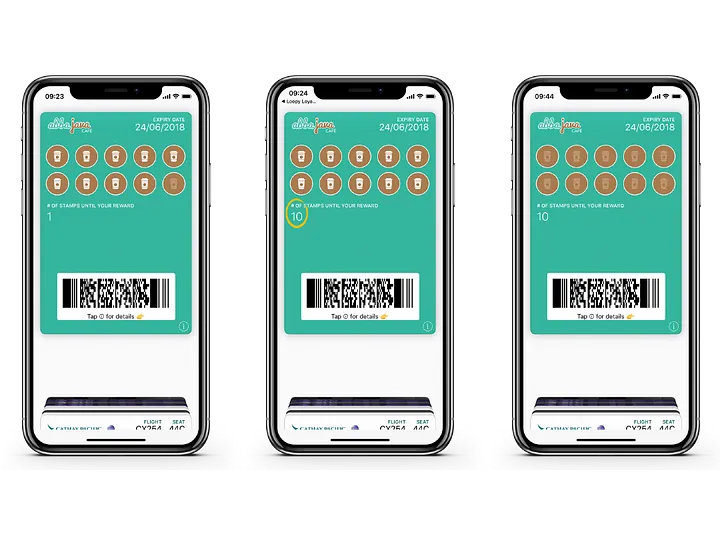
Creating incentive punch cards is all about coming up with a fun and eye-catching design that gets the message across while encouraging customers to join in.
Making the cards look great and showing off the program’s benefits is important to keep people engaged and interested.
Choosing the right design elements
Your punch card is an extension of your business. When you design your own loyalty cards, add your logo and imagery and use brand colors that evoke the right emotions. For instance, red can create urgency, while blue tends to build trust.
Go for a clear font that fits your brand’s style. Steer clear of fancy fonts that are hard to read. Use your brand’s voice in any written content.
Organize information in a logical flow. Place the most important details (e.g., reward information) prominently. Ensure the card fits comfortably in a wallet or on a smartphone screen.
Make sure there’s enough space for the required number of punches or stamps.
Balancing aesthetics and functionality
While an attractive design is important, you shouldn’t compromise functionality. Ensure the promotional punch card is easy for customers and staff to read, understand, and use.
Use clear, concise language and include all necessary information like expiration dates and terms and conditions.
Make sure punch/stamp areas are easily identifiable. For digital cards, ensure the interface is intuitive and responsive.
By creating an electronic punch card that aligns with your brand identity, you’re not just offering a rewards program but reinforcing your brand with every interaction.
Setting up your punch card program
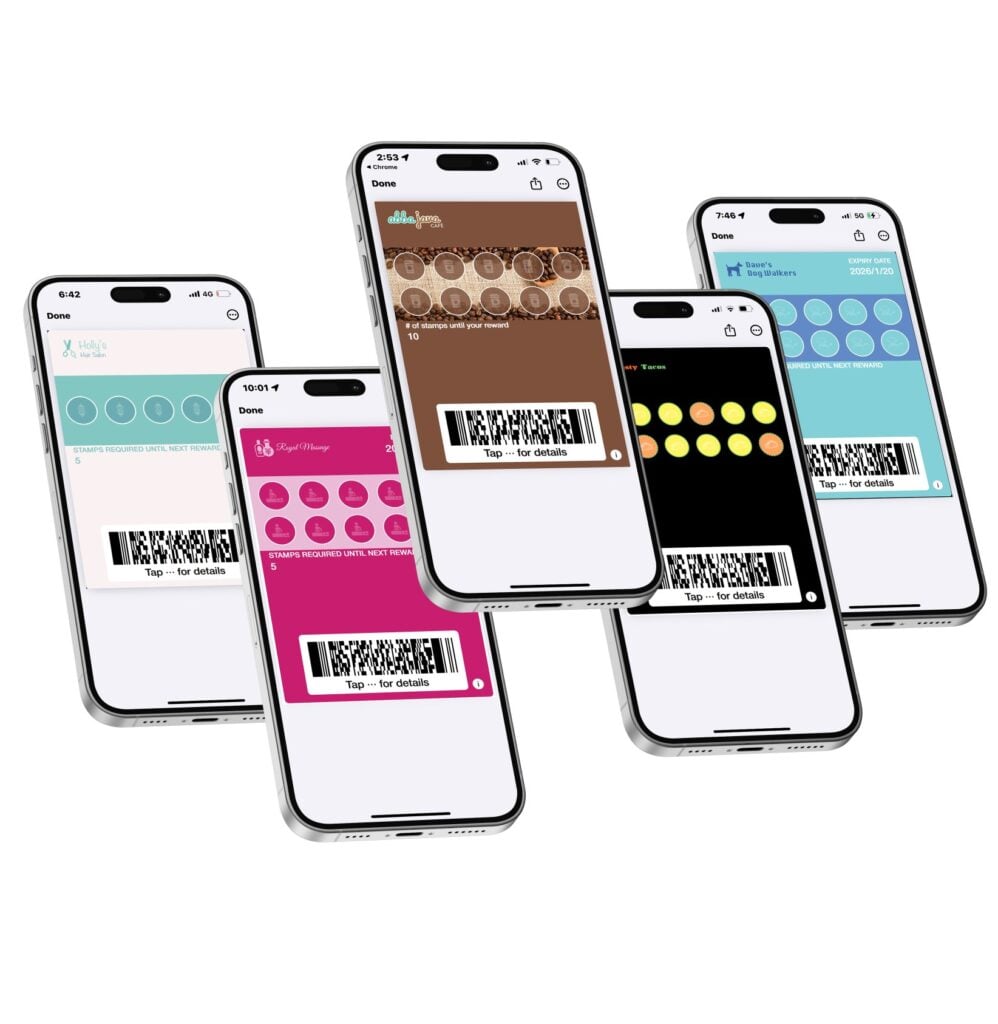
Getting your punch card program up and running takes some thought and effort, but it can really help keep your customers coming back and boost their loyalty.
Determining the reward structure
Decide what customers need to do to earn a punch and what they’ll receive as a reward. It could be based on the number of visits, the amount spent, or specific products purchased.
When figuring out your reward system, keep these factors in mind:
- What is your average sale
- How much profit do you make on different products
- How often customers buy from you
- What your competitors are doing
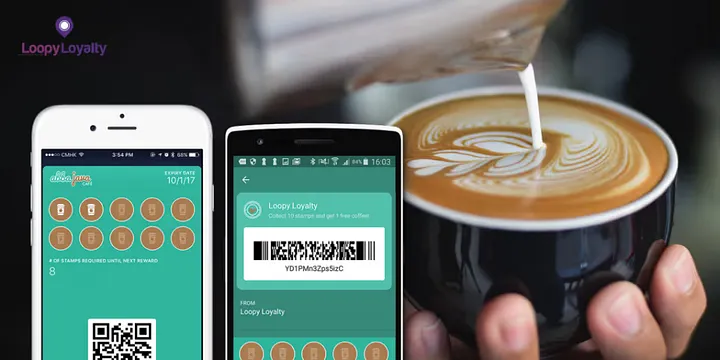
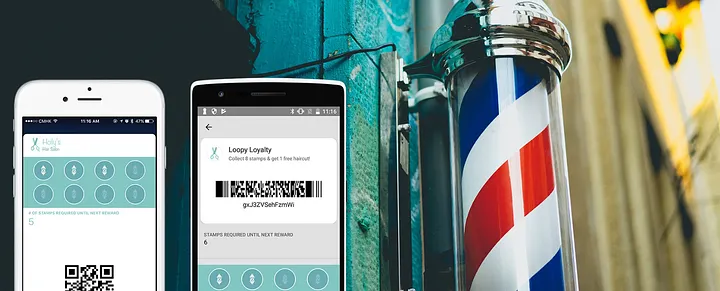
For example, a coffee shop might offer a free coffee after 10 purchases, while a salon could offer a discount on services after five visits.
Choosing appropriate incentives
Select valuable rewards for your customers and make financial sense for your business.
Effective incentives should:
- Be desirable to your target audience
- Have a perceived value that is greater than their actual cost to you
- Encourage additional purchases or visits
- Be feasible for your business to provide consistently
Some creative incentive ideas include:
- Exclusive access to new products or services
- Partnerships with complementary local businesses
- Charitable donations in the customer’s name
- Tiered rewards for higher-value customers
Deciding on the number of punches required
Strike a balance between making the reward attainable and ensuring it drives enough repeat business. The classic “Buy 9, get one free” deal is popular, but don’t hesitate to tweak it to fit your business and what your customers love.
Factors to consider:
- How often do your customers drop by
- What competitors in your area are offering
- The value of the reward
- Your business’s financial goals
Remember, the goal is to keep customers coming back without making the reward feel out of reach or the process a chore.
Implementing digital punch cards with Loopy Loyalty
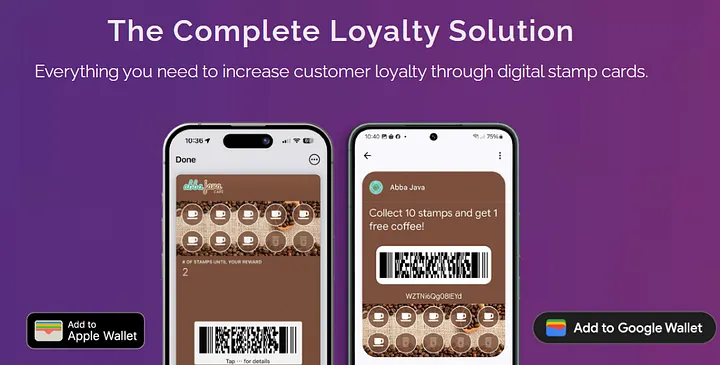
Loopy Loyalty is a customer loyalty software that simplifies creating, managing, and distributing custom punch cards.
Loopy Loyalty lets you design mobile loyalty programs and digital cards your customers can access directly through their smartphones’ native wallet apps.
It eliminates paper cards and the need for customers to download separate loyalty applications, streamlining their experience.
By integrating with Apple and Google Wallet, Loopy Loyalty ensures customers have loyalty stamp cards available whenever they are at your business.
Start a free trial now.
Key features
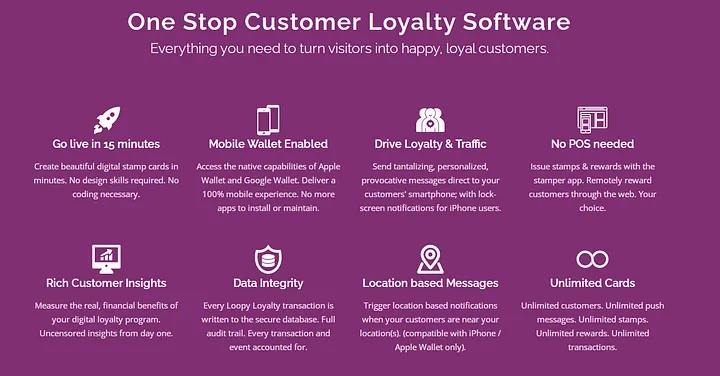
- Loyalty stamp program management: Create and run a rewards program where customers collect digital stamps for repeat purchases.
- Digital punch card templates: Pick from many ready-made loyalty card designs to make loyalty cards that match your brand’s look.
- Single and multi-rewards: Let customers pick from one or more rewards based on what they like and need.
- Location-based alerts: Send promotional messages to customers near your store to encourage visits.
- Terms and conditions: Write easy-to-understand terms for your loyalty program to avoid confusion.
- Lock-screen notifications: Send targeted messages to customers’ phone screens to grab their attention.
- Multichannel distribution: Connect with customers through texts, emails, your website, and social media.
- Stamper app: Use the Stamper app for iOS or Android to mark customer rewards quickly.
- Web stamper: Reward customers remotely using the online stamper tool.
- Data collection: Gather useful customer information to improve your loyalty program.
- ROI tracking: Measure how well your loyalty program is doing to make sure it’s worth the effort.
Sign up for a free trial and explore all features to get started.
Pricing
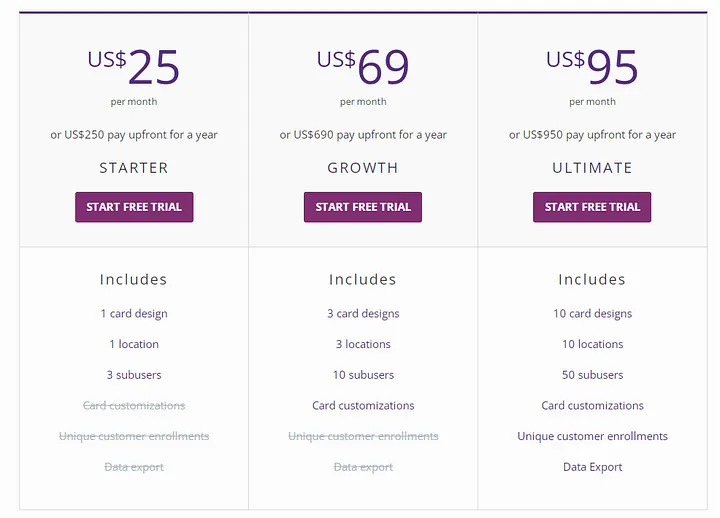
Loopy Loyalty offers a 15-day free trial and three paid plans:
- Starter for $25/month
- Growth for $69/month
- Ultimate for $95/month
All plans include unlimited digital loyalty cards, customers, push messages, stamps, rewards, and transactions.
Don’t miss this chance to get more repeat customers!
Start using Loopy Loyalty today!
Creative punch card ideas for your program
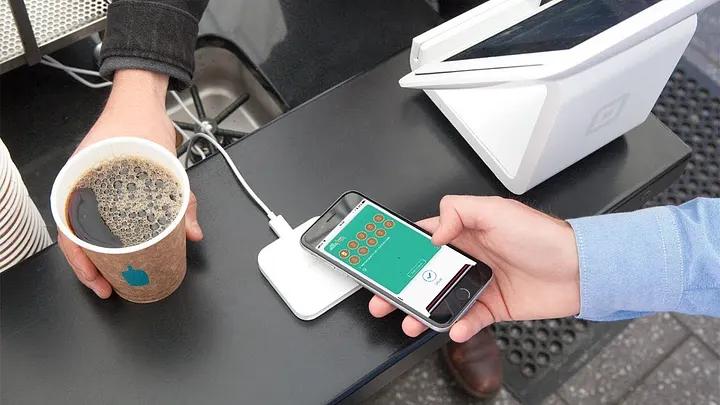
Innovative punch card ideas can revitalize your loyalty program and boost customer engagement. Instead of the typical “buy X, get one free” approach, consider creative alternatives that resonate with your audience.
Seasonal promotions, tiered rewards, or partnerships with local businesses for cross-promotional cards can add excitement to your program.
Some unique ideas include offering surprise rewards, integrating social media sharing for extra punches, or donating to charity for completed cards.
Time-based challenges, product exploration cards, and refer-a-friend bonuses can encourage more frequent visits and product discovery.
Personalized touches like birthday bonuses or off-peak incentives can make customers feel valued.
Remember, the more relevant and imaginative your program, the more likely it is to succeed in nurturing customer loyalty.
Best practices for punch card programs
Keep your program simple and easily understandable to encourage participation. Thoroughly train your staff to explain and implement the program effectively, ensuring consistency across all customer interactions.
Promote your program through various channels, including in-store displays, online platforms, and all customer touchpoints.
Regularly track key metrics such as active participants, completion time, redemption rates, and impact on transaction values to gauge program performance and make necessary adjustments.
Maintain customer trust by applying rules fairly and consistently. Gather feedback regularly to improve the program and stay attuned to customer preferences. Be aware of local loyalty program regulations, mainly expiration dates and unused rewards.
Integrate your punch card program with other marketing efforts for maximum impact, and personalize punch card rewards when possible using customer data. Finally, communicate any expiration dates to avoid customer disappointment.
The future of incentive punch cards
We can expect to see more integration of punch card programs with digital wallets, mobile payment systems, and even augmented reality.
However, the core principle of rewarding customer loyalty will remain central to these programs.
Emerging trends in loyalty programs include:
- AI-powered personalization: Using artificial intelligence to tailor rewards and communications based on customers’ likes and actions.
- Blockchain-based loyalty tokens: Some businesses are exploring using blockchain technology to create transferable loyalty points that can be exchanged or traded.
- Sustainability focus: Aligning loyalty programs with environmental or social causes to appeal to socially conscious consumers.
- Voice-activated rewards: Integration with smart home devices to allow customers to check their loyalty status or redeem rewards using voice commands.
- Augmented reality experiences: Using AR to create interactive, immersive experiences tied to loyalty programs.
- Predictive analytics: Using big data to figure out what customers want ahead of time and give them rewards or personalized deals.
As these technologies develop, small businesses should stay informed and consider adopting those that align with their customer base and operational capabilities.
However, it’s important to remember that customer appreciation and reward principles will always be at the heart of successful loyalty programs.
Conclusion about incentive punch cards
Incentive punch cards are a solid and budget-friendly way for small businesses to encourage customer loyalty and get people to come back.
Whether you go with a paper system or a digital one, the trick is to set up a program that clicks with your customers and fits your business goals.
If you follow our steps and tips, you can make a solid punch card program in no time, setting your business up for the long haul. Just keep in mind to:
- Pick the right kind of punch card for your business
- Create a card that looks great and highlights your brand
- Set up a reward structure that motivates customers without compromising your bottom line
- Make your program work well, whether using physical cards or digital ones
- Think outside the box with your rewards and promotions to make sure you’re not blending in with the competition
- Stick to best practices and steer clear of common mistakes
- Keep an eye on what’s coming up in loyalty programs!
Most importantly, view your punch card program as an ongoing initiative.
Regularly assess its performance, gather customer feedback, and be prepared to make adjustments to ensure it continues serving your customers and your business.
With the right mindset, your punch card program can really help strengthen customer connections, boost your revenue, and promote long-term growth for your business.
Start creating your program today with Loopy Loyalty and watch your customer loyalty and repeat business flourish.
FAQs about incentive punch cards
What are reward punch cards?
Reward punch cards are loyalty programs that incentivize customers to make repeat purchases. Customers receive a card (physical or digital) that gets punched or marked with each qualifying purchase.
Once the card is filled, the customer receives a reward, such as a free product or discount on future purchases.
Are punch cards a good idea?
Punch cards can be a great idea for small businesses. They’re easy to set up, low-cost, and can help keep customers coming back.
They’re perfect for places with many small transactions, like coffee shops, car washes, or salons.
But remember, how well they work can depend on your industry and your customers, so it’s key to tweak the program to fit your business needs
What is the punch card rule?
The punch card rule is all about how customers earn punches and get rewards. It could depend on how often they shop, how much they spend, or specific items they want.
You usually see it as “Buy X, get one free,” but businesses can define it however they want.
For example, a restaurant might offer a free appetizer after five main course purchases or a retail store might offer a 20% discount after accumulating $200 in purchases.
What is an example of a loyalty punch card?
A popular example is a coffee shop punch card where you get a stamp for every coffee you buy. After you get 9 cups, the 10th one’s on the house!
Other places might mix it up by offering discounts, free goodies, or other perks when you fill up the card, depending on what they do and what their customers like.
For example:
1. A pizza joint might offer a free large pizza after you’ve bought five
2. A car wash could give you a complimentary premium wash after you’ve had eight basic washes
3. A bookstore might offer you a $10 gift card once you hit $100 in purchases
4. A yoga studio could reward you with a free class after you’ve attended 10 paid sessions.
The key is creating a reward structure that motivates repeat visits while making financial sense for your business.
What is a classroom reward system
A classroom reward system is a behavior management strategy that uses positive reinforcement to encourage good behavior and motivate students.
Common tools include behavior punch cards, where students earn a hole punch for specific positive behaviors, behavior charts to track progress, and token economies.
It improves classroom management, promotes positive classroom behavior, and reduces disruptions. Teachers may use a hole puncher to mark behavior punch cards, giving a visual feel for how students are doing.
Classroom rewards can enhance the learning environment, helping kids stay focused and engaged. By consistently recognizing specific behavior, educators can create a positive atmosphere that supports both individual and whole-class success.