


Repeat visits are the lifeblood of a pharmacy, especially for front-of-store and over-the-counter products where customers have plenty of nearby alternatives. The pharmacies that win long-term are the ones that give people a simple reason to return, and make it easy for customers to remember, rejoin, and redeem.
In this guide, you’ll learn how to start a pharmacy loyalty program that increases repeat visits and raises average basket size with clear rewards and simple rules. You’ll also see which features matter most in a modern digital setup, like built-in messaging, reminders when customers are close to earning a reward, and easy signups that live on a customer’s phone.
What Is a Pharmacy Loyalty Program?
A pharmacy loyalty program is a structured customer rewards system that encourages repeat business by offering incentives when customers purchase eligible products or meet specific visit or spend thresholds.
The goal is to increase customer retention, improve repeat purchase frequency, and grow lifetime value by giving shoppers a clear reason to choose your pharmacy more often.
In practice, pharmacy loyalty programs are typically built around one of three formats:
- Stamp or punch programs that reward customers after a defined number of visits or purchases
- Points-based programs that accumulate rewards based on spend or item categories
- Tiered loyalty programs that unlock higher-value benefits as customers reach higher levels of engagement
Most modern programs can be managed digitally through a loyalty platform that supports customer sign-up, reward tracking, redemption, and promotional offers across in-store and online touchpoints.
Why Pharmacy Loyalty Programs Work
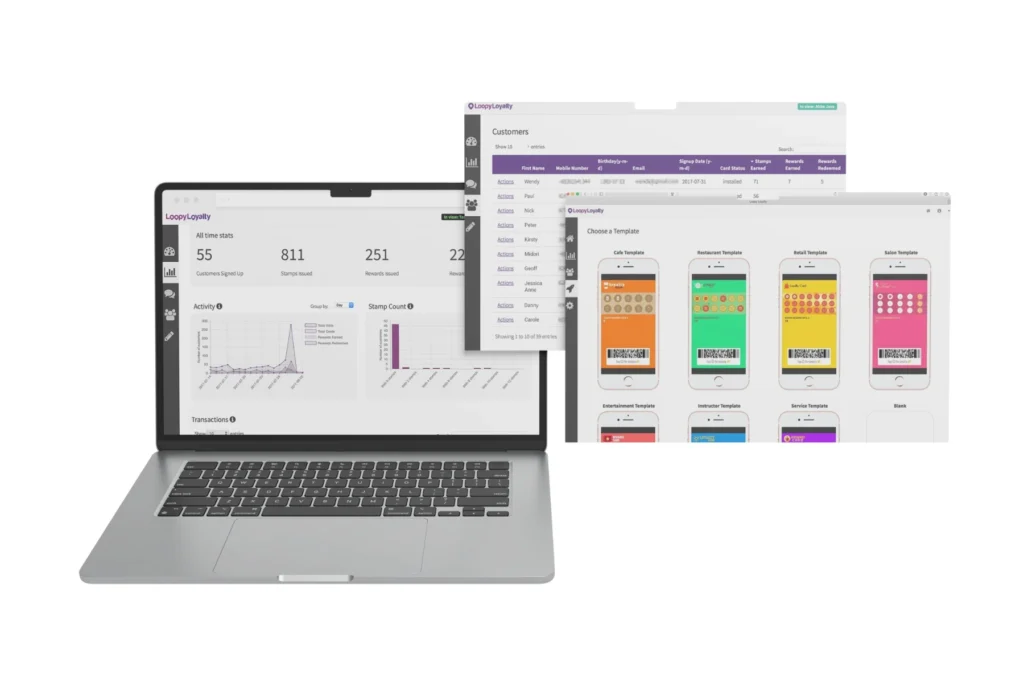
A pharmacy loyalty program works best when it does more than hand out discounts. It should strengthen retention, increase revenue per customer, and make your marketing more efficient by rewarding the right behaviors at the right time.
Here’s why loyalty tends to perform so well in pharmacy retail, and what it influences most.
Retention has an outsized impact on profit
Loyalty programs work because they protect and grow the most valuable thing a local pharmacy has, returning customers.
Even small improvements in customer retention can have a disproportionate effect on profitability over time, which is why loyalty is such a reliable lever when it’s executed consistently.
They increase revenue by lifting frequency, basket size, or both
Top-performing loyalty programs don’t just “reward” existing behavior.
They can increase revenue from customers who redeem rewards by driving more frequent purchases, higher basket sizes, or both, which is exactly what most pharmacies want from front-of-store and over-the-counter categories.
Personalization and relevance make offers work harder
A pharmacy loyalty program becomes more effective when it can deliver relevant incentives instead of broad, generic discounts.
Research summarized by McKinsey shows personalization commonly drives meaningful revenue lift, which is why targeted loyalty offers and tailored reminders tend to outperform one-size-fits-all promotions.
Loyalty reduces “switching” and increases habitual choice
Customers often have multiple nearby alternatives, so the win is getting them to default to your pharmacy.
A loyalty program creates a simple psychological reason to return (progress, perks, status, rewards), which helps reduce switching and increases the chance that customers consolidate more of their routine purchases with you.
How to Choose the Right Pharmacy Loyalty Model
The best loyalty model depends on how customers shop your pharmacy. If purchases are frequent and fairly consistent, simple “progress toward a reward” works well.
If basket sizes vary a lot, points can be more flexible. If you want to reward your best customers differently, tiers are the cleanest approach.
Digital stamp card
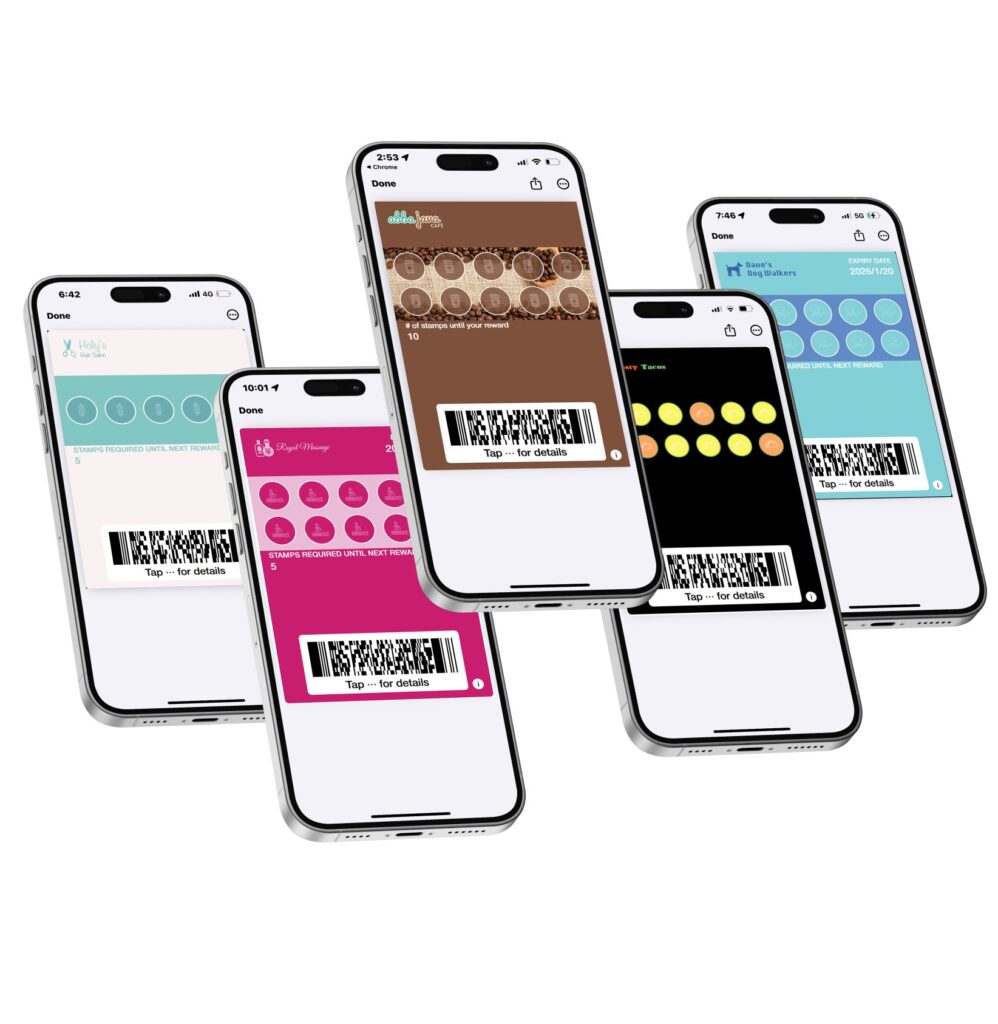
A digital stamp card is the simplest option to explain at the counter and the easiest for customers to use. It is ideal when you want to drive repeat purchases in predictable categories and keep the reward clear. It also works well when you want fast signups because the value is obvious on day one.
For this model, Loopy Loyalty is a natural fit because it is built around digital stamp cards and simple reward progress. Use it when you want a “collect and redeem” experience that feels effortless for customers and low maintenance for staff.
Points-based rewards
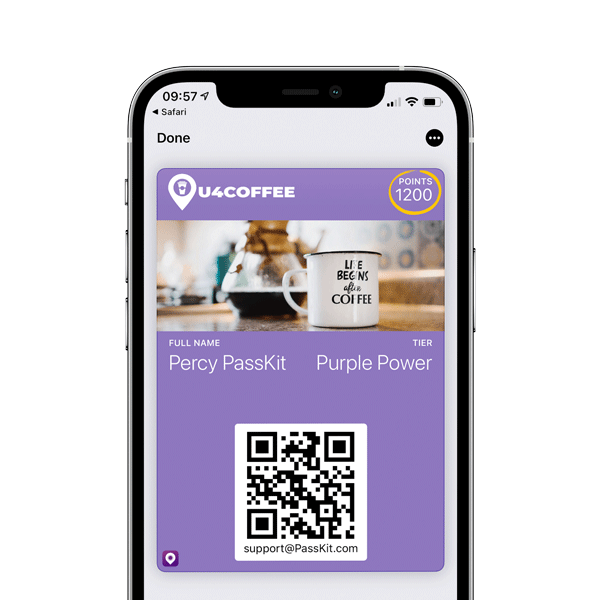
Points work best when customers spend different amounts per visit and you want rewards to scale fairly with spend. They also give you more flexibility to run promotions like double-points days or category-based boosts.
If you want points-based loyalty for pharmacies, use PassKit, since PassKit supports more advanced loyalty structures than a stamp card, including points earning and redemption logic that can be configured around your program rules.
Tiered loyalty
Tiered loyalty is the best choice when you want to create separation between casual customers and your most valuable regulars.
Instead of everyone earning the same reward at the same pace, tiers let you offer better benefits as customers reach higher levels of engagement. This is useful for retention and for making customers feel recognized, without relying only on discounts.
For tiered loyalty, PassKit is the better fit because tier logic typically requires more advanced program configuration than a simple stamp card, including tier thresholds, tier benefits, and tier-based offers.
If you are unsure which to pick, start with the simplest model you can run consistently. You can always evolve from a stamp program into points or tiers later once you know what customers respond to most.
What Purchases Should Earn Rewards in a Pharmacy Loyalty Program?
The easiest way to keep a pharmacy loyalty program consistent is to start with purchases that are simple to explain, quick to validate at checkout, and naturally repeatable.
For most pharmacies, that means focusing earning on front-of-store and over-the-counter categories first. It keeps the program clear for staff and customers, and it makes the reward feel achievable without complicated rules.
Eligible Purchase Categories for Pharmacy Loyalty Rewards
A good default is to reward everyday retail items that customers buy frequently and can choose from multiple nearby alternatives.
For example:
- Vitamins and wellness essentials
- Personal care and hygiene (oral care, skincare, deodorant)
- First-aid basics and health accessories
- Baby and family essentials
- Beauty and cosmetics (if you carry them)
- Seasonal categories (allergy season, cold and flu season, sun care)
- Convenience items (travel sizes, water, snacks)
If you want to narrow it further, you can start with “front-of-store only” and expand once the program is running smoothly.
Pharmacy Loyalty Earning Rules and Qualification Criteria
Stamp-based programs work best when the earning rule fits on a single line and is easy to repeat at the counter. Common options that match a digital stamp card model are:
- 1 stamp per qualifying visit
- 1 stamp per spend threshold (for example, one stamp for every $25 spent)
- 1 stamp for featured categories (a rotating monthly focus like “wellness essentials”)
Loopy Loyalty’s digital stamp cards are designed for this type of simple progress toward a reward, so customers can see their stamps accumulate inside Apple Wallet or Google Wallet without needing an app download.
Pharmacy Loyalty Promotions and Earning Boosts
Once you have the base earning rule, you can layer in occasional boosts that still feel easy:
- Seasonal double-stamp days for allergy or cold-season essentials
- Bundle stamps for curated “wellness essentials” packs
- New-member welcome stamp on the first qualifying purchase
These work best when they are time-boxed and clearly communicated so staff do not have to remember exceptions for weeks at a time.
Checkout Visibility and Loyalty Program Communication
Whatever you choose, write the earning rule in plain language and keep it consistent across signage, receipts, and the card itself.
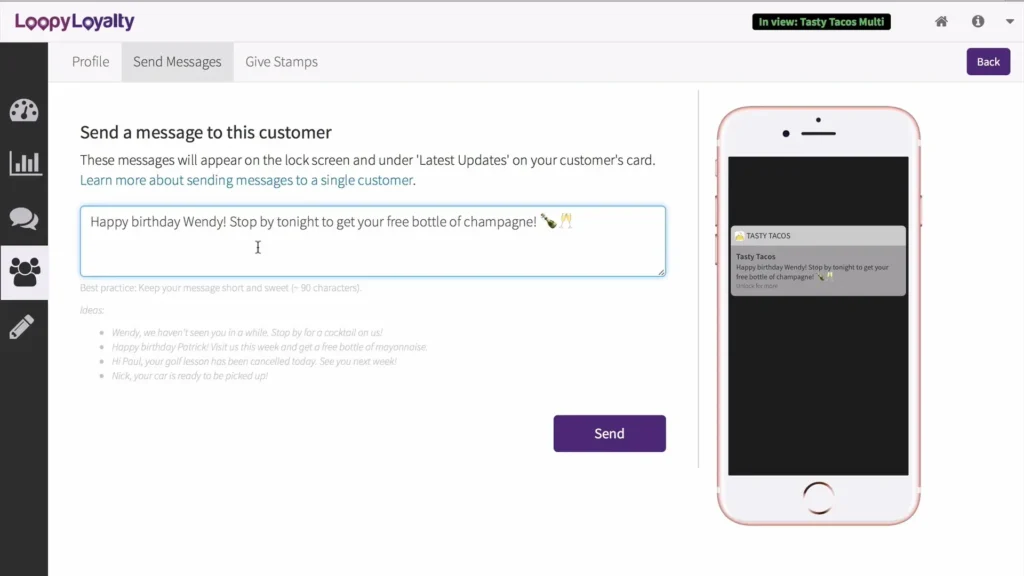
With Loopy Loyalty, you can place key program details on the digital card and use wallet-based messaging to highlight what counts this month and how close a customer is to earning their next reward.
Pharmacy Loyalty Rewards Customers Actually Redeem
Once you’ve decided what earns stamps, the next step is choosing rewards that customers will actually want, understand, and use.
In a pharmacy, the best rewards tend to be practical, easy to redeem on front-of-store purchases, and valuable enough to feel like a real benefit without creating checkout friction.
Low-friction rewards for everyday shoppers
These rewards work because they are simple, familiar, and easy to redeem on routine visits. They also fit well with stamp-card programs because customers can clearly see how close they are to earning them.
- Free or discounted everyday essentials (up to a set value): a straightforward reward customers can use immediately on common front-of-store items.
- “Buy X get Y” offers on repeat categories: ideal for products customers restock often, such as personal care, vitamins, and seasonal essentials.
- Small add-on items that feel useful: travel sizes or seasonal essentials that feel like a bonus rather than a complicated promotion.
Milestone rewards that build habit
A good stamp program usually has at least one “worth it” reward that motivates customers to complete the card. These rewards are best when they feel valuable but still stay within front-of-store categories you can fulfill consistently.
- Curated essentials bundle: a simple bundle that matches real shopping behavior, such as personal care basics or seasonal wellness items.
- Fixed-value voucher on eligible categories: a clean option that keeps redemption flexible while staying inside your chosen eligible categories.
- Higher-value free item up to a cap: works well when you want a clear, single-item reward that feels tangible and easy to understand.
Multi-reward stamp cards (small reward plus final reward)
If you want higher engagement, use a mid-way reward and a completion reward on the same stamp card. The mid-way reward reduces drop-off because customers get a payoff before the end, while the final reward gives them a bigger reason to finish.
The key is to keep both rewards simple and predictable so staff can explain them in one sentence.
Pharmacy-friendly reward bundles
Bundles can outperform single-item rewards because they feel substantial and “pharmacy relevant,” especially when they align with seasonal needs and repeatable categories.
- Seasonal wellness bundle: align the bundle to the season, such as allergy season essentials, cold-season basics, or sun care.
- Personal care essentials bundle: focus on hygiene and self-care staples customers restock regularly.
If you’re unsure what will perform best, choose rewards that are easy to redeem on a normal visit, then watch which rewards get claimed most often and refine from there.
How to Launch a Pharmacy Loyalty Program and Drive Signups Fast

A launch that performs comes down to two things, frictionless enrollment and a repeatable checkout workflow. If customers can join in seconds and your team can stamp and redeem without slowing the line, you’ll get consistent adoption.
Then you reinforce it with a reachable first milestone and a few simple distribution touchpoints beyond the counter.
In-store signups
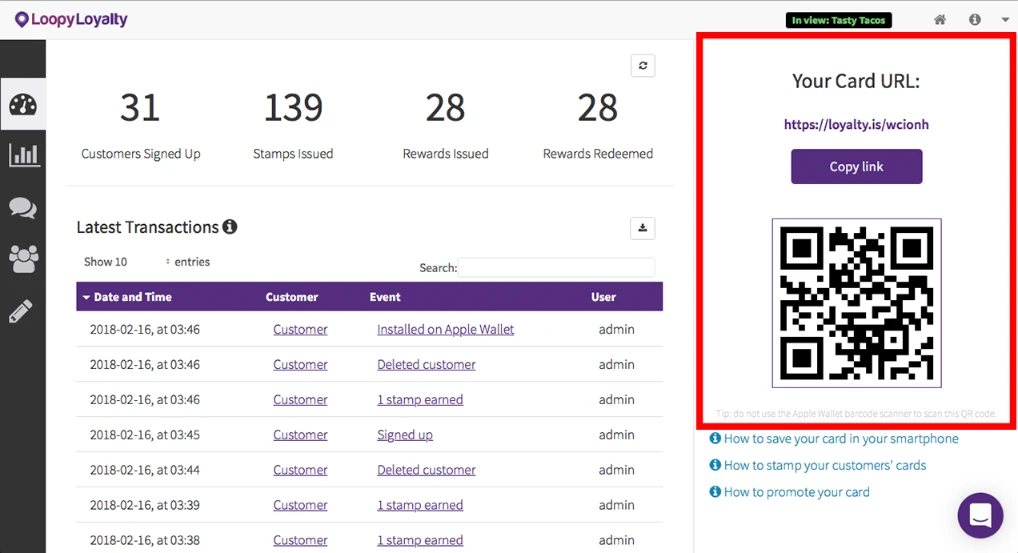
Treat the counter as your primary acquisition channel. Use your Loopy Loyalty card link and QR code so customers can scan, complete the minimum details, and add the card to their phone immediately.
Keep signage simple and specific (“Scan to join and start collecting stamps today”), and place it where customers naturally pause, at the POS and at the entrance or waiting area.
Checkout workflow
Most loyalty programs fail at checkout, not in the idea stage. Aim for one routine your staff can follow every time, even when it’s busy.
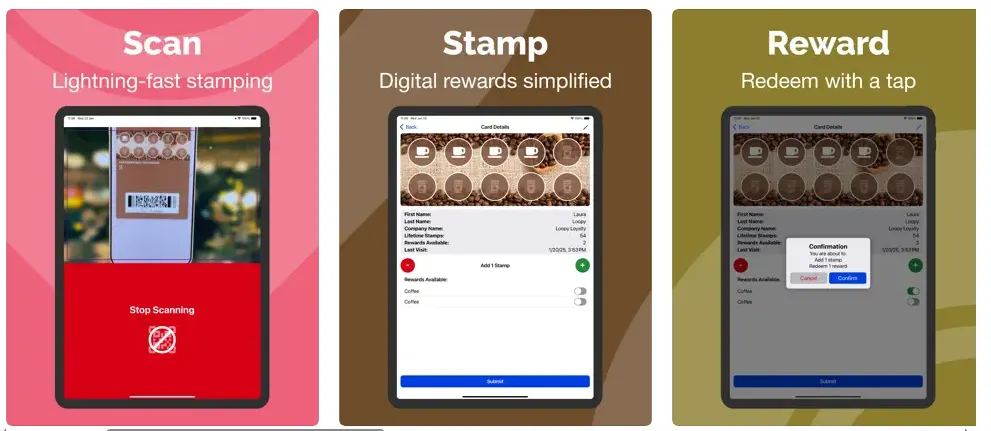
Use the Loopy Loyalty Stamper workflow so stamping and redemption are quick and standardized. Pair it with a single staff prompt that stays consistent:
“Would you like to collect stamps on your digital loyalty card today?”
The goal is to make loyalty feel like part of the normal transaction, not an extra step.
First-visit activation
You do not need a complex discount to drive signups. You need early momentum.
Make sure the first visit counts immediately and set the first milestone at a level customers can realistically reach. If you use multi-reward milestones, keep the first reward small and practical and the completion reward more meaningful.
Ongoing distribution
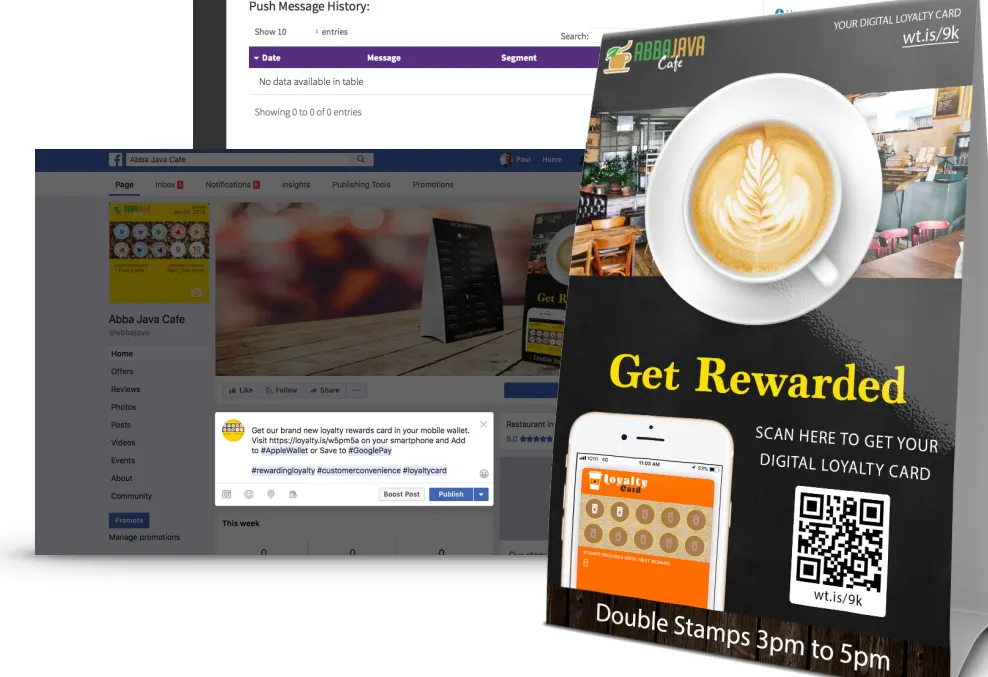
Once the in-store flow is working, widen signups without adding operational complexity. Add the card link to your website and social profiles, include it in an email to existing customers, and periodically share the QR code so people can join from another device.
In-store, keep a reminder sign near the exit or waiting area so customers who skipped at checkout still see it before they leave.
Loyalty Messaging for Pharmacies That Drives Repeat Visits
A pharmacy loyalty program performs better when customers do not have to remember it.
Messaging keeps the program visible between visits, reinforces progress toward a reward, and gives customers a timely reason to come back for routine front-of-store purchases.
Reward progress reminders
Progress reminders work because they create a clear next step. In a stamp-based program, that means reminding customers how close they are to earning a reward and what action moves them forward. The best messages are short, specific, and tied to the earning rule.
A strong progress reminder usually includes:
- Progress (how many stamps remain)
- Reward (what they will unlock)
- Action (what to do next)
When these are combined, the message feels helpful rather than promotional, and it nudges another visit without needing to discount.
Timed offers that match pharmacy buying cycles
Pharmacy retail is seasonal and routine, so messaging works best when it follows real buying cycles.
A small number of repeatable campaigns will outperform constant offers. Think seasonal essentials (allergy season, cold season, sun care), practical bundles (personal care and wellness basics), and a light win-back message for customers who have not visited in a while.
The goal is relevance and timing, not volume.
Location-aware prompts
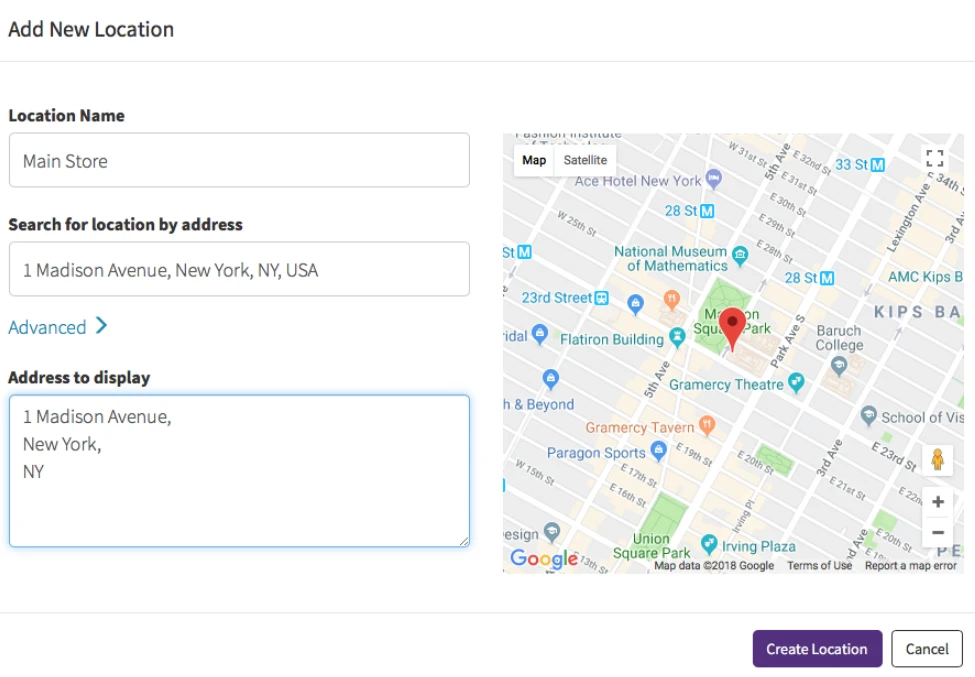
If your setup supports location-based prompts, they can act as a gentle reminder when customers are already nearby and most likely to act. This is especially useful for pharmacies because convenience is a primary decision driver.
For example, if a customer is 1–2 stamps away from their next reward, a nearby prompt can nudge them to stop in and complete the card.
Keep the message focused on one action, such as earning the next stamp or redeeming a reward, rather than stacking multiple offers into one message.
Messaging controls that keep the program predictable
The most important messaging controls are the ones that keep the program consistent. You want to control who receives a message, when it is sent, and what offer rules apply.
In practice, that usually means basic segmentation (new, repeat, lapsed), scheduling, and clear offer windows. When the rules are predictable, you get better engagement and redemptions with fewer opt-outs and fewer awkward moments at checkout.