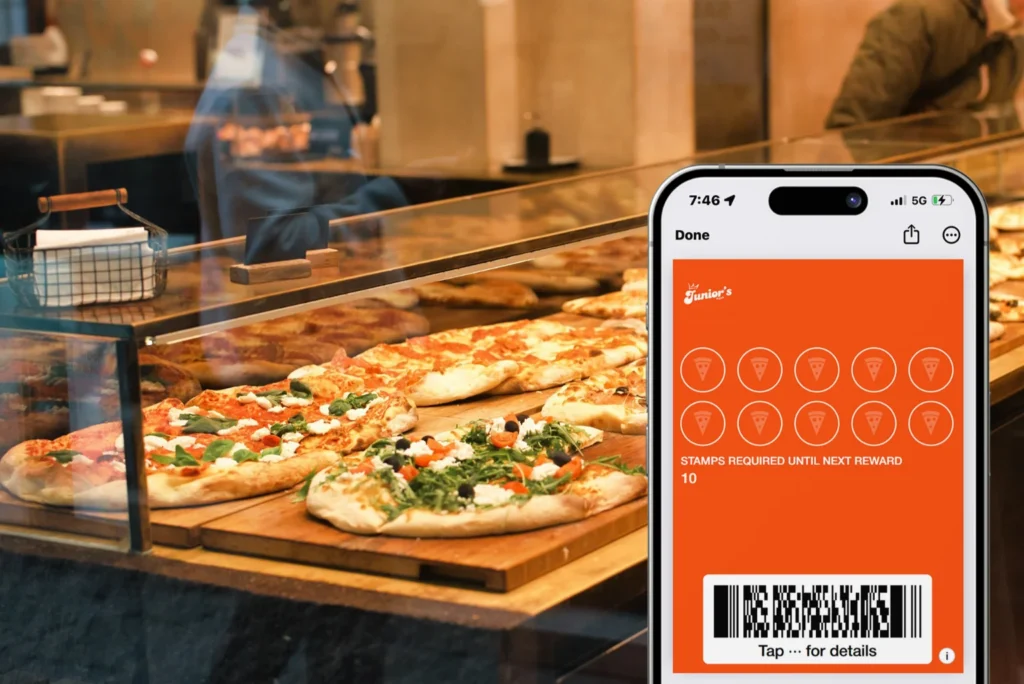

A pub loyalty card is one of the simplest ways to build regulars. Customers get a stamp when they visit, buy a drink, or hit a spend level. When they collect enough stamps, they unlock a reward like a free pint, a snack, or money off the next round.
Below is a practical setup plan for bars and pubs, including the best stamp rules, reward ideas, and an easy checklist to launch and promote your loyalty card quickly.
What Is A Pub Loyalty Card?
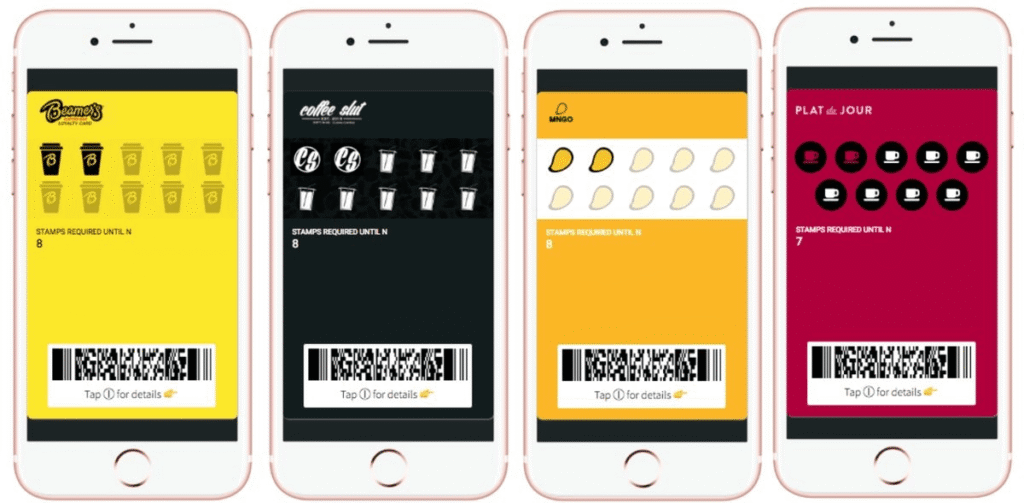
A pub loyalty card is a simple rewards card for pubs and bars that encourages repeat customers by tracking visits or purchases and giving a reward once the card is complete, usually using a digital stamp card or punch card format.
Customers earn one stamp for a clear action like a visit, a drink or round, or a spend threshold. When they hit the target number of stamps, they redeem a pub friendly reward such as a free pint, a snack, or money off the next round. Punch style loyalty works well because it rewards frequency and the progress is easy to understand at a glance.
Pub loyalty cards can be printed or digital, with digital versions often joined by scanning a QR code and saving the card to a phone wallet, so customers do not need to install an app.
How Does A Pub Stamp Card Work?
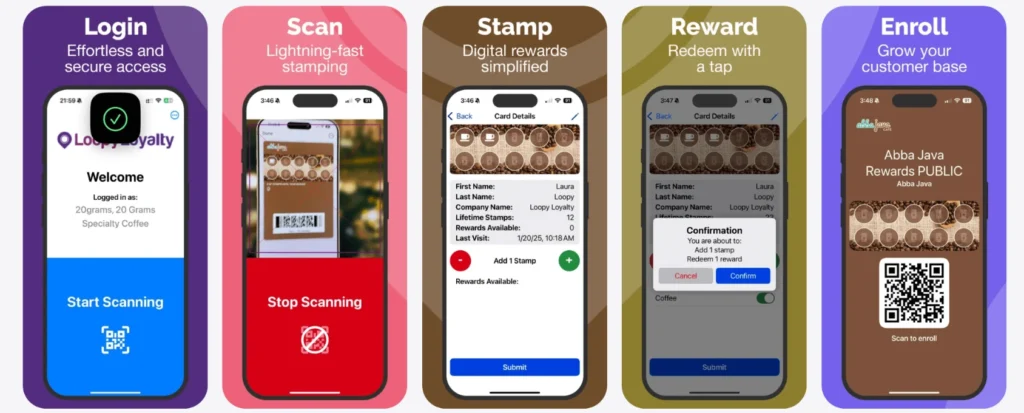
A pub stamp card works by turning repeat visits into a simple, trackable loop that customers can complete and redeem.
1. Customers Join Once
Customers get the card in-venue. With a digital card, they scan a QR code and save it to their phone wallet, so they can find it easily next time without downloading an app.
2. Staff Add A Stamp During Service
Each time the customer completes the qualifying action, staff add one stamp using the Loopy Loyalty Stamper app. The key is to make the rule simple so it can be applied consistently even when it’s busy.
3. Progress Is Always Visible
Customers can instantly see how close they are to the reward. That visible progress is what drives repeat behaviour, because it creates a clear reason to come back and finish the card.
4. Rewards Are Redeemed In Seconds
When the card reaches the required number of stamps, the customer shows it at the bar and staff redeem the reward in the same flow as stamping, keeping service quick.
5. The Card Continues After Redemption
After a reward is redeemed, the customer starts collecting stamps again toward the next reward, keeping the program running without needing a new sign-up.
Why Do Stamp Cards Work In Pubs & Bars?
Stamp cards work in pubs and bars because they fit how people actually buy drinks.
Customers want something they can understand in a few seconds at the bar, and staff need something that is easy to run during busy service. A stamp card is both. It turns repeat visits into a visible goal and gives regulars a reason to choose your place for the next round.
Here is why pub stamp cards perform so well:
- Easy to understand at the bar: One stamp per visit, drink, or spend threshold is instantly clear.
- Progress people can see: A filling card creates momentum and nudges customers to come back to finish it.
- Rewards match pub behaviour: Free pints, snacks, or money off the next round feel relevant and get redeemed.
- Drives frequency, not just spend: Pubs win when customers return more often, and stamp cards reward that habit.
- Low friction for staff and customers: Quick to explain, quick to issue, quick to redeem, with no points math.
The real advantage is consistency. When the rule is simple and the reward is pub-friendly, customers remember it, staff actually offer it, and you get more return visits without needing constant discounts.
What Stamp Rule Should You Use For Pubs And Bars?

Pick one stamp rule and keep it consistent every shift. The best rules are easy to explain in one sentence, easy for staff to apply when it is busy, and clear enough that customers never need to ask how it works.
In practice, most pub loyalty cards use one of three formats: one stamp per visit, one stamp per drink or round, or one stamp per spend threshold.
One Stamp Per Visit
This is the simplest rule and the best default for most pubs because it builds the habit you actually want, more repeat visits across the week.
Customers get one stamp per visit, then redeem a reward when they reach the target number of stamps.
To keep it fair and profitable, add one simple limit such as one stamp per customer per day, and if needed tie it to a qualifying purchase like any drink.
One Stamp Per Drink Or Round
Use this when your venue is drink-led and customers typically buy multiple drinks per visit. Customers get one stamp per qualifying drink or per round, then redeem a reward when the card is complete.
To keep it simple and sustainable, define two things up front:
- What counts as a stamp, for example any pint, house spirit and mixer, wine by the glass, or cocktails
- Your cap, for example a maximum number of stamps per visit or per day so one big night does not complete the card too quickly
Once those two rules are set, staff can apply them consistently and customers can predict how quickly they will reach the reward.
One Stamp Per Spend Threshold
This works best when bills vary, such as pubs that serve food, premium cocktails, or group tabs.
Customers get one stamp each time they spend a set amount, then redeem a reward after they collect enough stamps.
Keep the threshold simple and round, and decide whether it is per receipt or per day so staff can apply it consistently.
How Do You Prevent Stamp Abuse?
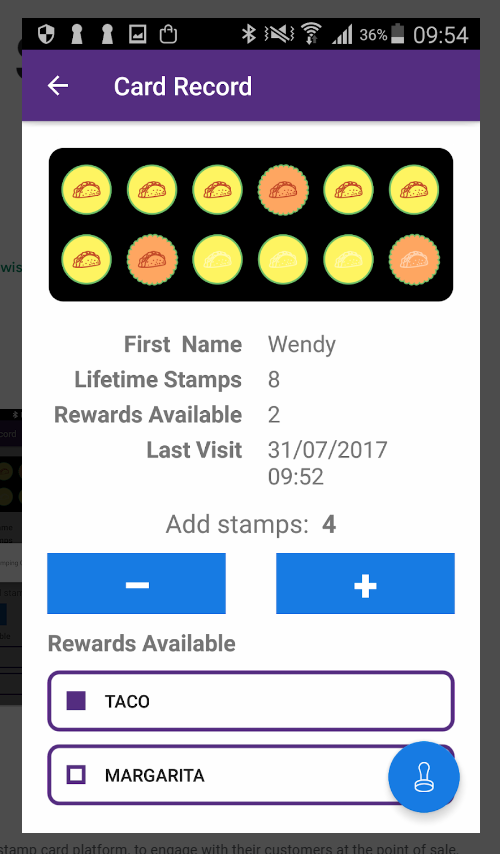
Most stamp problems come from unclear rules or inconsistent stamping. Prevent it with simple terms staff can apply fast:
- Limit stamps, such as one stamp per day for visit-based cards, or a cap per visit for drink-based cards
- Keep it staff-controlled, stamps and redemptions are added by staff, and no stamps on complimentary items or staff discounts
- Set a time boundary, such as an expiry window so old cards do not hang around forever
These small limits protect your margins without making the program feel strict, and they keep redemption smooth when the bar is busy.
What Loyalty Rewards Work Best For Pubs and Bars?
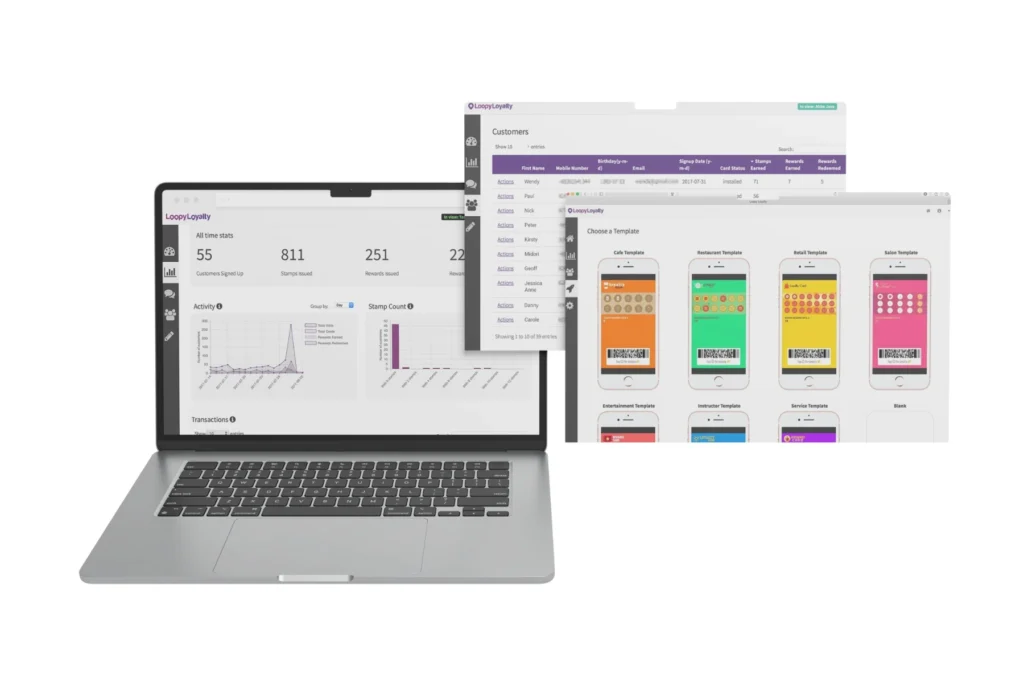
The best pub loyalty rewards are simple, quick to redeem, and consistent in cost.
If staff need to calculate anything or make judgement calls mid-service, redemptions slow down and the program loses momentum.
Aim for rewards that feel like a real win for customers, but still protect your margins and your time behind the bar.
Free Pint Or House Drink
This is the most obvious stamp-card reward because customers understand it instantly and it feels like a proper pub perk. The key is to define it so staff can redeem it without a conversation.
Set it as a “house” reward, a specific range, or a clear value limit, so premium serves do not accidentally become the default.
A clean approach is, a free pint from the core draught range, or a free house spirit and mixer, or a free small house wine. It keeps the reward desirable, keeps redemption quick, and makes the cost consistent from shift to shift.
Money Off The Next Round
Money off works because it is flexible and it nudges a return visit. In pubs, a fixed amount is usually clearer than a percentage because customers can understand it at a glance and staff do not need to do any mental maths.
Use a minimum spend to keep it profitable, for example £5 off when you spend £20. This protects margin and also encourages a round or two, not a single discounted drink. Discount-style rewards are a common punch-card outcome because they are simple and universal.
VIP Perks
VIP perks build loyalty without always giving away product, and they can make regulars feel like insiders. The best perks are ones you can deliver consistently without creating friction on busy nights.
Good pub-friendly VIP perks include members-only happy hour windows on quieter days, priority booking for sport and event nights, or a birthday treat that is easy to fulfill. Birthday rewards are a classic loyalty lever because people often celebrate with friends, which can lift group spend.
Free Snack Or Side
Snacks are an underrated pub reward because they feel generous, they pair naturally with drinks, and the cost is often more stable than alcohol. They are also great for driving earlier visits and midweek trade when you want more reasons for people to pop in.
Keep it simple and fast: crisps, nuts, fries, wings, or a small bar snack you can deliver without slowing service. If your pub serves food, this reward can also increase attachment rate because customers often add a drink or second round while they eat.
Merch And Experiences
Merch and experience rewards are best when your pub has a strong identity, runs events, or has a hero product you want people to talk about. These rewards can generate social sharing and word of mouth because they feel unique, not like another discount.
Examples that work well are branded glassware, t-shirts, a tasting flight, a members-only invite, or entry to a special night. Many bar loyalty guides call out exclusive access style rewards because they create a sense of belonging, not just savings.
To keep costs controlled, run merch and experiences as limited-time rewards, seasonal drops, or higher-stamp targets. That keeps them exciting without becoming an everyday margin drain.
How Do You Set Up A Pub Loyalty Card?
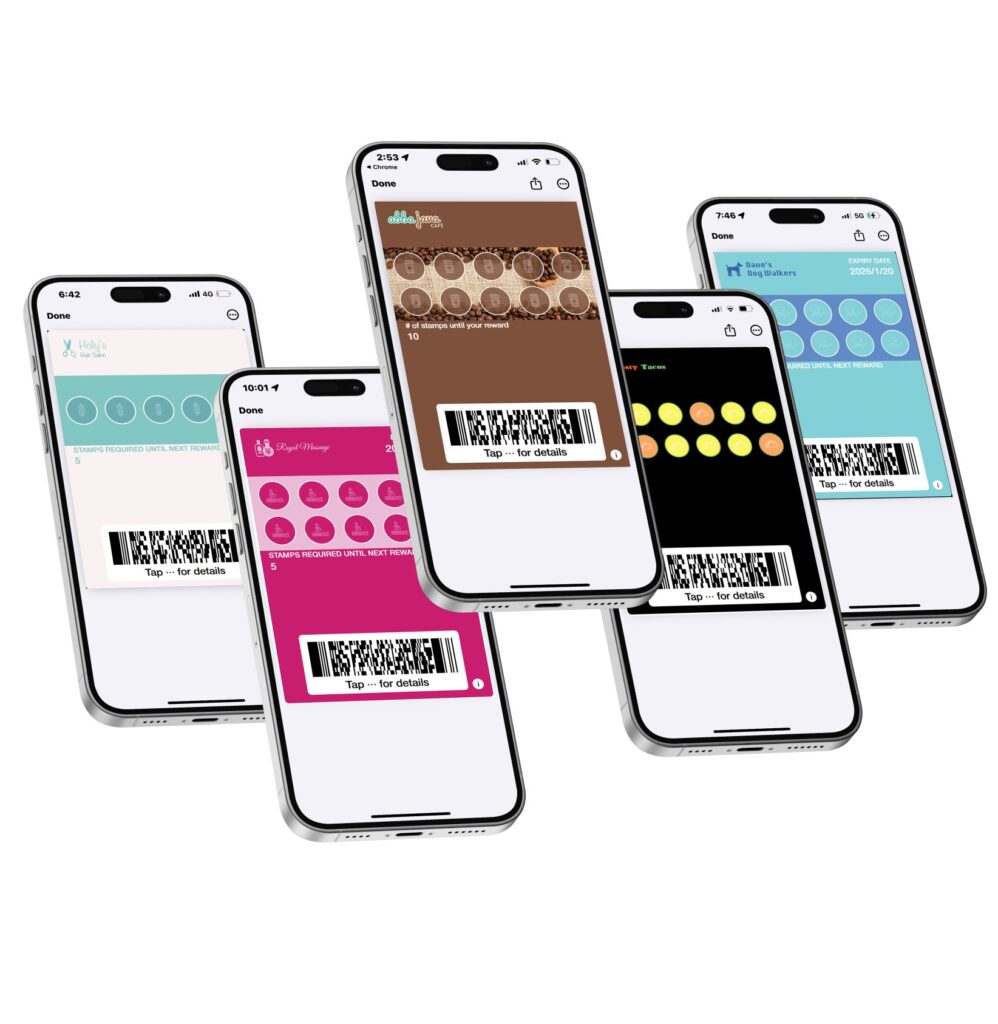
A pub loyalty card is easiest to launch when you keep the setup simple: one clear stamp rule, one clear reward, and one easy way for customers to join.
With Loopy Loyalty, you design the card in the web app, customers join by scanning a QR code and saving the card to their phone wallet, and staff stamp and redeem using the Stamper app.
Write The Rules In One Line
Your rule should be short enough to say out loud at the bar, and specific enough that there is no debate at redemption. Use this format: earn rule, stamp target, reward.
Example: Customers get 1 stamp per visit, collect 8 stamps, then redeem a free pint.
If you need guardrails, add one simple limit like one stamp per customer per day, or define what counts as a qualifying purchase. The goal is a rule that staff can apply in seconds, even during peak service.
What Should Be On The Card?
A good card answers the four questions customers ask without needing a staff explanation: how do I earn, how many do I need, what do I get, and what are the limits.
Include:
- The stamp rule in one sentence
- The stamp target and the reward
- Key terms like one stamp per day, what counts, and an expiry if you use one
- A join prompt that matches your signage, such as “Scan to save your loyalty card”
When the card is clear, redemption stays fast and consistent, which is what keeps a stamp program running long-term.
How Do You Get Staff To Push It?
Make it effortless for staff by giving them a simple script and a default moment to ask. A good script is one sentence, for example: “Want to collect stamps for a free pint?”
Then set the habit:
- Ask on the first order, the second round, or when closing the tab
- Keep stamping staff-only so the process stays consistent
- Train once, then keep it visible with a small reminder at the till
Loopy Loyalty is built so staff only need to use the Stamper app during service, while setup stays in the web app, which helps keep shifts smooth.
Where Should The QR Code Go?
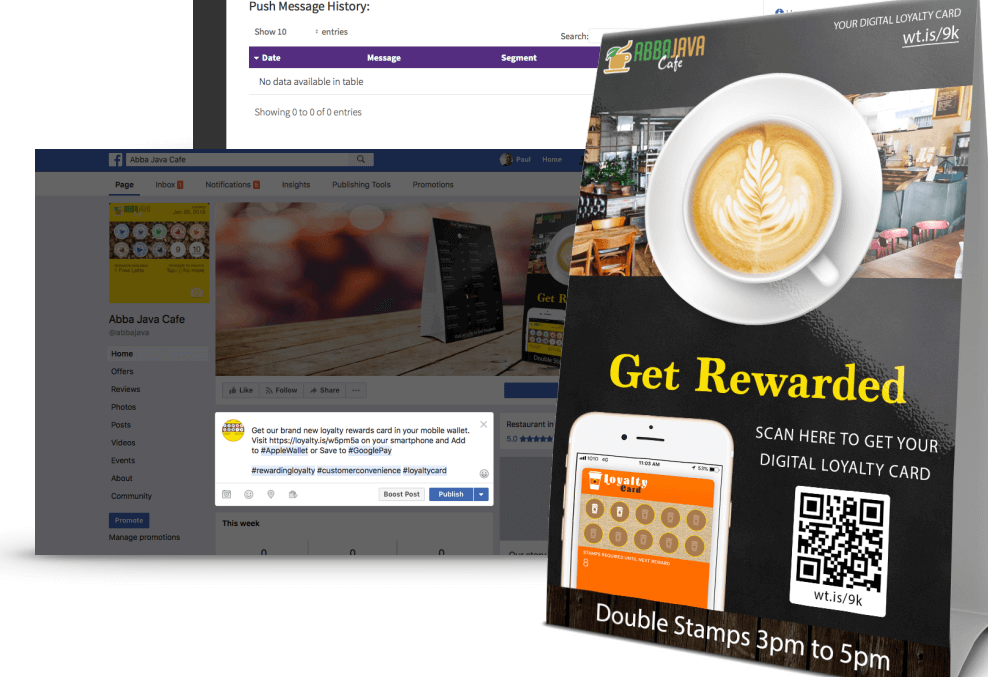
QR placement drives signups. Put it where customers naturally pause and where staff can point to it without thinking.
Best placements:
- Bar top and payment area, including a tent card near the POS
- Menus, table tents, and coasters
- Entrance and windows for walk-ins
- A small business card or handout for customers to take away
Loopy’s promotion guides specifically call out tent cards and business cards as simple ways to get more scans in-venue.
How Do You Promote A Pub Loyalty Card?
The fastest way to grow signups is to make joining feel like part of the visit. That means three things: a short staff prompt, a QR code placed where customers naturally pause, and a simple message that repeats everywhere.
Loopy’s own promotion guidance focuses on in-venue visibility using items like tent cards and business cards so customers can scan and save the card quickly.
When Should Staff Ask?
Ask when it fits the flow of service and the customer is already engaged. The best moments are first order, second round, and closing the tab, because customers are already making a decision and the ask feels natural.
A simple staff line that works in pubs is: “Want to collect stamps for a free pint?” Then point to the QR code so the customer can save the card in seconds.
Loopy also recommends involving staff alongside visible QR placements so the program gets offered consistently.
Menus, Coasters, And Receipts
Most signups come from “in-hand” moments, when customers are looking at something in front of them. Instead of one big poster, use multiple small placements that stay visible during the visit.
Use these placements as your core set:
- Tent card at the bar or POS so customers scan while paying
- Menus and table tents so the offer is seen while deciding what to order
- Coasters so the QR sits in front of them for the whole session
- Receipts so the QR goes home with them and can trigger a next visit
Add a short instruction beside the QR like “Scan to save your loyalty card” and keep the print large enough to scan in pub lighting.
What To Post On Social
Social should make the loyalty card obvious in two seconds. Lead with the reward and the rule, then tell people they join by scanning in venue. One strong post beats five vague ones.
High-performing post angles for pubs:
- The simple offer: “Collect 8 stamps. Get a free pint. Scan in the pub to join.”
- The in-venue proof: photo of the QR at the bar with “Scan here to save your card.”
- The reason to visit: “Double stamps on quiz night” or “Member perk this weekend.”
Loopy also recommends using video to show how quick it is to join and save the card, which works well as a pinned post or short reel.
Simple Reminder Messages
Reminders work when they are short, specific, and occasional. The best messages are progress nudges and time-based prompts, because they give customers a clear reason to come back.
Use simple templates like:
- Progress nudge: “You’re 2 stamps away from a free pint. Pop in this week.”
- Quiet-night push: “Double stamps tonight from 6pm.”
- Expiry prompt if you use it: “Your card expires soon. Come in and redeem.”
SMS loyalty guidance consistently recommends progress reminders and expiry nudges because they drive action without needing heavy discounts.
Frequently Asked Questions By Pubs and Bars
Frequently Asked Questions By Pubs And Bars covers the quick, practical answers pub owners ask most when launching and promoting a loyalty stamp card.
How Do I Get More People To Join My Pub Loyalty Card?
Put the QR code where customers already pause, like the bar top and payment area, and repeat it on menus, coasters, and receipts. Give staff one short line to use every shift, and lead with the reward and the rule so joining feels like a perk, not a signup.
Do Digital Pub Loyalty Cards Work Without An App?
Yes. Customers can scan a QR code and save the loyalty card to their phone wallet, so there is no app to download. This reduces friction and usually increases signups and repeat use.
Should I Run Double Stamps On Quiet Nights?
Yes, if it is time-boxed and occasional. Run it on slower nights in a clear window, like 6pm to 8pm, so it drives visits without becoming your default discount.
How Do I Promote A Pub Loyalty Card On Quiz Night Or Sports Nights?
Tie it to the event and keep it simple. Place QR codes on tables and at the bar, mention it when taking the first order or closing the tab, and use an event hook like bonus stamps during the match or quiz.