
Convenience stores depend on frequent customer visits. A regular might stop in for a morning coffee, a cold drink later in the day, or a quick snack or lunch on the go. When those visits happen again and again, a loyalty program can help turn familiar buying habits into more consistent repeat business.
That is why convenience stores are such a strong fit for simple digital rewards. Instead of relying on paper punch cards, stores can use a loyalty program that is easier to run at checkout and easier for customers to keep using over time. The most effective programs stay simple, clear, and tied to products customers already buy regularly.
What is a Convenience Store Loyalty Program?
A convenience store loyalty program is a reward program that gives customers an incentive to return by offering stamps, points, discounts, or free products when they make qualifying purchases.
It is usually built around high-frequency items or visit-based behaviour, rather than complex reward rules.
Many convenience store loyalty programs now track progress digitally, which makes rewards easier to follow and easier to redeem. For customers, that means a smoother experience. For staff, it means a faster and more consistent process at checkout.
Why Loyalty Programs Work for Convenience Stores
Loyalty programs work for convenience stores because they can influence where customers make routine purchases. Paytronix reports that convenience store loyalty members spend about 12% more than non-members, which makes even a simple reward program worthwhile for everyday categories like coffee, drinks, snacks, and grab-and-go food.
They also help turn regular shoppers into a measurable share of store transactions. NACS, citing Paytronix data, says operators in the 75th percentile get 30% of transactions from loyalty members, while brands in the 90th percentile reach 37% and beyond.
For convenience stores, that shows loyalty can do more than reward purchases. It can become a meaningful driver of repeat traffic and in-store sales.
What Types of Convenience Stores Can Use This Loyalty Approach?
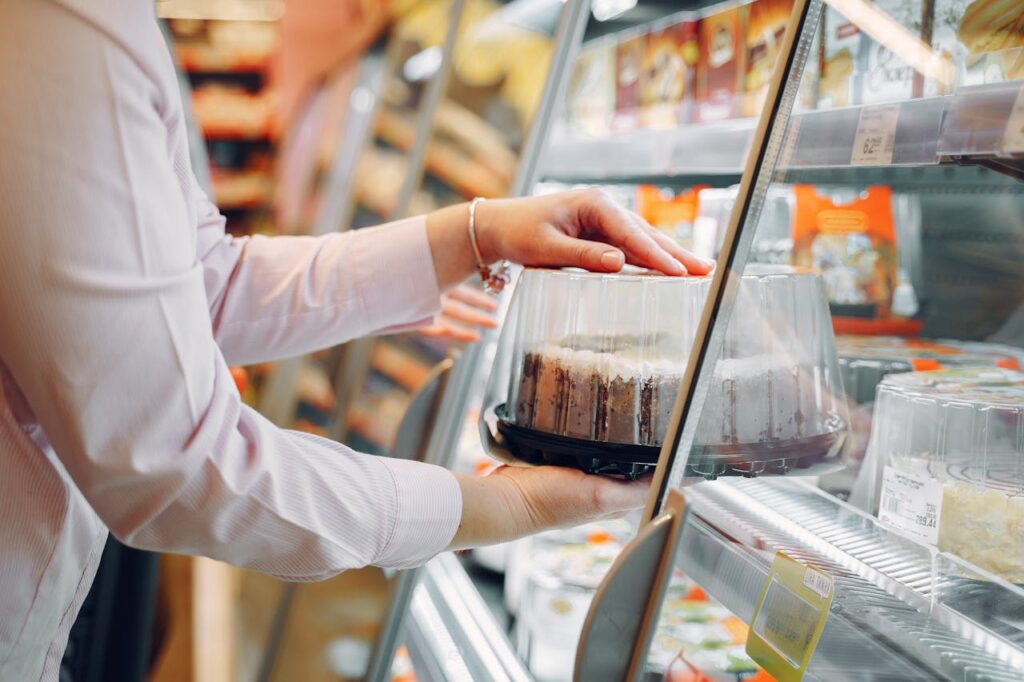
This approach can work for most convenience retailers where customers make frequent, low-value, in-store purchases.
The focus here is on shop purchases rather than fuel rewards:
- Independent convenience stores, corner shops, and mini marts
These are often the strongest fit because they rely heavily on local regulars and repeat everyday purchases. - Neighborhood c-stores and small convenience chains
This approach also works well for stores that want one simple loyalty offer across one or several locations. - Gas station convenience stores and forecourt shops
These stores can use the same model when the loyalty program is built around in-store purchases such as drinks, snacks, and food to go. - Symbol-group and franchise-style convenience stores
Stores operating under formats such as SPAR, Premier, or 7-Eleven can also use a simple loyalty offer to encourage repeat shop visits.
If your store depends on regular customers buying the same kinds of products again and again, this loyalty approach can be a good fit.
How to Create a Convenience Store Loyalty Program
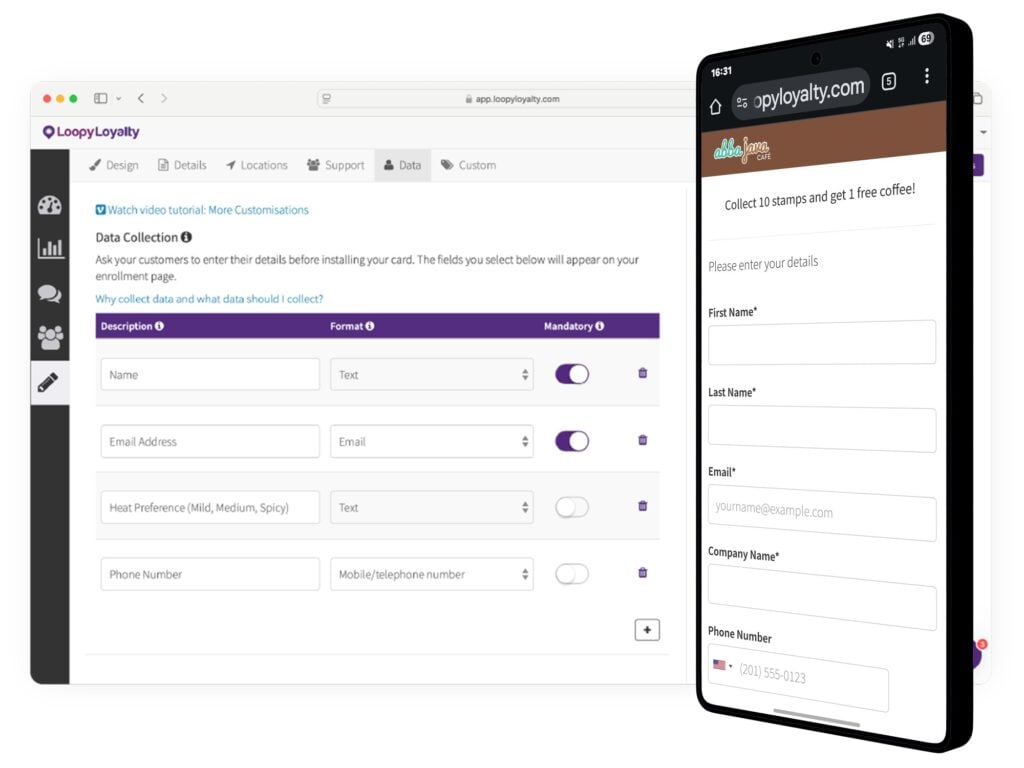
The simplest way to create a convenience store loyalty program is to turn one repeat customer behavior into a branded digital stamp card.
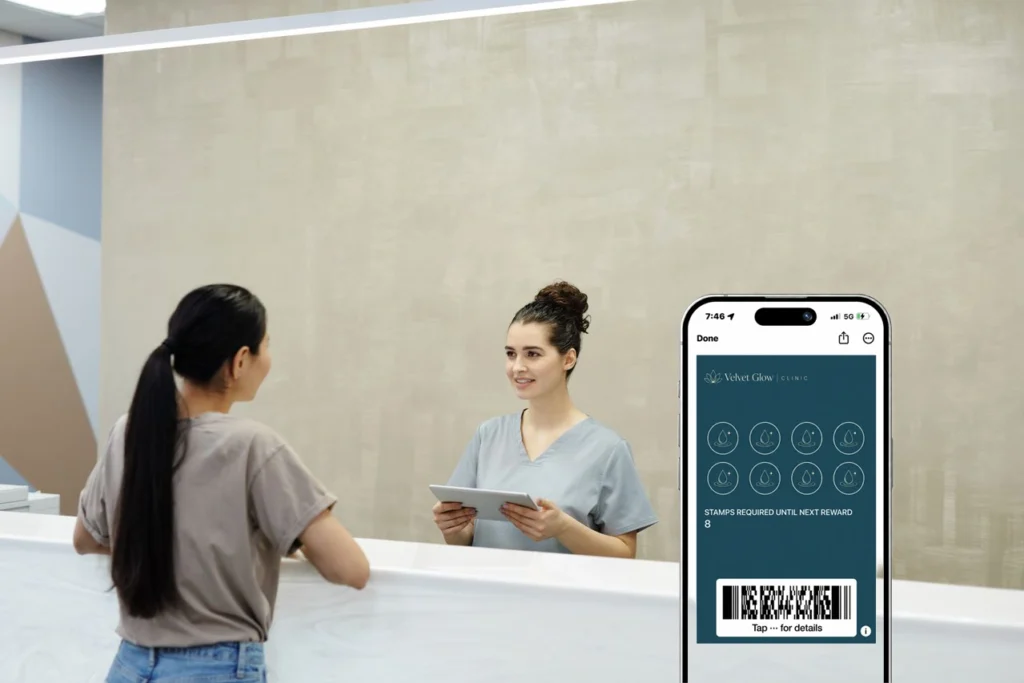
You can create the card in Loopy Loyalty with a 15-day free trial, let customers save it to Apple Wallet or Google Wallet, then issue stamps in store using the Stamper app or web interface. Customers do not need to download a separate loyalty app to use the card.
1. Choose The Repeat Purchase or Visit You Want To Reward
Start with the purchase or visit that already happens most often in your store. For most convenience stores, that means a habit customers already have, not one you need to teach them.
Good options include:
- morning coffee
- any hot drink
- cold beverage
- lunch combo
- repeat store visit
The best place to start is one offer that staff can explain quickly and customers can remember easily.
2. Set a Simple Stamp Goal and Reward
Once you know what you want to reward, turn it into a straightforward stamp card offer. Loopy Loyalty is built around digital stamp cards, including single-reward and multi-reward options, but for a convenience store, the simplest version is usually the strongest starting point.
A good offer might be:
- Buy 5 coffees, get 1 free
- Collect 6 stamps, get a free snack
- Buy 4 lunch deals, get the 5th discounted
Keep the goal close enough to feel worth collecting. If the reward takes too long to earn, customers are less likely to bother.
3. Create and Brand Your Digital Stamp Card
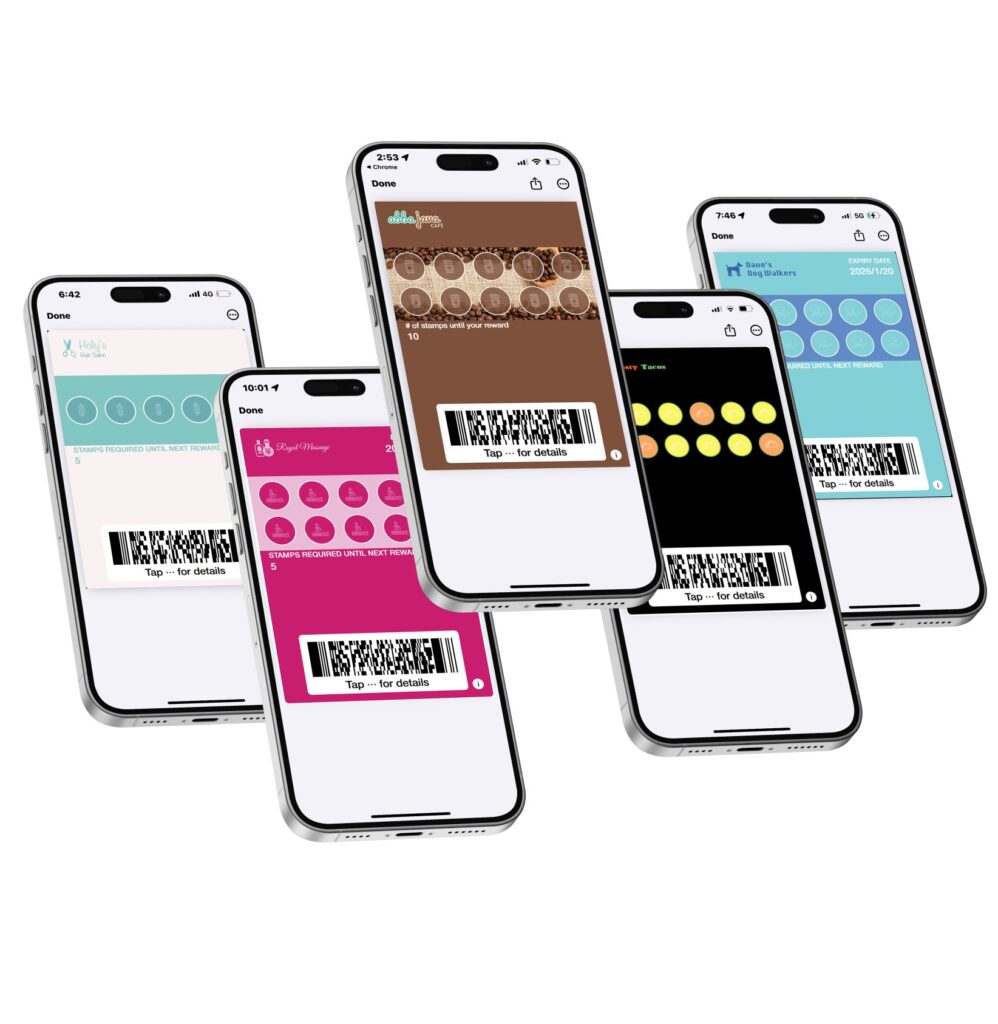
Next, build the card in Loopy Loyalty’s web app. You can customize the card with your logo, colors, images, reward details, location information, and other card content so it looks like part of your store, not a generic template.
That matters because a clear, branded card is easier for customers to recognize and easier for staff to support at checkout.
4. Let Customers Add the Card To Apple Wallet or Google Wallet

Once the card is ready, customers can save it to Apple Wallet or Google Wallet. Loopy Loyalty supports both, so iPhone and Android users can keep the card on their phone without installing an extra customer app. Cards can be shared through a link or QR code, which keeps sign-up simple in store.
This is one of the biggest advantages over paper punch cards. Customers are more likely to use a loyalty card that is already on their phone and easy to find.
5. Launch the Program At Checkout
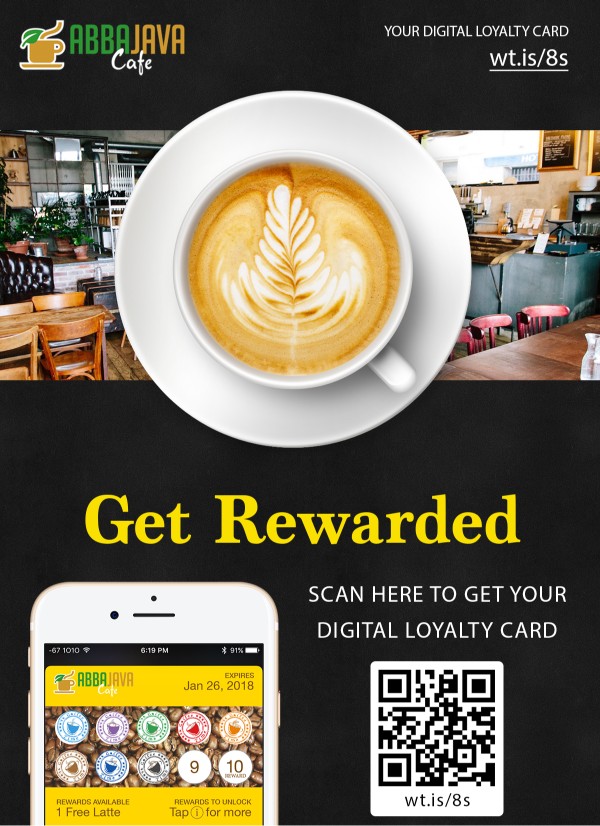
When you are ready to go live, use the card at checkout. Loopy Loyalty’s Stamper app is designed for in-store use, and staff can scan the customer’s card barcode and add stamps quickly. Card design and program setup are handled in the desktop web app.
Keep the rollout simple. Start with one offer, make sure staff know when to stamp and when to redeem, and keep the process quick enough to work during busy trading periods.
6. Send Messages To Customers

Loopy Loyalty also lets you send messages to customers after they join your loyalty program. This gives you a simple way to remind people about the card, promote a small offer, or encourage another visit.
For a convenience store, these messages work best when they are short and tied to something clear, such as a coffee deal, lunch offer, or quieter-day promotion. Used well, they help keep your loyalty program visible without making it more complicated.
7. Track Customer Activity and Improve The Program

Once the program is live, Loopy Loyalty lets you track how it is performing. You can monitor things like:
- customers joined
- stamps issued
- rewards redeemed
- transaction history
- loyalty program ROI and revenue driven, when values are set
Loopy Loyalty’s platform includes loyalty metrics, searchable transaction history, customer segmentation, and ROI tracking, which makes it easier to see whether the offer is working and where it needs adjusting.
Use that data to keep the program simple and effective. If lots of customers join but few redeem, the reward may be too far away. If stamps and redemptions are moving steadily, you are probably rewarding the right repeat purchase.
How to Promote Your Convenience Store Loyalty Program
Once your loyalty program is live, the next job is making sure customers notice it and join it. For a convenience store, promotion works best when it happens in the normal flow of a purchase.
The goal is not a big campaign. It is making the program visible in the places where regular customers are already buying the products tied to the reward.
Promote It At The Checkout Counter
The checkout counter is the most natural place to promote your loyalty program because it is where customers are already completing the purchase. Keep the message short and specific so people understand the value straight away. A simple line such as “Buy 5 coffees, get 1 free” works better than a vague message about rewards.
This also helps the program feel like part of the store experience rather than an extra step. If customers can see the offer clearly while paying, they are more likely to sign up on the spot.
Use Signage and QR Codes
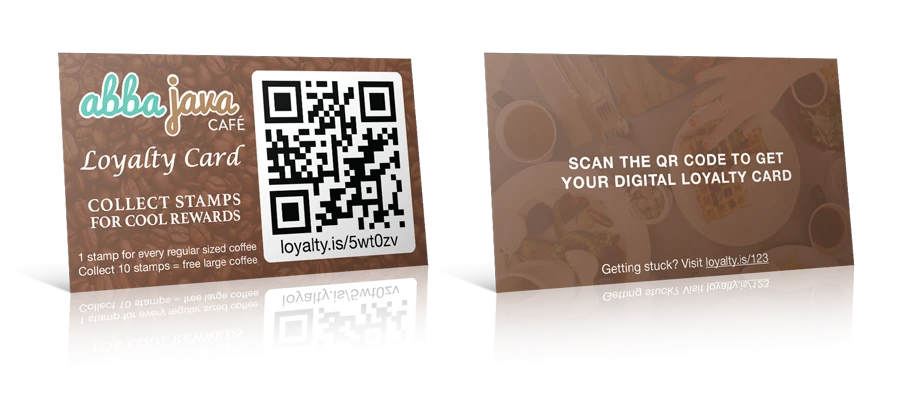
Good signage helps turn regular foot traffic into loyalty sign-ups. Place your offer near the products it relates to, such as the coffee machine, drinks fridge, snack area, meal-deal display, or till. That keeps the message connected to the buying moment.
QR codes make that promotion easier to act on. Instead of asking customers to remember the offer for later, you can give them a quick way to join there and then. The simpler the sign-up path is in store, the more likely customers are to take the next step.
Encourage Staff To Mention it During Purchase
A short staff prompt can make a big difference, especially with regular customers who buy the same products often. Staff do not need to give a long explanation. They just need to mention the offer at the right moment, such as when someone is buying the item linked to the reward.
That keeps promotion practical and consistent. Over time, a quick reminder at checkout can help more customers join the program and start collecting rewards as part of their normal visit.
Common Mistakes to Avoid in a Convenience Store Loyalty Program
A convenience store loyalty program does not need to be complicated to fail. In most cases, the biggest problems come from making the reward too hard to earn, choosing the wrong product to reward, creating too much friction at sign-up, or failing to keep the program visible once it is live.
Making the Reward Too Hard To Earn
If the reward feels too far away, customers are less likely to collect stamps or keep the card.
A convenience store loyalty program works best when the reward feels achievable within normal buying habits, not after a long stretch of purchases.
Choosing the Wrong Product To Reward
Not every product makes a good loyalty offer. If the reward is tied to something customers buy only occasionally, the program will feel slow and forgettable.
Convenience store loyalty works best when it is built around repeat purchases such as coffee, cold drinks, snacks, or lunch items that customers already buy regularly.
Making the Sign-Up Process Too Difficult
If joining the program feels like work, fewer customers will bother. Convenience stores depend on speed, so sign-up should feel quick and easy at the point of purchase.
The less friction there is, the more likely customers are to join and start collecting rewards straight away.
Failing to Promote and Review The Program
Even a good loyalty offer can underperform if customers do not notice it or staff do not mention it. Promotion at checkout, visible QR codes, and regular reminders all help more customers join.
After launch, you also need to review whether people are signing up, collecting stamps, and redeeming rewards so you can spot what needs adjusting.
Frequently Asked Questions About Convenience Store Loyalty Programs
Below are answers to some of the most common questions convenience store owners have when planning a loyalty program.
How Many Purchases Should It Take To Earn a Reward in a Convenience Store?
For a convenience store, the reward should usually feel reachable within a normal buying routine. For high-frequency items like coffee, drinks, or snacks, 5 to 7 purchases is often a sensible range.
That keeps the offer motivating without dragging it out. In food-and-drink loyalty, short earn cycles such as buy five, get one free are common, and c-store guidance favors rewards tied to repeat, high-margin items like coffee or soda.
Can Gas Station Convenience Stores Use The Same Loyalty Approach?
Yes. A gas station convenience store can use the same loyalty approach when the reward is built around shop purchases like coffee, drinks, snacks, or food to go.
That still fits the convenience-store model. NACS includes stores that sell items such as beverages, snack foods, prepared foods to go, and gasoline within the convenience-store sector.
What is the Best Reward For a Convenience Store Loyalty Program?
The best reward is usually a simple free or discounted item that customers already buy often. In most convenience stores, that means products like coffee, fountain drinks, or snacks.
Those rewards work because they are easy to understand and easy to redeem. C-store guidance specifically recommends using member pricing or rewards on high-margin items like coffee or soda rather than on low-margin products.