

Choosing a restaurant loyalty platform should come down to whether the analytics can prove customers actually return more often and redeem rewards.
This guide focuses on what analytics should mean for restaurants, which KPIs matter when choosing a platform, and how to evaluate reporting quality in the first 30 to 60 days. It is written for small to mid size restaurants that want clear insight into repeat visits, return timing, and reward impact from their loyalty program or digital stamp card, instead of relying only on simple counts like sign ups or points issued.
What Loyalty Analytics Should Mean For Restaurants

Loyalty analytics for restaurants should mean using customer data from visits, spend, and reward redemptions to prove that your restaurant loyalty program or loyalty software increases repeat visits and profitable revenue. It should show whether loyalty members visit more often than non members, come back sooner after joining or redeeming, and create stronger long term value for the business.
In simple terms, restaurant loyalty analytics should answer whether guests are coming back more often and spending in a healthier way because of your program. To do that, the platform has to go beyond activity counts like sign ups, cards issued, or stamps given and instead follow visit behavior, transaction history, and redemptions over time so you can see how habits change.
Real loyalty analytics for restaurants should:
- Track visit frequency and time between visits so you can see whether members return faster after joining or after a reward
- Connect redemptions to outcomes so you can see which rewards actually drive an extra visit
- Segment guests into groups such as new members, lapsed regulars, high value fans, locations, and dayparts so you can see how each group responds
- Give directional ROI using visits, average check, and reward cost so owners can see whether the program earns back more than it gives away
- Reveal trends in member behavior so you can spot churn risk, lift after campaigns, and changes in retention and customer lifetime value
For restaurants, the goal is not a pretty dashboard. The goal is a clear line from loyalty activity to guest behavior to revenue so you can show that your restaurant loyalty program is creating more repeat regulars and profitable visits, backed by data instead of guesses.
What Counts As Loyalty Analytics vs Activity Reporting

Activity reporting in a restaurant loyalty platform counts what happened. It shows sign ups, stamps or points issued, emails sent, and rewards loaded. These are volume measures that track totals and trends but do not indicate whether guest behavior actually changed.
Loyalty analytics measure behavior over time. They show whether members return more often, shorten the time between visits, redeem rewards, and retain by cohort or segment.
Reporting alone cannot prove loyalty impact because high activity can still mean no change in guest habits. Analytics reveal whether the program influenced behavior, where it worked, and where it did not.
Activity Metrics That Do Not Prove Loyalty
Vanity activity metrics are numbers that look impressive but do not show that guest behavior has changed. They count how many people touched the program, not whether members visit more often, return faster, or become better customers.
Common vanity activity metrics include
- Total sign ups or members in the program
- Points or stamps issued
- Rewards loaded but not redeemed
- App installs or wallet adds
- Email or SMS opt ins
These metrics create false confidence when comparing loyalty platforms because they can grow even if loyalty is not working. A system can drive a lot of sign ups with discounts, issue huge volumes of points, or push many app installs while guests keep visiting at the same pace they always did.
When operators focus on these counts, they may choose a platform that looks busy in the dashboard but cannot show real lift in repeat visits or guest value.
Which Restaurant Loyalty Analytics Matter Most When Choosing A Platform
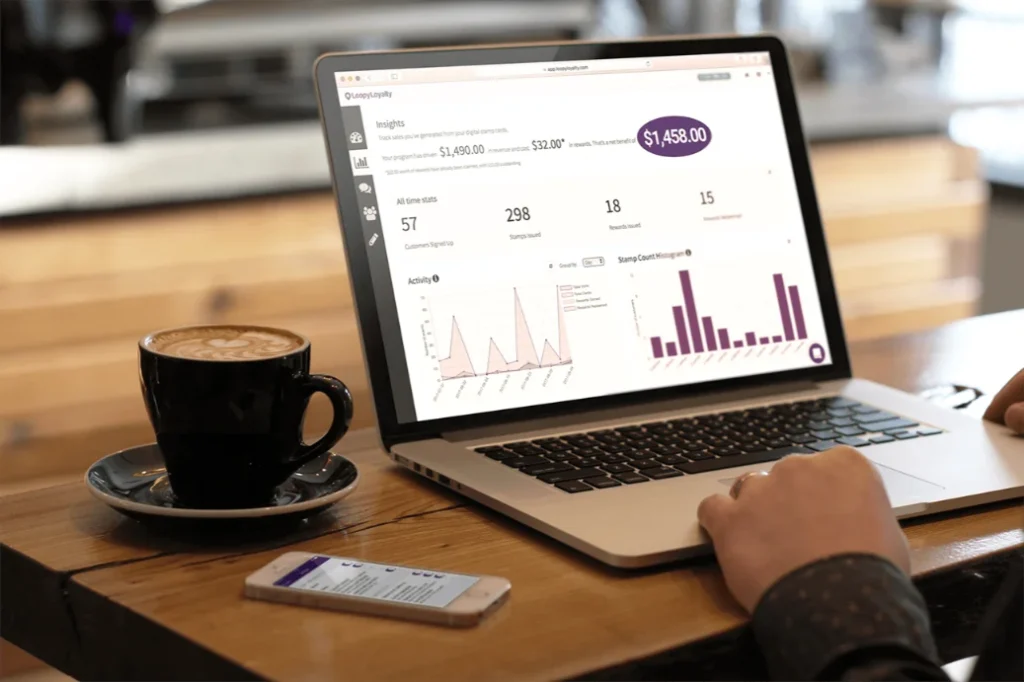
When you compare restaurant loyalty platforms, the most useful analytics focus on how often members return, how quickly they come back, how they use rewards, and whether they stay active over time. These KPIs are what separate real loyalty impact from a busy looking dashboard.
Repeat Visit Rate Before And After Launch By Date Range
Repeat visit rate shows the share of customers or members who come back within a chosen period.
A good loyalty platform lets you compare repeat visit rate before and after launch, and across different date ranges, so you can see whether members are visiting more often once the program is running and whether that improvement holds over time.
Time To Next Visit So You Know How Quickly Guests Return
Time to next visit measures how long it takes for a guest to come back after a visit or after a reward event.
For loyalty, this is critical because shrinking the gap between visits is one of the clearest signs the program is working. The platform should make it easy to see typical return windows for members and whether campaigns or rewards shorten that timing.
Redemption Rate By Reward And By Customer Type
Redemption rate shows how often issued rewards are actually used. Looking at redemption rate by reward type and by customer type tells you which offers members value and which segments engage most. A strong platform lets you break this down so you can stop pushing rewards that members ignore and double down on the ones that drive action.
Breakage Or Unredeemed Rewards And What It Indicates
Breakage is the share of rewards that are earned but never redeemed. If breakage is very high, it can point to problems such as confusing rules, low perceived value, or poor reminder flows.
If it is very low with heavy discounting, it can point to margin risk. The key is that the platform shows breakage clearly so you can adjust the program design instead of guessing.
Offer Performance Which Reward Drives The Next Visit
Offer performance focuses on which specific rewards or promotions are most likely to trigger a next visit.
The analytics should let you connect an offer to a later visit pattern so you can see which incentives pull guests back in and which ones simply give away value. This helps you choose a loyalty platform that can show offer level impact, not just total redemptions.
Cohorts New Vs Returning With Month By Month Retention
Cohort analytics group customers by when they joined or by type such as new versus returning and then follow them month by month.
For loyalty, you want to see whether members stay active over time rather than spiking once and disappearing. A useful platform shows simple retention curves so you can tell if the program is holding on to new members or losing them quickly.
Segmentation By Location Daypart And Staff So Insights Are Usable
Segmentation by location and daypart, and by staff or shift if your system records it, makes the analytics usable for actual restaurant operations.
Managers can see which sites or shifts drive the most repeat visits or effective redemptions and where engagement is weak. The right platform lets you slice loyalty behavior this way without exports, so teams can act on insights at store level, not just at head office.
What A Restaurant Loyalty Platform Should Prove In The First 30 To 60 Days
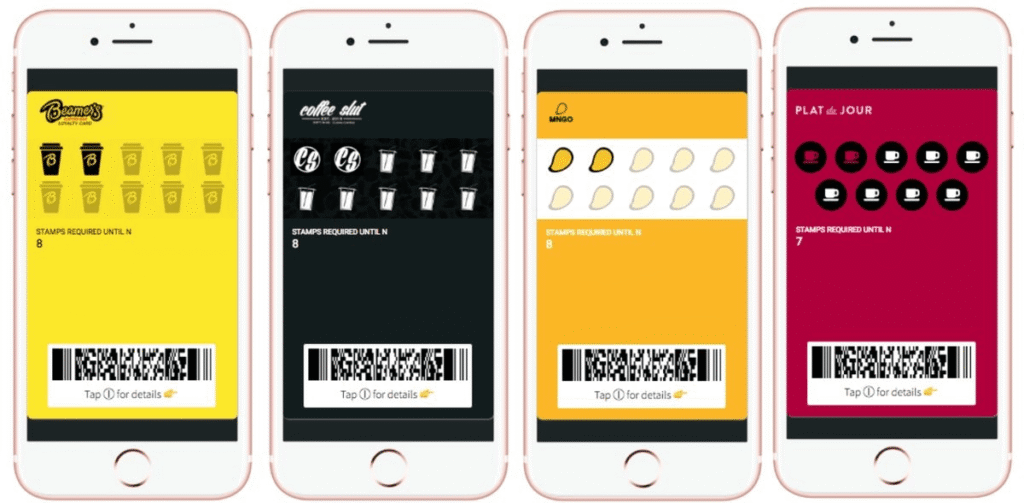
In the first 30 to 60 days, a restaurant loyalty platform should already be giving you directional proof that it can change guest behavior, not just grow a member list.
You are looking for early movement in visit patterns, simple signs of payback, and clear differences between guests who use rewards and those who do not.
Can It Show Increased Visit Frequency Not Just Sign Ups
Early on, the platform should show whether members are starting to visit more often than before. You do not need a full year of data, but you should be able to see whether first, second, and third visits are happening more frequently for members than for non members, or compared with your pre launch baseline.
If all you can see after a month is a big jump in sign ups with no shift in how often people come back, the platform is not proving loyalty impact yet.
Can It Show Directional ROI Without Perfect Attribution
In the first 30 to 60 days you are not chasing perfect attribution. You are looking for directional ROI that indicates the program can pay for itself. The platform should help you estimate whether members are generating extra visits or higher average checks compared with a simple baseline and whether that lift is at least in the same ballpark as the cost of rewards issued.
If the system cannot show even rough relationships between incremental visits, spend, and reward cost, it will be hard to justify the program later.
Can It Compare Redeemers Vs Non Redeemers Outcomes
One of the fastest ways to see if loyalty is working is to compare guests who redeem a reward with guests who do not. A useful platform should let you see, even in the first few campaigns, whether redeemers come back sooner or spend more than similar members who did not redeem.
If redeemers show better visit patterns or engagement, you have early proof that rewards are influencing behavior. If there is no visible difference, or the platform cannot show this comparison at all, it is a warning sign about both the analytics and the program design.
What Data Your Loyalty Platform Should Collect For Reliable Analytics?

To get reliable loyalty analytics, your platform has to capture a small set of specific data points every time guests join, visit, and redeem.
You do not need deep POS integration to be useful. You need clean basics that any visit or stamp based platform can handle and that you can export.
Minimum Data Required Enrollment Source Visits Redemptions
At minimum, the platform should record who joined, where they joined, when they visited, and when they redeemed. That means a unique member record with an enrollment source such as QR, receipt link, wallet pass, or online form, a visit or stamp history with dates, and a record of rewards earned and redeemed.
If the system can tie visits and redemptions back to a member and export that as CSV, you have enough data to measure repeat visits, return timing, and reward usage without full POS integration.
Nice To Have Data Spend Or AOV And Items Only If Needed
Spend or average order value data is useful but not always essential. If your loyalty platform can attach a check total to each visit, you can see whether members spend more than non members and whether certain rewards change spend patterns.
Detailed item level data is only needed if you plan to optimise menu mix or run specific item based offers. Many restaurants can judge loyalty performance from visit counts, basic spend, and redemption behavior without every line item from the POS.
Must Have Consent Messaging Permissions And Privacy Basics
The platform must also track consent and messaging permissions. Each member should have a record of how they joined, which channels they agreed to such as email, SMS, or wallet notifications, and how to change or revoke that permission.
The system should store enough information to respect privacy rules and to target messages only to guests who opted in. Without reliable consent and basic contact data, you cannot safely use analytics to drive campaigns, winbacks, or reminders, even if visit and redemption data is strong.
How To Tell If Loyalty Analytics Are Actionable Not Just Dashboards
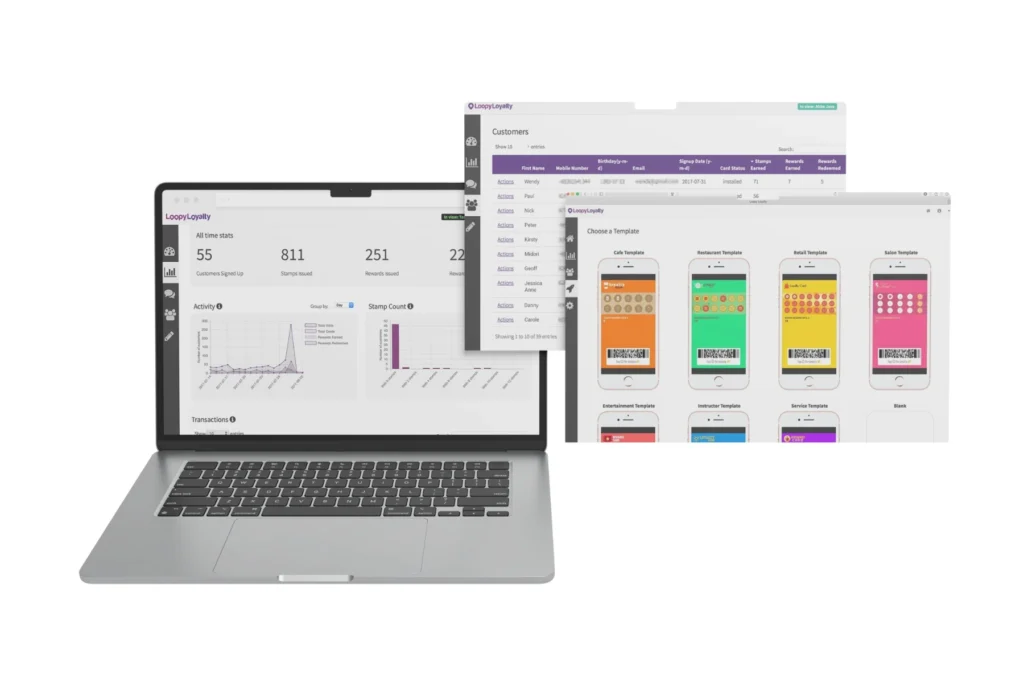
Once you know which loyalty metrics matter, the next step is to decide whether a platform actually lets you use those metrics in real decisions.
Many tools show colorful charts and big numbers, but only some make it easy to see behavior change and act on it. Use this section as a quick filter when you look at screenshots, help docs, or your own account.
Analytics Scorecard The Platform Should Pass
A loyalty platform should make it easy to answer a few core questions in just a handful of clicks. You should be able to see how often members return, how quickly they come back, how they redeem rewards, and how that behavior changes over time.
A useful reporting view will show visits, redemptions, and member trends for a chosen date range with simple filters for location or segment on the same screen, without needing to build custom reports.
If you have to dig through multiple menus or export to a spreadsheet just to see basic visit and redemption patterns, the analytics are not truly actionable.
Questions To Check Before Choosing Loyalty Software For Analytics
Before you commit to any platform, you can learn a lot from the website and support material. Check whether the site or help center shows real report examples that include visit frequency, return timing, and redemptions, not just member counts.
Look for mentions of comparing time periods, filtering by segment or location, and exporting data. A simple test is whether you could point at a screenshot and say, “That is where I would see if members are coming back more often than before.”
If all the examples focus on sign ups and total points issued with no sign of behavior views, it is likely that the analytics will be shallow once you are inside the product.
Can You See Behavior Change In Simple Reports
Actionable loyalty analytics let you see change, not just totals. When you are in the reporting area or looking at examples, check whether there is a view that compares one period to another or shows a trend line over time.
You should be able to spot whether repeat visit rate, time to next visit, or redemption activity has improved after launch or after a campaign.
If reports only show single period numbers without any way to compare before and after, it will be hard to prove that loyalty is influencing guest behavior.
Can Non Technical Staff Use The Reports
In a restaurant, reports are only useful if managers and staff can understand them without help from an analyst. When you look at a platform, ask whether a shift leader or store manager could answer basic questions such as whether members are coming back more often or whether a recent offer changed redemption behavior.
The main reporting views should be readable at a glance, with clear labels and filters, so people on the ground can use them in daily decisions. If the analytics feel like a specialist tool that only head office can interpret, they are less likely to drive action in the business.
Can You Export Clean Data So You Are Not Locked In
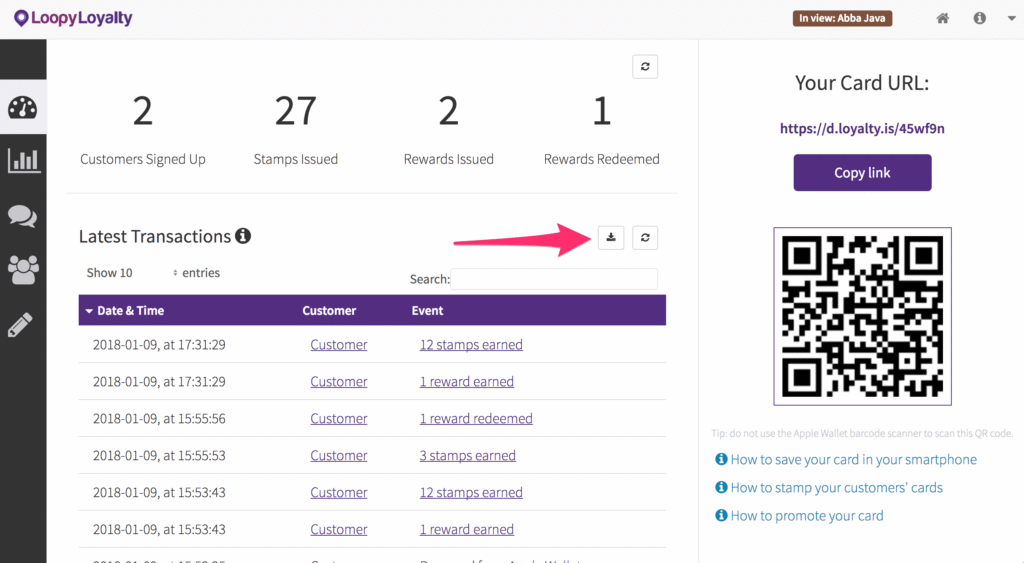
Even with strong built in reports, you should always be able to export your loyalty data. The platform should let you download members, visits or stamps, and redemptions as clean CSV files so you can run deeper analysis later or move to another system without losing history. At a minimum you want:
- CSV export of member records, visit or stamp history, and reward redemptions in a clear column format you can reuse in spreadsheets or other tools
If a vendor avoids talking about export or only offers summary reports without raw data, you risk being locked in to their dashboards with no easy way to reuse your own loyalty analytics.
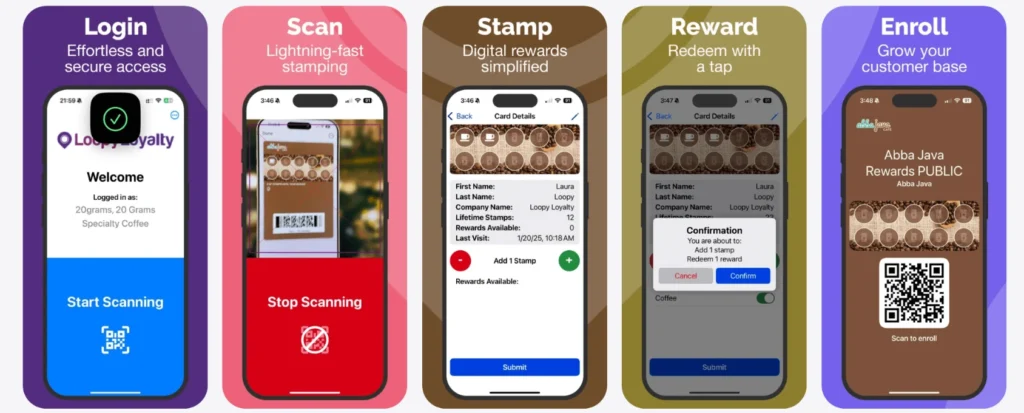
If you want to evaluate this in practice, you can set up a digital punch card with Loopy Loyalty on a 15 day free trial and start collecting visit and redemption data within minutes, with no complex POS setup required.
Frequently Asked Questions About Choosing Loyalty Platforms With Analytics
If you’re comparing loyalty platforms, these quick answers clear up common questions about analytics, data, and evaluation.
Can A Small Independent Restaurant Use Loyalty Analytics Without A Marketing Team?
Yes. The key is choosing a platform with simple, prebuilt views that answer basic questions in a few clicks and do not require custom reporting or specialist skills.
How Often Should Restaurants Review Loyalty Analytics?
Most restaurants benefit from a quick weekly check to spot obvious changes and a deeper monthly review to look at trends, campaigns, and member engagement, then adjust offers or messaging.