
Massage therapy is a repeat-visit business, but even happy clients do not always book their next appointment right away. Many only return when stress, tension, or soreness builds up again, making repeat business less predictable for massage therapists and studios. Since bringing back existing clients is often easier and more cost-effective than finding new ones, encouraging regular visits matters.
A massage loyalty program gives clients a simple reason to come back sooner and more consistently. Instead of relying on frequent discounts, you can reward repeat visits, encourage rebooking, and make your services part of a more regular routine.
In this guide, we’ll look at how to start a massage loyalty program, which loyalty model works best, and which rewards can increase repeat bookings without cutting too deeply into your margins.
Why Massage Businesses Need a Loyalty Program?
Massage businesses need a loyalty program because repeat bookings are not guaranteed, even when clients leave happy. Many clients wait until stress, tension, or soreness returns before booking again, which creates longer gaps between visits and makes retention less predictable.
Wellness loyalty programs help bring clients back sooner, encourages more consistent rebooking, and supports repeat business without relying on frequent discounts.
Repeat Bookings Are Not as Automatic as They Seem
Massage is a repeat-visit service, but repeat visits do not happen automatically. A client can enjoy their appointment, mean to come back, and still wait weeks or months before booking again. Some forget. Others wait until they feel they need another massage.
Those delays add up. When clients do not rebook consistently, it becomes harder to maintain a steady flow of appointments. Even satisfied clients can drift away if there is no reason to return sooner.
Retaining Existing Clients Is More Valuable Than Constantly Finding New Ones
For most massage businesses, steady growth depends on keeping existing clients coming back. New clients matter, but replacing lapsed clients over and over is expensive and inefficient. If too many people book once and never return, the business has to work harder just to keep the calendar full.
Returning clients are more valuable because they already know your service, trust your business, and are easier to convert into repeat appointments. They are also more likely to buy packages, add-ons, or recommend you to others. That makes retention one of the clearest ways to build more reliable revenue.
A Loyalty Program Helps Encourage Rebooking Without Constant Discounting
A loyalty program gives clients a reason to keep coming back without lowering your prices all the time. Instead of offering discounts on every visit, you reward consistency over time.
A massage loyalty program can help you:
- encourage clients to rebook sooner
- increase repeat visits
- reward loyalty without discounting every session
- make regular appointments feel more worthwhile
- give clients a clear reason to choose your business again
That is what makes loyalty programs useful for massage businesses. They help turn good one-off visits into repeat bookings and support stronger long-term client retention.
What Type of Loyalty Program Works Best for a Massage Business
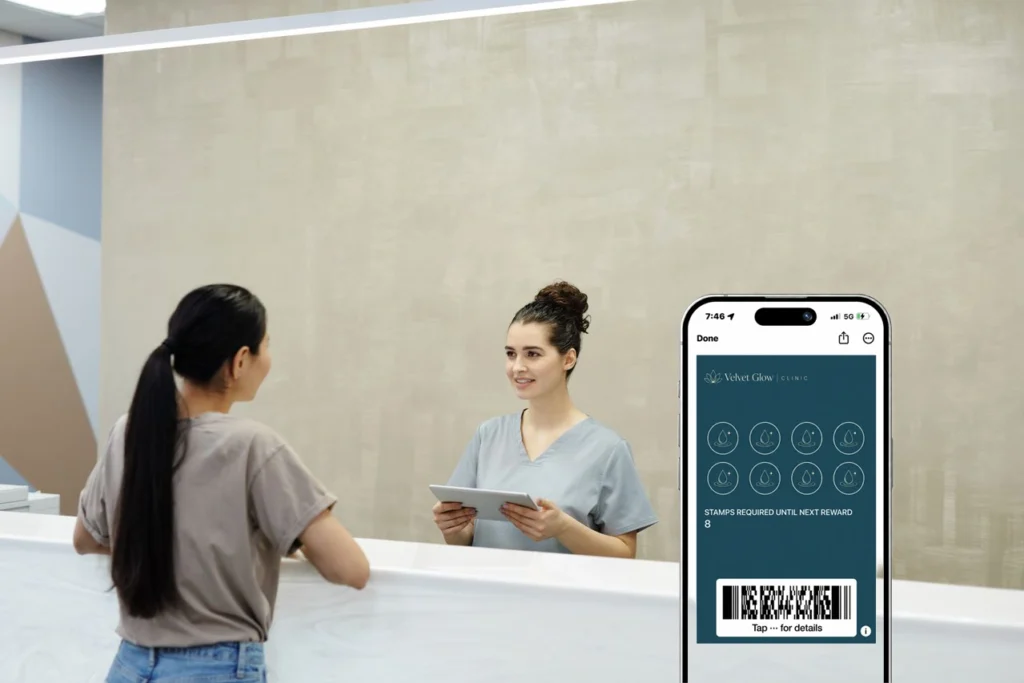
The best loyalty program for most massage businesses is a simple digital stamp card. It is easy for clients to understand, easy for staff to manage, and works well for businesses built around repeat appointments.
Points-based programs can work if you offer a wider range of services and price points, while membership-style programs are better suited to massage businesses with a strong base of regular clients. In most cases, the simpler the program is, the more likely clients are to use it.
Digital Stamp Cards
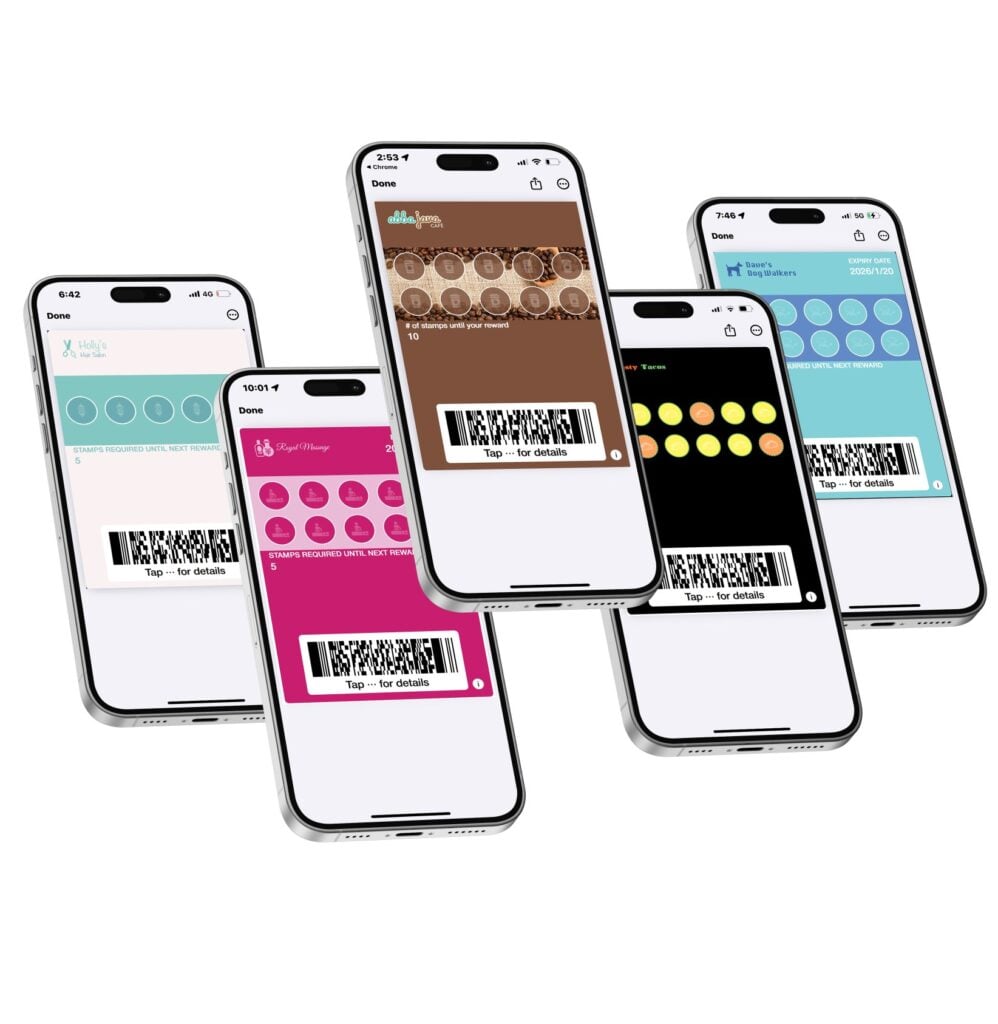
A digital stamp card is the best fit for most massage businesses because it is simple and clear. Clients know exactly how it works: they book visits, collect stamps, and earn a reward after a set number of appointments.
This model works well for massage because the goal is usually to encourage repeat bookings, not to create a complicated reward system. It is also easier to explain at checkout and easier for clients to keep using when the card is stored on their phone instead of in their wallet or purse.
For many massage therapists and studios, that simplicity is the biggest advantage. A loyalty program only works if clients actually understand it and remember to use it.
Points-Based Programs
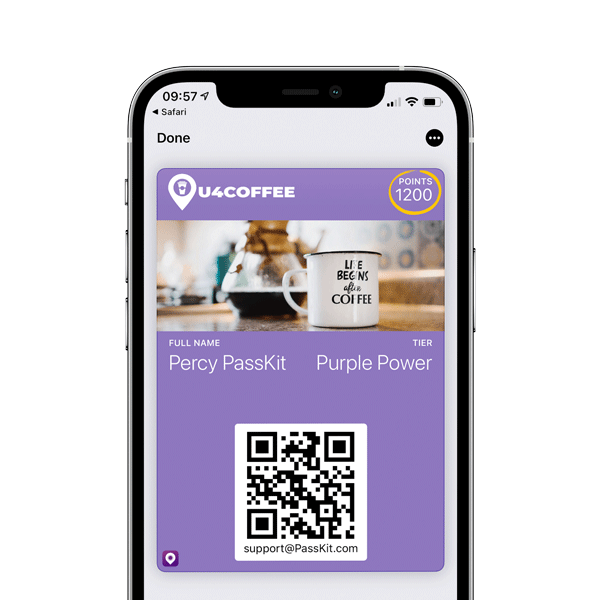
Points-based programs can work for massage businesses, but they are usually better for businesses with more variety in their services. If you offer different treatment lengths, add-ons, upgrades, retail products, or package options, a points system can give you more flexibility.
The downside is that points can feel less clear than stamps. Clients have to understand how many points they earn, what those points are worth, and when they can redeem them. If the system feels too abstract, it becomes less motivating.
That is why points-based programs are often more effective for massage businesses with a broader menu, rather than for smaller practices that want a straightforward repeat-visit model.
Membership-Style Programs
Membership-style programs work best for massage businesses with clients who already come back on a regular schedule. For example, if many of your clients book monthly treatments, a membership can help create more predictable revenue and stronger long-term retention.
A membership model usually offers clients a recurring benefit in exchange for a monthly fee. That might include one massage per month, preferred pricing, or access to exclusive perks.
This can work well, but it also adds more complexity. You need to manage billing, terms, and client expectations carefully. For that reason, memberships are usually a better fit for established massage businesses with a reliable base of repeat clients.
Which Option Is Best for Most Massage Businesses?
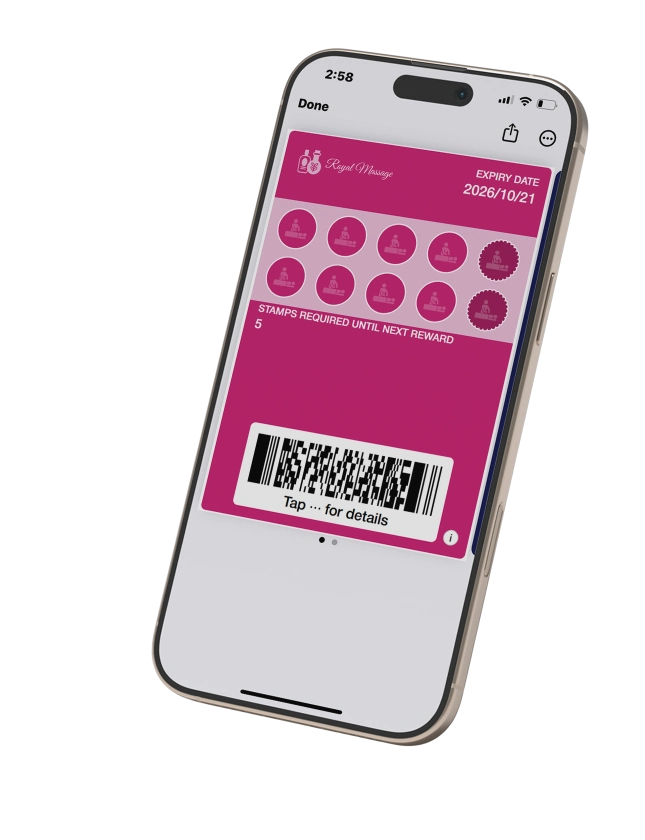
For most massage businesses, the best option is a digital stamp card because it is:
- easy to understand
- easy to promote at checkout
- well suited to repeat appointments
- less complicated than points or memberships
- simple to manage for small businesses
If your main goal is to increase repeat bookings, a digital stamp card is usually the best place to start. It keeps the program clear, encourages consistency, and gives clients a reason to come back without adding unnecessary complexity.
How to Launch Your Massage Loyalty Program
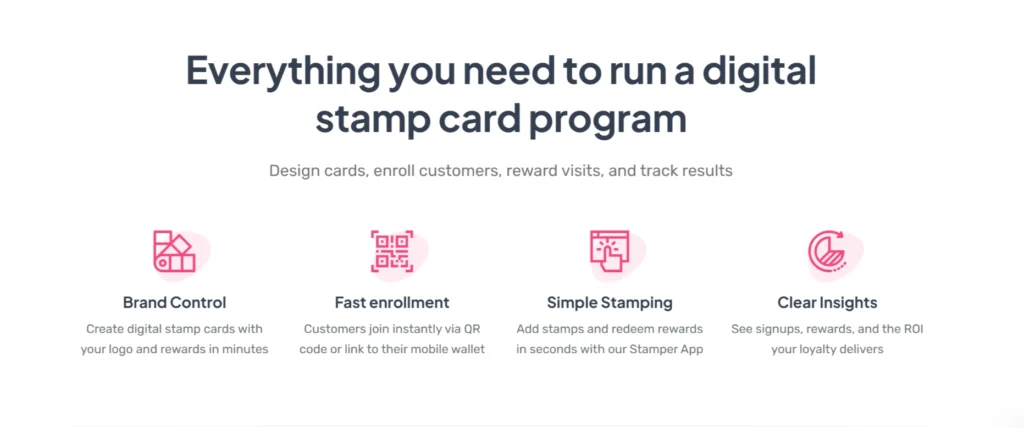
Launching a massage loyalty program works best when the setup is simple from the start. Clients should understand how it works straight away, staff should be able to explain it quickly, and the reward should feel worth earning.
For most massage businesses, the goal is not to build a complicated loyalty system. It is to create a clear reason for clients to come back, rebook sooner, and keep choosing your business over time.
Choose One Clear Retention Goal
Start by deciding what you want the program to improve. For most massage businesses, that means one of three things, increasing repeat visits, encouraging clients to rebook before they leave, or reducing long gaps between appointments.
Keeping the goal specific makes the program easier to launch and easier to explain. If you try to reward too many behaviors at once, the program becomes harder for clients to follow and harder for staff to promote. A loyalty program works best when it is built around one clear retention goal.
Create a Simple Digital Stamp Card
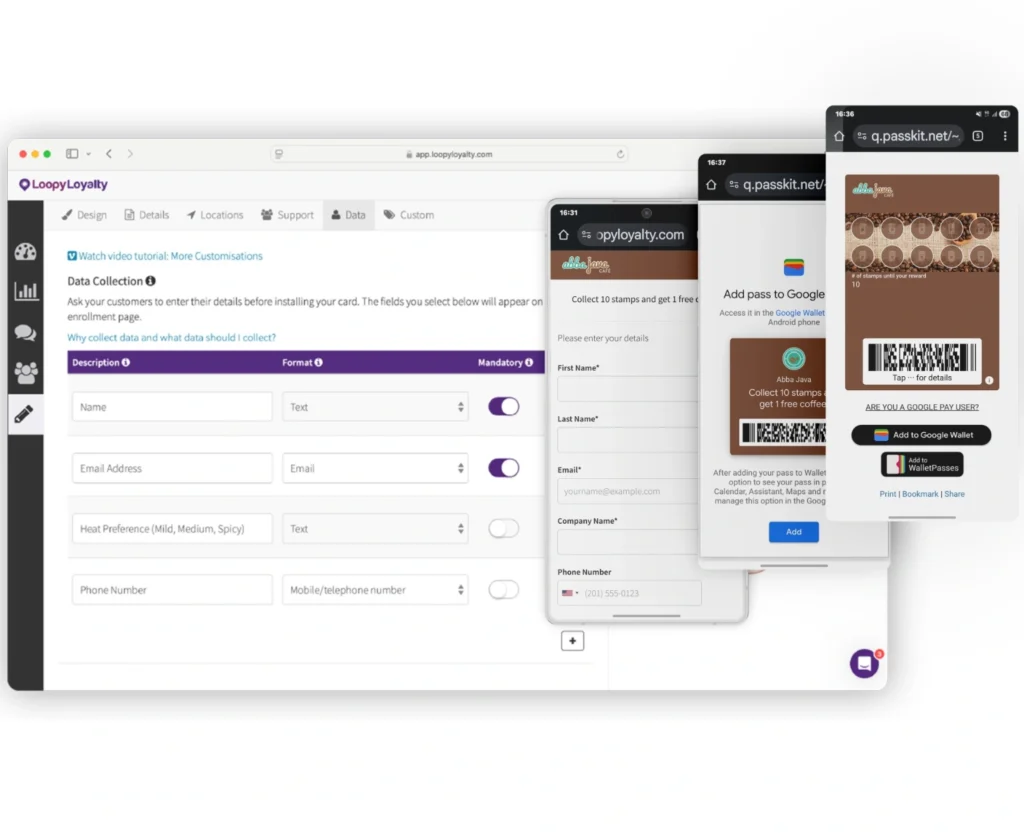
For most massage businesses, a digital stamp card is the easiest way to launch a loyalty program. It is clear, familiar, and well suited to a service built around repeat appointments. Clients know they are working toward a reward, and staff do not need to explain complicated rules or points calculations.
A simple visit-based setup is usually the strongest place to start. For example, a client earns one stamp per appointment and unlocks a reward after a set number of visits. That keeps the program easy to understand and gives clients a visible reason to come back.
Offer a Reward Massage Clients Will Value
The best rewards feel useful without forcing you to discount every appointment. In a massage business, clients often respond better to perks and upgrades than to constant price cuts.
Good reward options include:
- a complimentary add-on such as aromatherapy
- extra treatment time after a set number of visits
- a discounted service upgrade
- a free add-on after five or six appointments
- a reward after completing a treatment package
The key is to choose a reward that feels worthwhile while still protecting your margins. A loyalty program should support repeat bookings without lowering the perceived value of your services.
Make It Easy to Join at Checkout
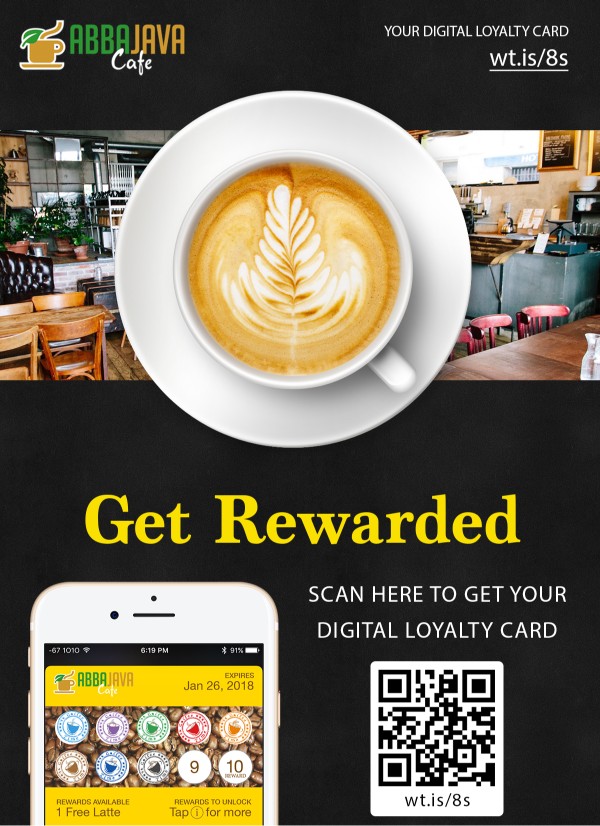
Checkout is usually the best time to introduce the program. The client has just finished their appointment, already feels the benefit of the service, and is more likely to say yes to something simple and relevant.
Keep the explanation short. Staff should be able to explain how the program works in a sentence or two, show the client how to join, and make the process feel quick and natural. If joining takes too long or sounds confusing, fewer clients will sign up.
Use It to Encourage Rebooking

A good massage loyalty program should not only reward past visits. It should also support the next booking. That matters because many massage clients delay rebooking, even when they fully intend to return.
Use the loyalty program as part of the rebooking conversation before the client leaves. When clients know they are already working toward a reward, booking the next appointment can feel more worthwhile and easier to justify. Over time, that helps build stronger repeat-booking habits and shortens the gap between visits.
Keep It Visible Between Appointments
The loyalty program should not disappear once the client walks out the door. It should stay visible between appointments so it continues to support repeat business.
You can do that by mentioning it in follow-up messages, adding it to booking reminders, and making sure it appears on your website or booking pages. The goal is to keep the program in front of clients during the period when they might otherwise forget to book again.
A massage loyalty program does not need to be complicated to work well. If it is easy to join, easy to understand, and tied closely to repeat visits and rebooking, it can become a practical part of how your business keeps clients coming back.
FAQs About Massage Loyalty Programs
If you are still deciding how to set up your massage loyalty program, these common questions can help. Below, we answer some of the most practical questions about rewards, repeat visits, and how to make a loyalty program work for a massage business.
How Many Visits Should It Take for Clients to Earn a Reward?
For most massage businesses, a reward should feel achievable without coming too quickly. A good starting point is after five or six visits, because that gives clients a clear target while still leaving enough room to protect your margins. If the goal feels too far away, clients may lose interest before they ever reach it.
The right number depends on your pricing, the type of reward you offer, and how often your regular clients usually book. A smaller perk may justify a shorter path to reward, while a more valuable reward may need a longer one. The best setup is one that feels realistic for clients and sustainable for the business.
What Rewards Work Best in a Massage Loyalty Program?
The best rewards are the ones clients genuinely value without forcing you to discount every appointment. In most massage businesses, that means offering a perk tied to the treatment itself, such as aromatherapy, extra treatment time, a discounted upgrade, or a free add-on after a set number of visits. These rewards feel relevant and easy for clients to understand.
That approach also helps protect the value of your services. A loyalty program should encourage repeat bookings, not train clients to expect a lower price every time they visit. In most cases, a useful upgrade or add-on will feel more appealing than a small discount and will be easier for the business to manage over time.
Should a Massage Business Use a Loyalty Program or Package Deals?
A loyalty program and a package deal serve different purposes. A loyalty program is better for encouraging repeat visits over time because it gives clients an ongoing reason to come back. A package deal works better when you want clients to commit to multiple appointments in advance.
Some massage businesses use both, but they should not do the same job. A package can help secure short-term commitment, while a loyalty program helps build longer-term rebooking habits. If you want a flexible option that is easy to introduce, a loyalty program is usually the better place to start.
Can Solo Massage Therapists Run a Loyalty Program?
Yes, and in many cases a loyalty program is even easier for a solo massage therapist to manage. There are fewer moving parts, the service offering is usually simpler, and the person explaining the program is often the same person delivering the treatment. That can make the experience feel more personal and more consistent for clients.
The key is to keep the program simple. A solo therapist does not need multiple reward tiers or a complicated points system. A straightforward digital stamp card with a clear reward after a set number of visits is usually enough to encourage repeat bookings without creating extra admin work.
How Do You Stop a Massage Loyalty Program From Hurting Your Margins?
The best way to protect your margins is to avoid discounting every appointment. Instead, reward loyalty over time with benefits that feel valuable but do not reduce the price of your core service too often. Add-ons, bonus treatment time, and service upgrades usually work better than repeated discounts.
It also helps to choose a reward threshold that makes financial sense. If clients earn a reward too quickly, the program becomes expensive to maintain. If they have to wait too long, the program loses momentum. A strong massage loyalty program finds the balance between motivating repeat visits and protecting the value of the business.
When Should You Invite Clients to Join a Massage Loyalty Program?
The best time to invite clients to join is usually at checkout, right after the appointment. At that point, the client has just experienced the service, already feels the benefit of it, and is more likely to respond well to a simple loyalty offer. The program feels relevant because it is tied directly to the visit they have just had.
This moment also creates a natural opening for rebooking. Once a client joins the loyalty program, it becomes easier to explain how the next appointment moves them closer to a reward. That makes the offer feel practical rather than promotional and gives the client a stronger reason to book again sooner.