


Most affiliate content pushes people toward crowded niches like fashion, supplements, finance, travel, and ecommerce. Those programs can pay, but they’re hard to stand out in. If you create content for small business owners, loyalty software gives you a cleaner angle. It helps solve the problem every local business understands, which is getting customers to come back more often.
That makes it a strong fit for affiliates, bloggers, creators, and educators who speak to cafes, bakeries, salons, pet businesses, fitness studios, and local retailers. The right approach is to match the software to a specific small business audience, then show why a simple loyalty tool fits their day-to-day customer retention problem.
Why Loyalty Software Is A Strong Affiliate Niche
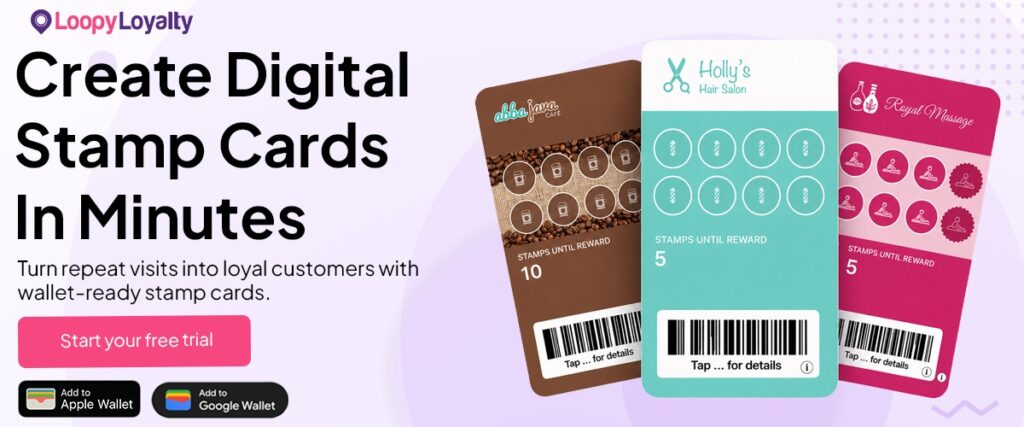
Loyalty software works well for affiliates because the value is easy for small business owners to understand. They already know repeat customers matter. The affiliate’s job is to show how a simple loyalty tool turns that goal into a practical next step.
- It Fits Small Business Audiences: Businesses with regular customers need simple ways to encourage repeat visits.
- It Is Easy To Explain: Most owners already understand punch cards, rewards, and customer retention, so affiliates do not need to explain why loyalty matters.
- It Creates Useful Content Angles: Affiliates can create guides around repeat customer strategies, local marketing, simple rewards, customer follow-up, and customer retention tools.
- It Matches Clear Buying Intent: Small business owners searching for loyalty tools are usually looking for a way to bring customers back, not just browsing products.
- Fits A Clear Business Need: This is why the topic can work for people comparing affiliate marketing programs for small businesses, recurring affiliate programs, or high paying affiliate programs. The offer is tied to a practical problem, not a vague product pitch.
That combination makes the offer easier to promote with helpful content. Instead of forcing a product link into a generic roundup, affiliates can connect the recommendation to a problem their audience already wants to solve, which is bringing existing customers back more often.
For affiliates, that matters because a qualified Loopy Loyalty referral can earn up to $285 in commission for each new subscriber while still recommending something useful to small business owners.
Who Should Promote Small Business Loyalty Software

Small business loyalty software is best for affiliates who already reach business owners through useful content. The strongest fit is someone who can show cafe owners, salon owners, gym owners, pet businesses, retailers, and other local operators why repeat visits should be part of their marketing.
Content matters because the product needs context. A business owner is more likely to consider the tool when it appears inside a helpful guide, tutorial, newsletter, video, or resource list that speaks to a problem they already have.
Bloggers With Small Business Audiences
Bloggers are a strong fit when they write about local marketing, customer retention, ecommerce, business tools, or industry-specific growth advice. A loyalty tool can sit naturally inside guides about repeat customers, simple rewards, customer retention, and small business marketing.
This makes the topic a good match for people researching affiliate programs for bloggers or affiliate marketing programs for small businesses. The recommendation feels useful when it supports the article instead of sitting there as another product link.
Social Media Marketers, SEO Creators, And Content Creators
Social media marketers and SEO creators can promote this kind of tool when their audience includes business owners rather than general consumers. It works well for people sharing local SEO tips, Google Business Profile advice, small business marketing ideas, cafe growth content, salon marketing tips, or retail promotion ideas.
This is where affiliate programs for influencers and affiliate programs for micro influencers can make sense. A smaller creator with a focused small business audience may send better referrals than a large account with no clear business niche.
Newsletter Writers And Community Owners
Newsletter writers and community owners often have more trust than broad search traffic. If they run a small business newsletter, Facebook group, Slack community, or private membership, they can recommend a loyalty tool inside resource lists, marketing tips, and retention-focused content.
This works best when the recommendation is tied to a specific business problem. A cafe newsletter could mention loyalty software in an issue about repeat visits, while a retail community could include it in a discussion about bringing customers back after their first purchase.
Course Creators And Small Business Educators
Course creators and educators can include a customer retention tool inside lessons, templates, resource lists, and bonus materials. It fits especially well in content about local SEO, cafe growth, salon marketing, retail operations, customer retention, and small business marketing.
Virtual assistants can also fit if they publish templates, checklists, or tutorials for business owners. The fit is weaker when the audience is other virtual assistants, and stronger when the content helps small businesses improve marketing, retention, or daily operations.
Marketing Consultants And Agencies With Content Audiences
Marketing consultants and agencies can be a fit if they publish blogs, videos, webinars, email lessons, or guides for small business owners. Their content gives them a natural place to explain why a loyalty tool belongs in a local business marketing stack.
The best referrals will come from content that helps business owners understand the value of customer retention before pointing them toward a loyalty tool. This keeps the recommendation useful and keeps the affiliate angle connected to a real business need.
Which Small Business Industries Should Loyalty Software Affiliates Target
The strongest niches for loyalty software affiliates are small businesses that depend on repeat visits, repeat bookings, or repeat purchases. Cafes, bakeries, salons, gyms, pet businesses, wellness studios, and local retailers all give affiliates a clear way to connect loyalty software to customer retention.
Niche content usually works better than broad business tool content because the reader can see the use case right away. Someone writing for bakery owners, salon owners, pet groomers, or gym owners can show how repeat visits affect that exact type of business.
Cafes, Bakeries, And Food Businesses

Food businesses are one of the strongest angles because repeat visits drive daily revenue. Affiliates writing for bakery, food, coffee, or cooking business audiences can introduce a loyalty tool through content about repeat customers, simple rewards, and local marketing.
This works well for audiences that include bakery owners, cafe owners, coffee shop operators, food trucks, restaurants, and grocery stores. The section should stay affiliate-led, so the recommendation supports the reader’s content strategy without becoming a full food business loyalty guide.
Health, Wellness, Fitness, And Yoga Businesses
Wellness and fitness businesses depend on repeat bookings, classes, memberships, and regular visits. That makes the topic a natural fit for affiliates writing about health and wellness affiliate programs, fitness affiliate programs, yoga affiliate programs, or sauna and wellness business ideas.
Good audience examples include massage studios, spas, gyms, yoga studios, saunas, and wellness clinics. These businesses already depend on customers returning, which makes loyalty software easy to explain in content about retention and repeat visits.
Pet Stores, Groomers, And Dog Businesses
Pet businesses are a good fit because many customers return on a routine schedule. Grooming, dog washing, pet supplies, training, and local pet services all create natural opportunities for rewards and repeat-visit content.
Affiliates targeting pet affiliate programs, affiliate programs for dog products, or dog food affiliate programs can use customer retention as the business tool angle. That keeps the recommendation focused on helping pet businesses bring customers back, rather than turning the content into a pet product roundup.
Beauty, Hair, And Personal Care Businesses

Beauty and personal care businesses rely on repeat appointments. Salons, barbers, nail studios, brow studios, spas, and similar businesses need clients to come back every few weeks, which makes customer retention easy to explain.
This can support searches around beauty affiliate programs, best beauty affiliate programs, and hair product affiliate programs when the content stays focused on service businesses. The strongest angle is repeat bookings, not beauty product reviews.
Retail, Ecommerce, And Local Shops
Retail affiliates can target local shops and ecommerce brands that care about repeat buyers. Boutiques, gift shops, bookstores, convenience stores, grocery stores, and niche retailers can all use loyalty content to encourage another visit or purchase.
This is where retail, ecommerce, and grocery affiliate content can fit naturally. The cleaner angle is helping stores bring customers back, not comparing retail platforms or affiliate networks.
Home Decor And Home Improvement Businesses
Home decor and home improvement audiences work when the focus is local retail. Garden centers, hardware shops, furniture stores, flooring stores, and home decor boutiques often have seasonal shoppers and repeat buyers.
Affiliates writing for home decor audiences or home improvement businesses can frame the recommendation around future projects, seasonal offers, and repeat purchases.
Sports, Lifestyle, And Community Businesses
Sports, lifestyle, and community businesses work best when the audience is local and relationship-driven. Good examples include sports clubs, dance studios, martial arts schools, yoga communities, fitness studios, and wellness shops.
This gives affiliates a cleaner way to cover sports, lifestyle, and spiritual audiences while keeping the article grounded in small business use cases. The focus should stay on local communities where repeat visits, memberships, and long-term customer relationships matter.
What Content Should Affiliates Create To Promote Loyalty Software

Affiliates should create content that starts with one small business problem. The link should come after the advice. When the content helps a business owner fix weak rebooking, quiet days, low repeat purchases, or poor customer follow-up, the loyalty tool feels like a useful next step.
Niche Guides Built Around One Business Problem
Niche guides work when they focus on one business type and one pain point. A cafe guide could focus on bringing first-time customers back. A salon guide could focus on rebooking. A pet grooming guide could focus on rewarding regular visits.
This gives affiliates a natural way to connect searches like baking affiliate programs, food affiliate programs, pet affiliate programs, beauty affiliate programs, and retail affiliate programs to a small business tool instead of another product roundup.
Content About One Retention Problem
Articles and videos about retention give affiliates a strong reason to introduce a loyalty tool. Topics like slow weekdays, missed appointments, second purchases, customer rewards, and follow-up after a first visit all work well.
The content should lead with the issue the business owner is trying to fix. The recommendation becomes stronger when it appears as part of the solution, not as the reason the content exists.
Tool Lists, Resource Pages, And Niche Roundups
Affiliates can include a loyalty tool in resource pages and niche roundups for specific small business audiences. A page for cafe owners, wellness studios, pet shops, local retailers, or home decor stores can mention it alongside other useful resources.
Focused roundups are usually stronger than broad software lists. They speak to one audience, which makes the recommendation easier to trust.
Use Case Walkthroughs Instead Of Generic Reviews
Review content can work, but only when it shows a real use case. A generic feature review is weaker than a walkthrough showing how a salon, pet groomer, gym, or local shop could use the tool during a normal week.
The strongest walkthroughs help the reader picture the product inside their own business. That makes the recommendation feel practical instead of abstract.
Templates, Checklists, And Campaign Ideas
Creators and educators can promote a loyalty tool through assets their audience can use. Customer retention checklists, reward planning templates, and campaign idea lists give readers something useful before they click.
This format works well for course creators, newsletter writers, SEO creators, and small business educators because the recommendation becomes part of the learning process.
Social Media Content For Small Business Audiences

Social content should focus on one clear business moment. A creator could show how a cafe brings back morning customers, how a salon encourages rebooking, or how a pet groomer rewards regular clients.
Short videos, carousel posts, LinkedIn tips, and YouTube Shorts can all work. This fits affiliate programs for influencers and affiliate programs for micro influencers when the creator has a focused small business audience.
Newsletter And Community Mentions
Newsletter and community mentions work best when the recommendation appears inside useful advice. A small business newsletter could mention the tool in a customer retention tip, while a private group could mention it in response to a question about repeat visits.
The mention does not need to be long. It just needs to connect the reader’s problem to a tool that helps solve it.
The best affiliate content starts with the small business problem, then introduces the loyalty tool as the practical next step.
Promote A Loyalty Tool When It Fits The Problem
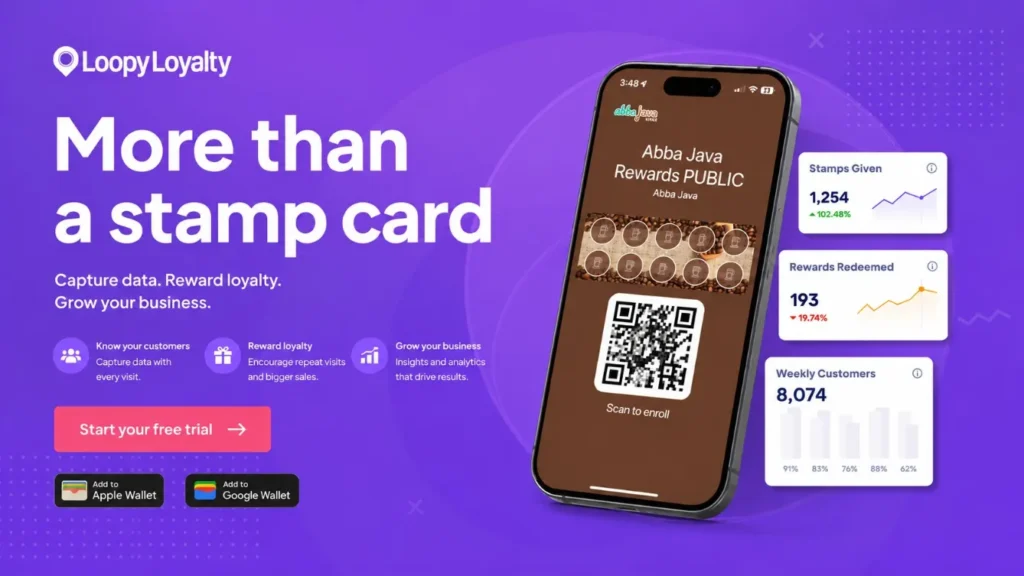
Affiliates do not need to force loyalty software into every piece of small business content. The recommendation works best when the reader is already thinking about repeat visits, rebooking, customer rewards, or bringing first-time buyers back.
That is where Loopy Loyalty fits naturally. If your audience includes small business owners, you can recommend a loyalty tool that matches the problem they are trying to solve and earn from a referral that makes sense for the reader.
Start with the audience you know best. Build content around the retention problems they already care about. Then introduce Loopy Loyalty when it is the useful next step, not just another affiliate link.