


Independent bookstores thrive on repeat customers, but loyalty is not always as automatic as it seems. Some shoppers come in for one specific title and do not return for weeks, while others browse regularly but buy inconsistently. That can make it harder to build steady foot traffic and turn occasional purchases into long-term customer habits.
A bookstore loyalty program gives customers a clear reason to come back more often. Instead of relying only on discounts, you can reward repeat purchases, encourage regular visits, and make your store part of a reader’s routine. In this guide, we’ll look at how to create a bookstore loyalty program, which rewards work best, and how to keep it simple and effective.
What Is a Bookstore Loyalty Program?
A bookstore loyalty program is a simple way to reward customers for coming back and buying again.
In most cases, it gives shoppers a clear benefit after repeat purchases, repeat visits, or other actions that matter to the store. For independent bookstores, the goal is not just to increase one-off sales.
It is to encourage regular buying habits, strengthen customer loyalty, and make the store part of a reader’s routine.
How Bookstore Loyalty Programs Work
A bookstore loyalty program gives customers something easy to work toward every time they shop. That might mean collecting stamps after each purchase, earning a reward after buying a certain number of books, or unlocking a perk after several visits. The best programs are simple enough that customers understand them immediately and can see the value without needing a long explanation.
For most independent bookstores, straightforward loyalty models work best. A customer buys a book, collects progress toward a reward, and has a clear reason to come back. The easier the program is to join, track, and use, the more likely it is to become part of the customer experience instead of something shoppers forget about.
Why Bookstores Use Loyalty Programs
Bookstores use loyalty programs to encourage repeat purchases and build stronger customer habits over time. Many customers do not buy books on a fixed schedule, so loyalty helps create a reason to return sooner rather than later. That can be especially useful for stores that want to increase repeat foot traffic, stay visible between purchases, and build stronger long-term relationships with readers.
A good loyalty program can also help bookstores reward the kinds of behavior that matter most. That could include frequent purchases, repeat visits, gift buying, children’s book shopping, or returning for launches and events. Instead of treating each purchase as a one-off sale, the store gives customers a stronger reason to keep coming back.
What Makes a Bookstore Loyalty Program Different From a Generic Retail Program

A bookstore loyalty program should reflect how people actually shop for books. Some customers visit often but buy only occasionally. Others shop heavily during holiday periods, buy gifts, follow new releases, or return for author events and book clubs. That means bookstore loyalty often works best when it rewards repeat engagement and repeat purchases, not just total spend.
A good bookstore loyalty program should account for behaviors such as:
- browsing that leads to later purchases
- repeat visits, not just larger basket size
- gift buying during key seasonal periods
- children’s book shopping
- author events, launches, and book clubs
That is what makes bookstore loyalty different from a generic retail program. A bookstore is not just selling products. It is building habits, discovery, and community. The best loyalty programs support those behaviors while staying simple enough for customers to understand and use regularly.
What a Good Bookstore Loyalty Program Should Reward
A good bookstore loyalty program should reward the kinds of behavior that bring customers back and make your store part of their routine.
For independent bookstores, that usually means looking beyond one-off sales and focusing on repeat purchases, regular visits, seasonal buying, and community participation. The goal is not to reward everything. It is to reward the habits that matter most to how people actually shop for books.
Frequent Purchases
Frequent purchases are one of the clearest signs of loyalty in a bookstore. Some customers come back for new releases, buy from favorite authors, shop regularly for children’s books, or pick up gifts throughout the year. A loyalty program should reward that kind of steady buying behavior because it helps turn repeat customers into long-term regulars.
This is where simple rewards work especially well. When customers know each purchase moves them closer to a reward, the program feels easy to understand and worth using. That kind of consistency is often more valuable than pushing customers toward one larger sale.
Repeat Visits, Not Just Total Spend
A bookstore loyalty program should not focus only on how much customers spend. In bookstores, visits matter too. Some shoppers browse first and buy later. Others stop in regularly to see new displays, check staff picks, or look for recommendations before deciding what to buy.
That is why a good bookstore loyalty program should reflect repeat foot traffic as well as repeat purchases. A bookstore is often part of a customer’s routine, and the loyalty program should support that pattern. If the program only rewards bigger transactions, it can miss the kinds of customer habits that matter most in independent retail.
Seasonal Shopping and Gift Buying
Bookstore shopping patterns often change throughout the year. Some customers buy more during holiday periods, back-to-school season, or special occasions when they are looking for gifts. A good loyalty program should leave room for that kind of behavior instead of treating loyalty as the same every month.
Rewarding seasonal shopping can make the program more useful and more realistic. A customer who returns during key buying periods, shops for gifts, or comes back for themed promotions is still showing valuable loyalty. Recognizing that helps the store stay relevant during important sales windows and gives customers another reason to choose it again.
Community Behaviors Such as Events and Book Clubs

Independent bookstores offer more than products on shelves. They often host author events, support book clubs, run children’s activities, and create a sense of community that larger retailers cannot easily match. A strong bookstore loyalty program should reflect that side of the business as well.
A good bookstore loyalty program can reward behaviors such as:
- returning for author events and launches
- joining book clubs or recurring store events
- coming back for children’s activities
- engaging with the store as part of a regular reading habit
The best bookstore loyalty programs reward the behaviors that already make independent bookstores valuable. They support repeat purchases, regular visits, seasonal buying, and community participation in a way that feels natural, relevant, and easy for customers to understand.
How to Create a Simple Bookstore Loyalty Program
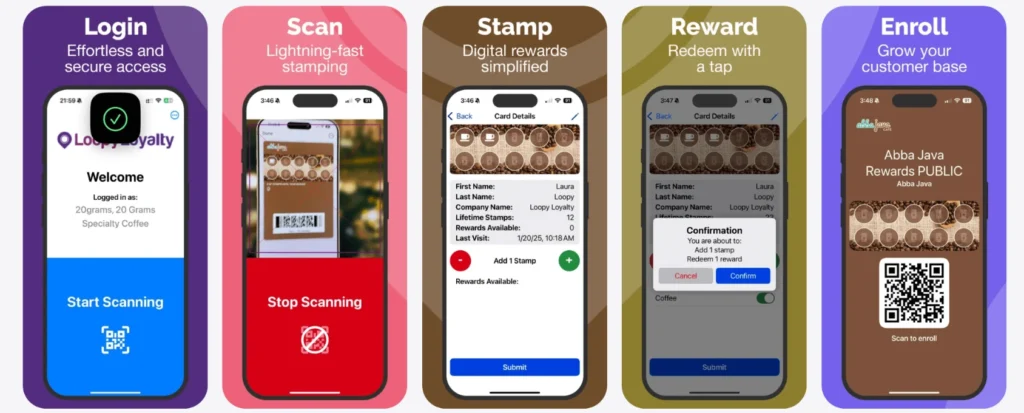
A bookstore loyalty program works best when customers understand it immediately and staff can explain it without slowing down checkout.
The simpler the setup, the easier it is to use consistently. That matters in bookstores, where customers may browse, buy on impulse, shop seasonally, or return after a gap.
Choose One Clear Reward Format
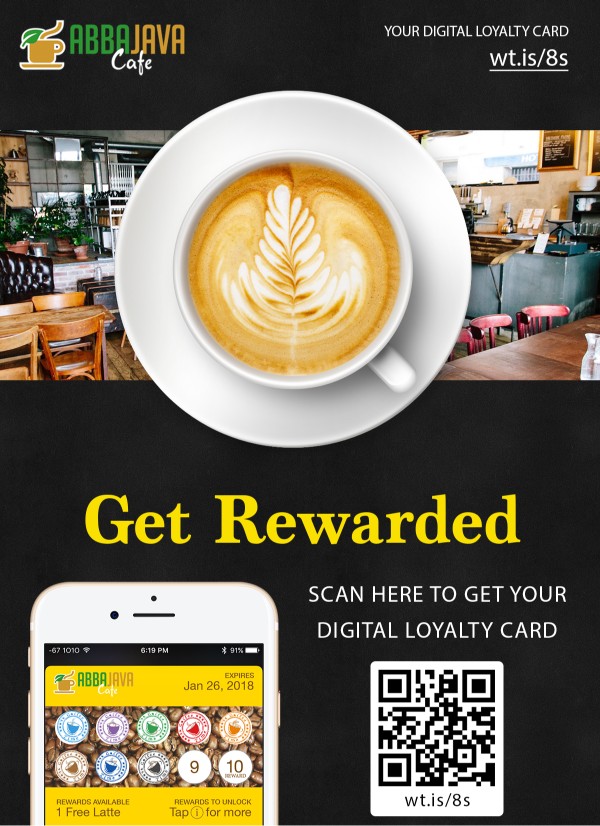
Pick one format and stick with it. A bookstore loyalty program does not need multiple earning systems, separate tiers, or different rules for different types of customers. For most bookstores, a simple digital stamp card is the clearest option because it gives customers one easy path from purchase to reward and keeps the program easy for staff to explain at checkout.
Loopy Loyalty is built around that kind of simple digital stamp card setup, with cards customers can save to Apple Wallet or Google Wallet and a 15-day free trial to test the program before subscribing.
A single format keeps expectations clear. If customers can tell how the program works after one quick explanation, they are far more likely to use it. That matters in a bookstore, where the loyalty offer should feel like a natural part of the purchase, not something that needs a long explanation every time.
Make the Reward Easy to Understand
Customers should know exactly what they are working toward. If the reward feels vague or the value is hard to grasp, the program becomes less memorable and less motivating.
The best rewards are clear from the start. Customers should be able to understand the benefit quickly and decide just as quickly that it is worth earning.
Keep the Path to Reward Short and Clear

A loyalty program should feel achievable. If progress takes too long, customers stop paying attention. If the reward comes too quickly, the program can lose value.
The right balance is a reward path that feels realistic for the way bookstore customers actually shop. People should be able to see steady progress without needing to make too many purchases before anything happens.
Make Joining Quick and Low-Friction
Joining should feel like part of a normal purchase, not a separate task. If signup takes too long or asks for too much, customers are more likely to skip it.
That is especially important in a bookstore, where checkout is often calm and conversational. A simple join process helps staff introduce the program naturally and makes it easier to turn interest into action.
Avoid Complicated Rules and Exceptions
Complexity usually shows up in the rules. A bookstore loyalty program becomes harder to use when customers have to remember things like:
- which purchases count toward rewards
- whether some items are excluded
- different rules for different reward types
- limited-time exceptions
- extra conditions that need to be explained at checkout
A simpler program is easier for customers to trust and easier for staff to apply consistently. Clear rules reduce confusion and make the program feel more reliable.
Keep the Program Visible Between Visits

A loyalty program should not disappear after signup. Customers need reminders, especially when they may not return every week.
That visibility can come from in-store prompts, checkout reminders, and follow-up messages that keep the program connected to the bookstore experience. If customers keep seeing it, they are more likely to remember it when they are ready to buy again.
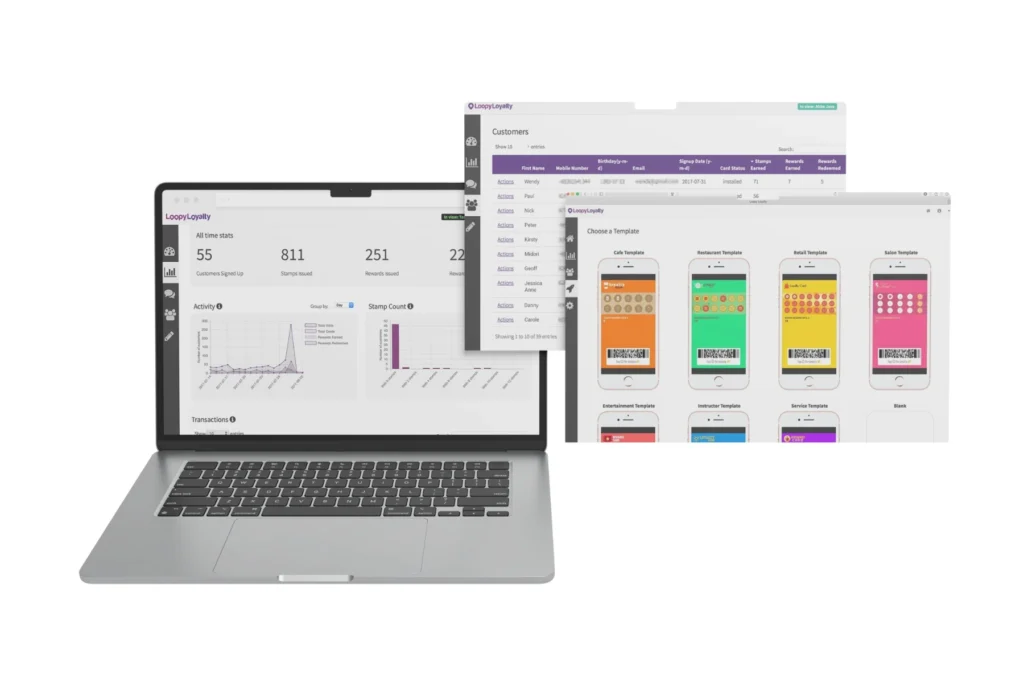
Track What Is Working With Analytics
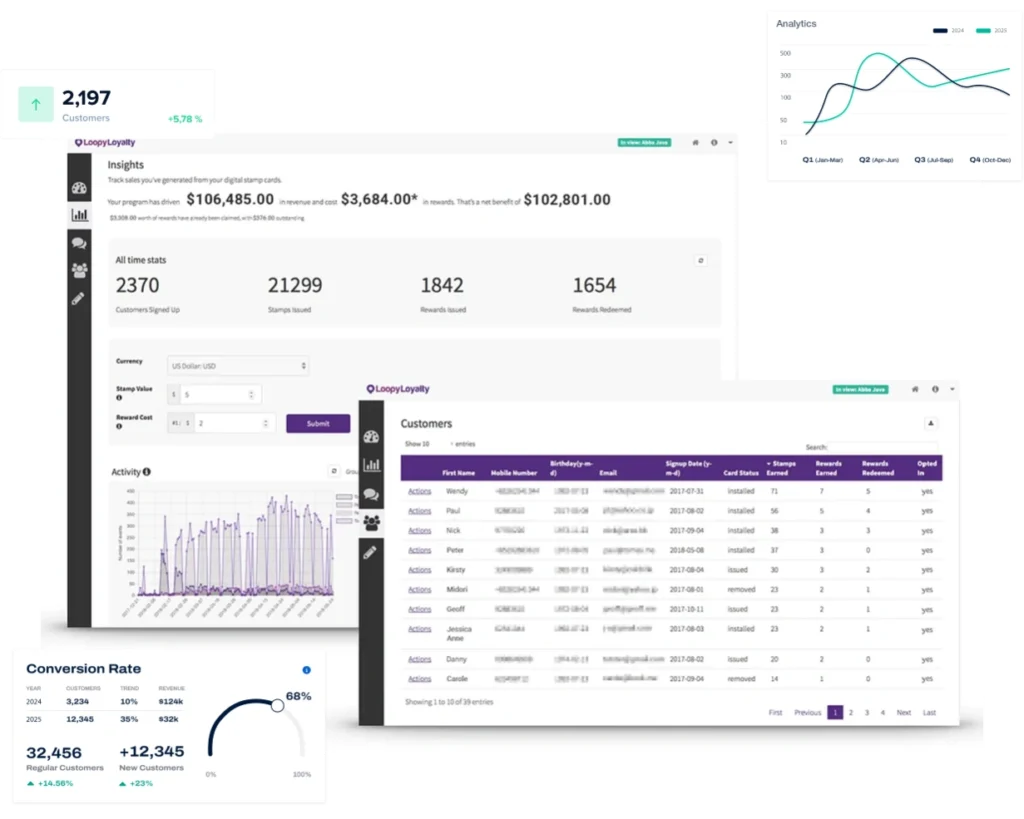
A simple loyalty program is easier to measure. When the structure is clear, it becomes easier to see how many customers join, how often they return, and which rewards are actually driving repeat purchases.
That makes it easier to improve the program over time. Instead of guessing, a bookstore can look at what customers are responding to and make small adjustments without making the program more complicated.
Frequently Asked Questions about Bookstore Loyalty Programs
If you are still deciding how to create a bookstore loyalty program, these common questions can help. Below, we answer some of the most practical questions about digital stamp cards, rewards, and how to keep a bookstore loyalty program simple for customers.
How Many Purchases Should a Bookstore Require Before a Reward?
For a bookstore digital stamp card, the reward should feel reachable without arriving too quickly. A useful benchmark is a simple, visible milestone rather than a complicated formula. Barnes & Noble’s free Rewards program, for example, uses stamps and converts 10 stamps into a $5 reward, showing that a straightforward path to reward can work well in a bookstore setting.
For an independent bookstore using a digital stamp card, the best threshold is usually one that matches normal buying behavior in your store. If customers need too many purchases, they stop paying attention. If they earn rewards too fast, the program can become expensive to maintain. The simplest approach is to choose one clear purchase path and make sure customers can see their progress easily.
What Rewards Work Best With a Bookstore Digital Stamp Card?
The best rewards are usually the ones customers can understand immediately and use on a future visit. In a bookstore, that often means a simple reward after a set number of purchases rather than a complicated points calculation. Barnes & Noble’s stamp-based reward structure is a good example of how bookstores can keep the value clear and easy to explain.
For a smaller bookstore, the strongest rewards are usually simple and book-related: a discount on a future purchase, store credit, or a perk after a clear number of stamps. The key is not to make the reward flashy. It is to make it obvious, relevant, and easy to redeem through the same digital stamp card customers already keep in Apple Wallet or Google Wallet.
Are Digital Stamp Cards Better Than Paper Loyalty Cards for Bookstores?
For most bookstores, digital stamp cards are the better fit because customers can keep them on their phone instead of trying to remember a paper card. Loopy Loyalty’s digital stamp cards are designed for Apple Wallet and Google Wallet, and Loopy explicitly positions them as a mobile-first alternative with no extra app to install or maintain.
Paper cards can still work, but they are easier to forget, lose, or leave at home. A digital card is easier to access, easier to update, and easier for staff to stamp through Loopy’s stamper tools. That makes digital stamp cards a stronger option for bookstores that want a simple loyalty program customers will actually keep using between visits.
How Can an Independent Bookstore Keep a Digital Stamp Card Simple for Customers?
The simplest bookstore loyalty programs use one reward format, one easy path to progress, and one place for customers to keep the card. Loopy’s current positioning is built around exactly that model: create and manage digital stamp cards quickly, deliver them through Apple Wallet and Google Wallet, and avoid the friction of a separate loyalty app.
In practice, that means avoiding multiple tiers, unclear reward rules, or too many exceptions. A customer should be able to understand the program after one short explanation at checkout, save the card to their phone, and know exactly what happens next. If the store has to keep re-explaining the rules, the loyalty program is probably too complicated.
What Should a Bookstore Track in Loyalty Program Analytics?
A bookstore should track the basics first: how many customers join, how often they use the card, how many stamps are issued, and which rewards are redeemed. Loopy’s own help content highlights analytics around customer behavior, stamp card usage, and reward redemptions, and its promotion guidance also points to tracking usage and redemption patterns to understand what is working.
Those numbers matter because they show whether the loyalty card is actually driving repeat purchases or just sitting in customers’ wallets unused. A simple digital stamp card is easier to improve because the data is easier to read: you can see whether people are joining, returning, and redeeming without getting buried in unnecessary complexity.
How Do You Launch a Bookstore Digital Stamp Card Without Slowing Down Checkout?
The easiest launch is one that fits into the normal purchase flow. Loopy says its digital stamp cards can go live in 15 minutes, and its help content shows that customers can save cards directly to Apple Wallet or Google Wallet without needing a separate app. That supports a low-friction checkout experience where staff can introduce the program quickly and help customers save the card on the spot.
For a bookstore, that means keeping the explanation short and the join process simple. If customers can understand the reward, save the card to their phone, and start collecting stamps right away, the program feels like part of the purchase rather than an extra task. That is usually the best way to get more people to join without making checkout feel slower or more complicated.