


Loyalty program pricing is rarely the number on the pricing page. For small businesses, the real cost depends on what customers earn, how the program runs during service, and whether setup creates extra work.
A loyalty program can still be affordable. The goal is to understand the full cost before launch, protect margin, and build a program that brings customers back without overspending.
What Is A Loyalty Program Cost Calculation?
A loyalty program cost calculation estimates the monthly and first-year cost of a rewards program. It helps a business see what the program will cost once software, rewards, staff time, setup, promotion, and connected tools are included.
Software Cost + Reward Cost + Staff Time + Setup Cost + Promotion Cost + Connected Tools = Total Loyalty Program Cost
For a small business, this calculation matters because the lowest advertised price does not always mean the lowest real cost. A basic loyalty program can still create manual tracking, staff errors, replacement costs, and work the owner did not budget for.
A full loyalty platform can add implementation costs, ongoing fees, and features the business never uses. The right calculation shows whether the program can bring back enough repeat customers to cover the cost of rewards and the time it takes to manage them.
Loyalty Program Cost Breakdown For Small Businesses

The next step is to price each input separately. This shows which part of the loyalty program could raise the monthly cost after launch.
Software Cost
Software cost is the fee for the platform that runs the loyalty program. This could be a monthly subscription, an annual plan, or a usage-based fee. A simple stamp card should not need the same budget as a more complex loyalty setup.
Reward Cost
Reward cost is the value of what customers earn. This could be a free product, a discount, cashback, a service upgrade, or a free visit. This is often the cost small businesses underestimate.
Staff Time
Staff time is the cost of running the program during normal service. Employees may need to explain the offer, issue stamps, scan cards, redeem rewards, answer questions, and fix mistakes. If the program slows down checkout, the real cost is higher than the software fee suggests.
Setup Cost
Setup cost covers the work needed before launch. This can include card design, reward rules, QR codes, customer instructions, account setup, and launch material. Even when the owner handles setup personally, that time still belongs in the cost calculation.
Promotion Cost
Promotion cost is what the business spends to get customers to join and use the program. This may include counter signs, table cards, posters, social posts, emails, receipt messages, or launch offers. A loyalty program with no promotion usually gets weak adoption, which makes every other cost harder to justify.
Connected Tool Cost
Connected tool cost covers any software or help needed to link the loyalty program with existing systems. This could include a POS connection, automation software, email software, reporting tools, or developer support.
Many small businesses can start without these costs, but they matter when reward updates, customer data, or redemptions need to move between systems automatically.
Loyalty Program Cost Formula For Small Businesses

Once each cost input has a number, the calculation should produce three answers. Work out the monthly running cost, the first-year cost, and the number of extra repeat purchases needed to cover the program.
How To Calculate Monthly Loyalty Program Cost
Monthly loyalty program cost shows what the program costs to run after launch.
Monthly Loyalty Program Cost = Platform Fee + Monthly Reward Cost + Staff Time Cost + Monthly Promotion Cost + Connected Tool Cost
The two numbers most likely to change are reward cost and staff time. Calculate them separately before adding them to the monthly total.
Monthly Reward Cost = Average Cost Per Reward × Expected Monthly Redemptions
Staff Time Cost = Monthly Hours Spent On The Program × Hourly Staff Cost
This stops the business from judging the program by the platform fee alone. A loyalty program can look affordable at signup but cost more once customers start redeeming rewards and staff spend time managing it.
How To Calculate First-Year Loyalty Program Cost
First-year loyalty program cost adds launch work to the monthly running cost. Keeping launch cost separate makes the ongoing cost clearer after year one.
First-Year Loyalty Program Cost = Monthly Loyalty Program Cost × 12 + One-Time Launch Cost
One-time launch cost can include card design, reward rules, QR code setup, staff training, launch material, and help connecting the program with existing systems. Keeping this cost separate makes the monthly number more useful after the first year.
How To Calculate Loyalty Program Break-Even Point
The break-even point shows how many extra repeat purchases the loyalty program needs to create each month before it pays for itself.
Break-Even Repeat Purchases = Monthly Loyalty Program Cost ÷ Average Profit Per Repeat Purchase
Average profit per repeat purchase means the profit left after the cost of the product or service, not the total sale amount.
The break-even number turns the calculation into a decision. If the number is realistic, the program is worth testing. If the number is too high, the business should reduce the reward cost, simplify the setup, or start with a lower-cost loyalty format before adding more features.
Loyalty Program Cost Calculation Example
A small business can use the formula by estimating one normal month of loyalty program activity. This example assumes the business runs a basic digital stamp card, offers a low-cost reward, and starts without paid connections to other systems.
The monthly platform fee is $35. The business expects 40 reward redemptions per month, and each reward costs $2 to provide.
$2 Average Cost Per Reward × 40 Monthly Redemptions = $80 Reward Cost
The business also spends 2 hours per month managing the loyalty program. If staff time costs $20 per hour, the monthly staff time cost is $40.
2 Monthly Hours × $20 Hourly Staff Cost = $40 Staff Time Cost
Promotion costs $20 per month for counter signs, social posts, and email reminders. The business does not need a paid POS connection, automation tool, reporting tool, or developer support at launch, so connected tool cost is $0.
Once the monthly inputs are clear, add them together.
$35 Platform Fee + $80 Reward Cost + $40 Staff Time + $20 Promotion + $0 Connected Tools = $175 Total Monthly Cost
The annual running cost is the monthly cost multiplied by 12.
$175 Total Monthly Cost × 12 = $2,100 Annual Running Cost
The business also spends $150 on design, QR code setup, staff training, and launch material.
$2,100 Annual Running Cost + $150 One-Time Launch Cost = $2,250 Estimated First-Year Cost
In this example, the loyalty program costs $175 per month to run. The annual running cost is $2,100, and the estimated first-year cost is $2,250 once launch costs are included.
Now compare the monthly cost with the profit from extra repeat purchases. If each repeat purchase leaves $7 in profit after product or service costs, the business needs 25 extra repeat purchases per month to break even.
$175 Monthly Cost ÷ $7 Profit Per Repeat Purchase = 25 Extra Repeat Purchases
If 25 extra repeat purchases per month is realistic, the program is worth testing. If the number feels too high, the business should adjust the reward or reduce the work needed to run it.
What Is The Biggest Cost In A Loyalty Program?

The biggest cost in a loyalty program is usually reward cost, also called reward redemption cost. Software fees are often predictable each month, while rewards become more expensive as more customers earn and redeem them.
A reward should be judged against profit margin, not the selling price. A free $5 item that costs the business $1.50 to provide leaves more room than a 20 percent discount on a low-margin service. The offer works when the extra visits create more profit than the reward gives away.
The risk is redemption volume. A free coffee, free wash, or 10 percent discount can work well, but only when customers return often enough to cover what the business gives away.
A digital stamp card can reduce admin and printing costs, but the reward still has to make financial sense. Start with a reward customers want, then check whether the business can afford to give it away every month without cutting too far into profit.
How To Set A Loyalty Program Budget
Set the loyalty program budget before choosing the reward. Decide how much the business can afford to give away each week, then shape the offer around that number.
Use these five checks.
- Set a weekly reward limit. If the business can afford $60 in rewards per week, a $2 reward allows about 30 redemptions per week.
- Estimate monthly redemptions. A reward that works at 10 redemptions may hurt margin at 80.
- Check the margin before launch. The reward should leave enough profit after product or service costs.
- Keep the first version simple. One clear reward is easier to budget than multiple offers, tiers, and rules.
- Review the numbers every month. Track redemptions, reward cost, repeat purchases, and profit.
If the reward costs too much, fix the budget before adding features. Raise the number of stamps needed, reduce the reward value, or choose a reward with a better margin.
Why Digital Stamp Cards Keep Loyalty Program Costs Predictable
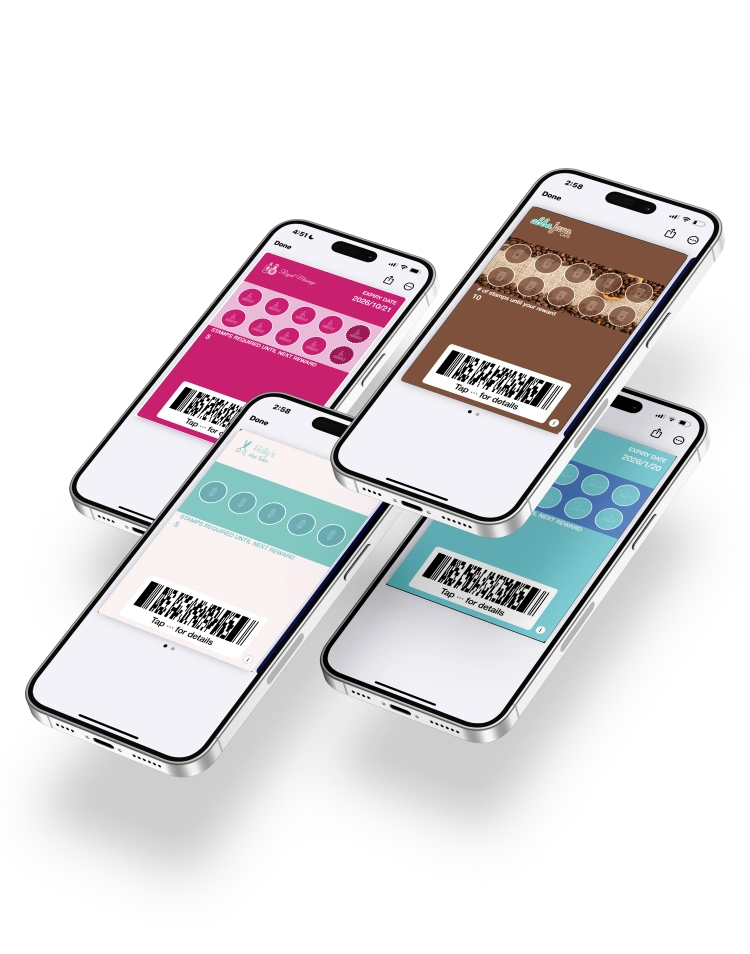
Digital stamp cards make loyalty costs easier to predict because the program has fewer moving parts. A small business can choose one reward, one earning rule, and one redemption rule, then check whether customers return often enough to justify the spend.
That simplicity matters during daily use. Staff can explain the program quickly, customers keep the card on their phone, and the business avoids adding rules before it knows what customers will use.
A digital stamp card helps control cost in a few practical ways.
- One reward makes redemption cost easier to forecast.
- One earning rule helps staff explain the program quickly.
- A mobile wallet card reduces the need to print and replace paper punch cards.
- A simple setup avoids paying for points, tiers, and rules the business may not need.
- Clear stamp progress helps customers see how close they are to a reward.
A more advanced loyalty platform can make sense when the business needs points, tiers, ecommerce rules, custom integrations, or deeper reporting. Those features can be useful, but they can also raise the cost before the business knows whether customers will use the program.
This is where Loopy Loyalty fits best. It gives small businesses a way to run a mobile wallet stamp card without building an app, printing new punch cards, or paying for features they do not need yet.
If you are comparing options, the guide to digital stamp card platform pricing explains how different pricing models work.
When A Loyalty Program Costs More Than Expected
A loyalty program costs more than expected when the offer is harder to run than it is to measure. The monthly fee may stay the same, but staff time, reward use, customer confusion, and repeat admin work can raise the real cost after launch.
Redemptions Rise Faster Than Expected
If redemptions rise faster than repeat profit, the program starts cutting into margin instead of supporting it.
Checkout Takes Too Many Steps
Checkout is where loyalty programs either work or become a burden. If staff have to explain too many rules, fix mistakes, or update rewards by hand, the program costs more than the software fee suggests.
Customers Do Not Understand The Rules
A program gets harder to justify when customers are unsure how to earn or redeem rewards. The rules should be simple enough for staff and customers to repeat without checking notes.
The Business Pays For Features It Does Not Use
Points, tiers, custom rules, and deeper reporting can be useful when the business needs them. They become wasted cost when the business only needs a simple way to encourage repeat visits.
Redemptions Are Not Reviewed Each Month
Reward use, reward cost, staff time, and repeat purchases should be checked every month. Without that review, the business will not know whether the program is paying for itself.
Start with the version the business can afford, explain, and track. Add more features only after the numbers prove the program is worth expanding.