
Auto repair shops do not get the same visit frequency as coffee shops or salons, but that does not mean loyalty is any less important. When drivers need an oil change, inspection, tire rotation, or other routine service, you want your shop to be the one they come back to.
An auto repair loyalty program helps turn routine maintenance into repeat business. In this guide, we’ll look at how to choose the right rewards, pick the best format, and launch a program that fits your shop.
What Is an Auto Repair Loyalty Program?
An auto repair loyalty program rewards drivers for returning to the same shop for routine maintenance and repeat service. It usually applies to oil changes, tire rotations, inspections, brake service, and other scheduled work.
Most auto repair loyalty programs use points, visit-based rewards, service milestones, or digital stamp cards. The goal is to encourage future visits, improve customer retention, and keep your shop top of mind when drivers need their next service.
How Loyalty Programs Work in Auto Repair
Auto repair loyalty programs work best when they match the way customers actually use a repair shop.
Most drivers are not visiting every week, so the program needs to fit a slower service cycle and give people a clear reason to come back when the next maintenance visit is due. The goal is not to reward every job equally. It is to build repeat behavior around the services that happen again and again.
They Reward Repeat Maintenance Rather Than One-time Repairs
The most effective loyalty programs are built around services customers will need on an ongoing basis. That usually includes oil changes, tire rotations, inspections, brake checks, battery service, and other regular maintenance. These are the visits that create the best chance of bringing someone back before they start looking at other shops.
That is why loyalty programs tend to perform better when they focus on repeatable service instead of larger one-off repair work. A customer may only need a major repair once in a while, but routine maintenance creates a pattern. When the reward is tied to that pattern, it becomes easier for the shop to stay part of the customer’s normal service habits.
They Are Designed To Bring Customers Back For Future Service
In auto repair, the real value of a loyalty program comes from what it does after the current visit. A reward should give customers a reason to return for the next appointment, not just make today’s invoice feel smaller. That is what separates a loyalty program from a basic discount.
The best rewards usually point toward a future visit such as
- a free oil change after a set number of visits
- a service credit that can be used next time
- a reward unlocked at a maintenance milestone
These kinds of rewards keep the next booking in view and help move customers from one visit to the next without making the program feel complicated.
They Work Best When The Reward Feels Easy To Reach
If the reward feels too far away, most customers will stop paying attention to it. Auto repair is already a lower-frequency category, so the program has to feel achievable within a realistic number of visits. A simple reward structure is more likely to stay memorable and more likely to influence behaviour when the next service is due.
This is where simple formats usually win. Visit-based rewards, service milestones, and digital stamp cards are easy for staff to explain and easy for customers to follow. When people can quickly see how close they are to a reward, the program feels more valuable and gives them another reason to choose the same shop again.
Types of Loyalty Rewards for Auto Repair Shops
Auto repair shops can structure loyalty rewards in a few different ways. The best option depends on how simple you want the program to be, how often customers visit, and how easy the reward is to track at checkout.
Digital Stamp Cards
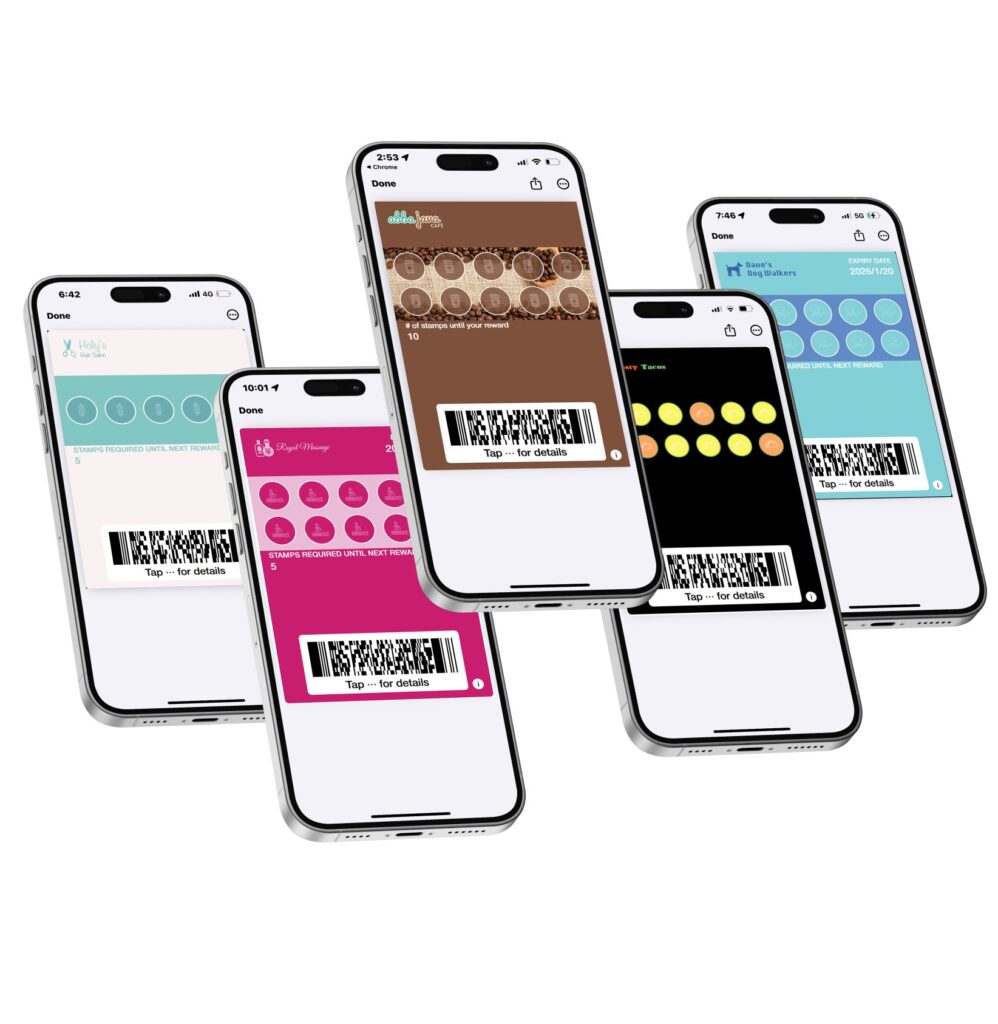
Customers earn a stamp for each qualifying visit or service. After a set number of stamps, they unlock a reward such as a free oil change or service credit.
Points-based Rewards
Customers earn points based on visits or spending, then redeem those points later. This gives shops more flexibility, but it can also be harder for customers to follow.
Spend-based Rewards
Customers receive a reward after spending a certain amount over time. This can work, but it is usually less memorable than a simple visit-based offer.
Service Milestone Rewards
Customers unlock a reward after reaching a specific maintenance milestone, such as their fifth oil change or third scheduled service. This works well for repeat maintenance.
Referral Rewards
Customers earn a reward when they refer a friend or family member to the shop. This can be used alongside a main loyalty program rather than replacing it.
For most independent auto repair shops, stamp cards and service milestone rewards are usually the simplest to explain, easiest to track, and most practical for repeat service.
Digital vs Paper Stamp Cards for Auto Repair Shops
Paper stamp cards are simple, but they are also easy to lose, forget, or damage. In auto repair, where customers may not return for weeks or even months, that makes paper cards less reliable.
Digital stamp cards are easier for customers to keep on their phone and easier for shops to update over time. They also make it easier to track progress between visits and keep the program visible.
For most auto repair shops, digital stamp cards are the better fit because they are easier to manage and better suited to repeat service over time.
Auto Repair Loyalty Program Examples
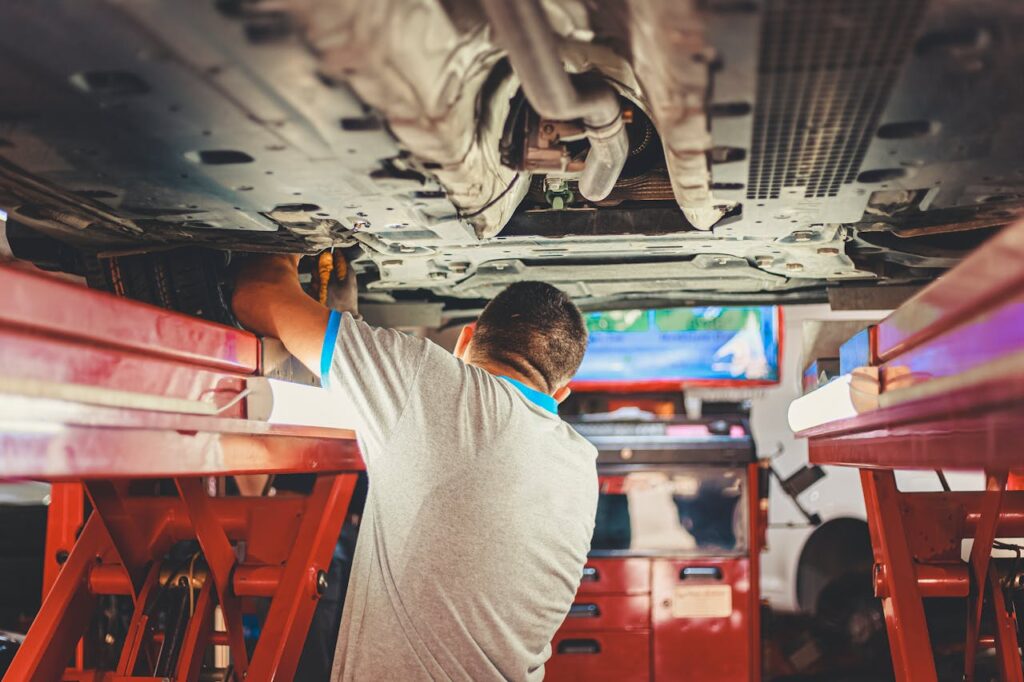
Once you understand the different reward types, it becomes easier to picture what an auto repair loyalty program could look like in a real shop.
The best examples are usually the simplest ones because customers can understand them quickly and staff can explain them without slowing down checkout.
Free Oil Change After a Set Number of Visits
This is one of the clearest loyalty offers an auto repair shop can run. Customers receive one stamp or one qualifying visit for each oil change, and after reaching the target, they earn a free oil change.
It works because the reward is easy to understand and tied to a service many drivers already expect to book again.
It also gives customers a reason to stay with the same shop over time. Instead of comparing prices every time they need routine maintenance, they can see steady progress toward a reward that feels practical and relevant.
Service Credit for the Next Appointment
A service credit is another simple option, especially for shops that want a little more flexibility.
After a set number of visits or a completed milestone, the customer receives credit they can use on their next service. That could go toward an inspection, tire rotation, brake service, or another qualifying appointment.
This type of reward works well because it keeps the value tied to a future visit. It also gives the shop some flexibility without making the program feel too complicated for customers to follow.
Maintenance Milestone Rewards
Some shops may prefer to reward progress through scheduled maintenance rather than offer the same reward every time.
For example, a customer could unlock a reward after their third routine service or fifth oil change. This approach fits auto repair well because it matches the way customers return over time.
Maintenance milestone rewards can also make the program feel more structured. Instead of offering a broad discount, the shop gives customers a clear target and a clear reason to keep coming back for regular service.
Referral Rewards for Existing Customers
Referral rewards can work alongside a main loyalty program and help bring in new customers without changing the core offer.
For example, a shop might offer a service credit or bonus stamp when an existing customer refers a friend or family member who books an appointment.
This can be especially useful for independent shops that rely on trust and word of mouth. A referral reward adds another reason for loyal customers to stay engaged while also helping the business grow through repeat and referred visits.
How to Launch an Auto Repair Loyalty Program
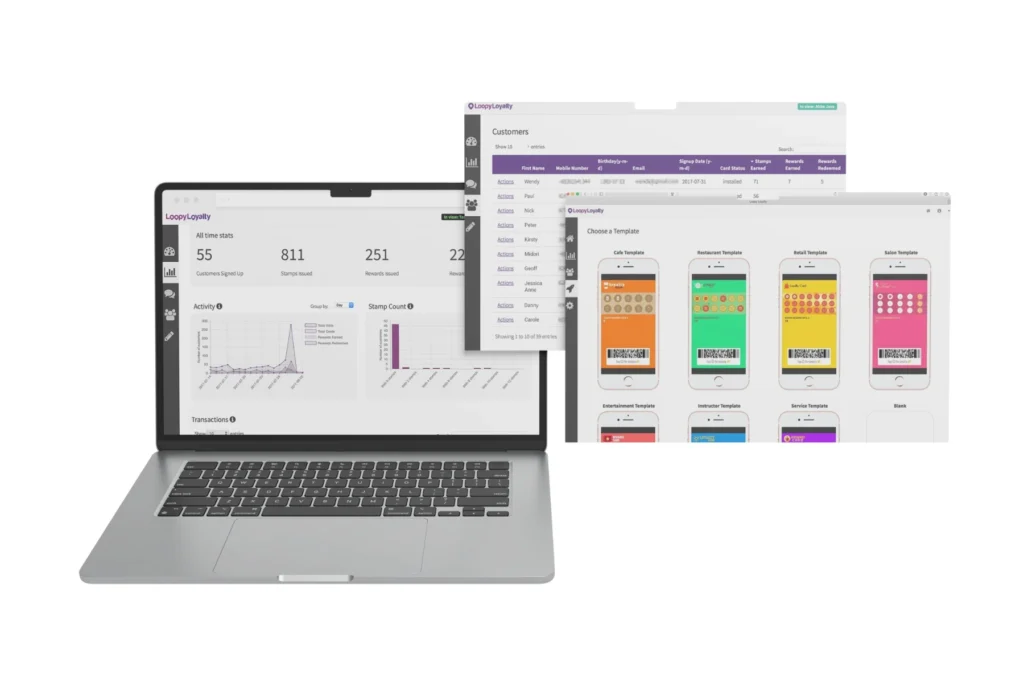
Once you know which type of loyalty card program you want to run, the next step is making it easy to use in the shop.
A strong setup is less about adding more features and more about choosing a structure your team can explain, track, and apply consistently.
You can also sign up to Loopy Loyalty for a free 15 day trial and see how a digital loyalty card program could work in your shop before committing to a paid plan.
1. Start With One Repeatable Service
The easiest way to launch a loyalty program is to build it around one service customers already book regularly.
That keeps the program focused and gives staff a simple starting point. You do not need to include every service from day one. A smaller launch is usually easier to manage and easier for customers to understand.
2. Choose a Format That is Easy to Follow
The best format is the one that makes the reward feel obvious. If customers have to stop and think about how the program works, they are less likely to use it.
Simple formats usually work best because they make progress visible and keep the value of the reward clear from the start.
3. Set Clear Earning and Redemption Rules
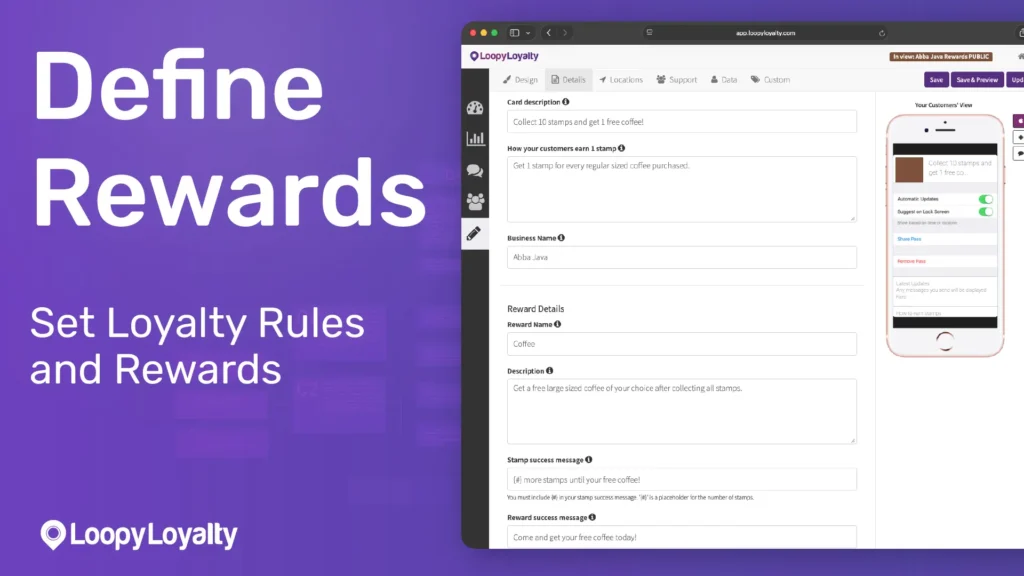
Customers should know exactly how the program works after one quick explanation. That means deciding the basic rules before you launch, such as
- which services count toward the reward
- how many visits or actions are needed
- when the reward can be redeemed
If the rules are too broad or too detailed, the program becomes harder for both staff and customers to follow.
4. Make Signup Part of the Checkout Process
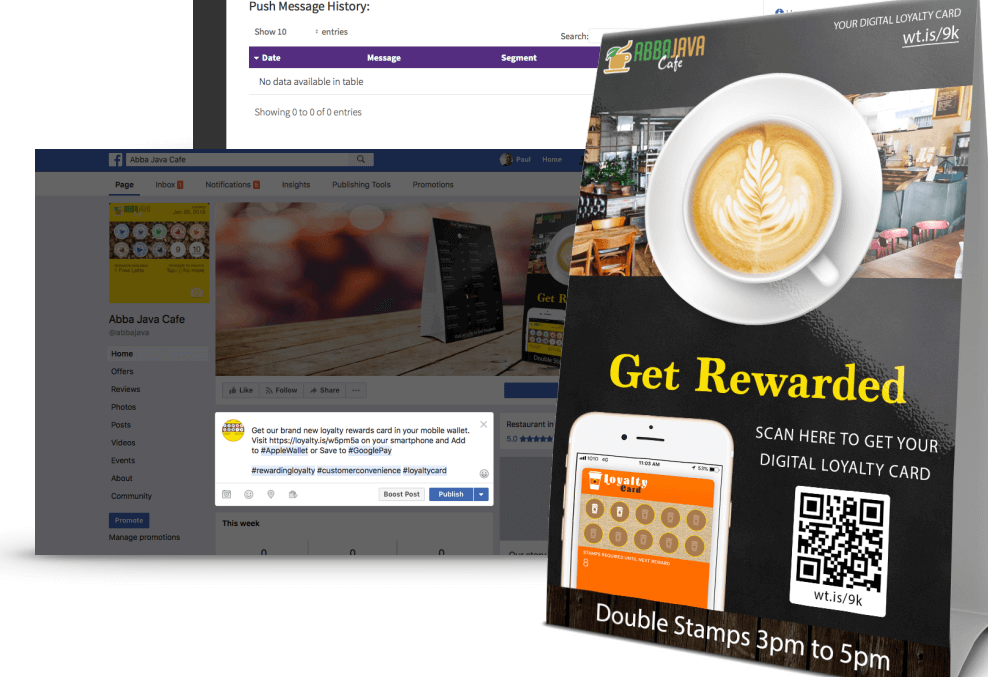
The easiest time to introduce the program is when the customer is already paying for a service.
At that point, the visit is fresh, the reward makes sense, and staff can explain the program in a natural way. Signup should feel like part of the normal checkout flow, not an extra task.
5. Make The Reward Easy to Redeem
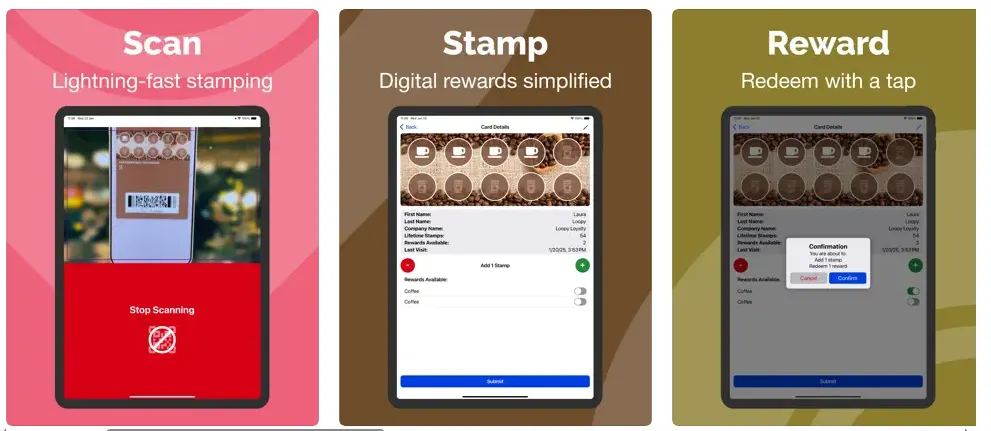
A customer should not have to ask how to use the reward when they come back. Staff should be able to see progress quickly, confirm that the reward has been earned, and apply it without slowing down the visit. The easier redemption feels, the more likely customers are to value the program and use it again.
6. Keep the Program Visible After The First Visit

Once the program is live, it needs to stay in front of the customer. Mention it at the counter, include it in follow-up messages, and keep the reward close enough to feel worth working toward.
A loyalty program is much easier to forget when service visits are spread out, so visibility matters just as much as setup.
Frequently Asked Questions
Here are some of the most common questions auto repair shops have when setting up a loyalty program.
What Is The Best Loyalty Program For An Auto Repair Shop?
The best loyalty program for an auto repair shop is usually one built around repeat maintenance, not one-time repair work.
A simple stamp card or service milestone program is often the strongest fit because it is easy for customers to understand and easy for staff to manage. It also matches the way drivers return for oil changes, inspections, tire rotations, and other routine services over time.
What Is A Good First Reward For An Auto Repair Loyalty Program?
A good first reward should feel useful, relevant, and realistic to earn. For most auto repair shops, that means something tied to routine service, such as a free oil change, a service credit for the next visit, or a reward unlocked after a set number of maintenance appointments.
The best first reward is one customers already value and can picture using.
Should An Auto Repair Loyalty Reward Be Used On The Same Visit Or The Next One?
In most cases, the reward should be used on the next visit. A future reward gives customers a reason to come back and helps turn one service appointment into repeat business.
If the reward is used on the same visit, it acts more like a discount than a loyalty program benefit.
Should Auto Repair Loyalty Rewards Focus On Maintenance Or Major Repairs?
Most loyalty rewards work better when they focus on maintenance. Routine services like oil changes, tire rotations, inspections, brake checks, and battery service create more repeat opportunities than larger one-time repairs.
Major repairs are less predictable, which makes them harder to build into a simple loyalty program that customers will remember and use.