

Running a pet business means competing with big chains and online stores for the same customers. A simple pet loyalty program helps turn one-time buyers into regulars by rewarding visits, purchases, and routine behaviours like topping up pet food or booking another groom.
In this guide, you’ll learn how to start a pet loyalty program that actually works for pet businesses of all kinds, from pet shops and groomers to daycares and vet clinics. We’ll cover the best reward ideas, how to structure your offers, and the easiest ways to get customers to join and keep using your program.
What is a Pet Loyalty Program?
A pet loyalty program is a customer retention system that rewards people for returning to your business, usually through a simple earn-and-redeem structure. Customers collect rewards for actions like purchases, visits, or bookings, then redeem a perk once they hit a clear goal.
Most pet loyalty programs work best when they’re easy to understand, such as Buy X, Get 1 Free or X visits equals a free upgrade. The purpose is to increase repeat purchase frequency, improve customer retention, and create a habit that keeps customers coming back.
What Pet Businesses Can Use a Loyalty Program?
Pet loyalty programs work best for any pet business that depends on repeat visits or repeat purchases. If customers come back regularly to restock essentials or book services, a loyalty program is an easy way to turn that routine into long-term retention.
Here are the most common pet businesses that can use a loyalty program:
- Pet shops and pet retailers
- Pet food stores and pet supply businesses
- Pet grooming salons and mobile groomers
- Dog daycare and boarding facilities
- Pet sitting and dog walking services
- Dog trainers and puppy classes
- Vet clinics and wellness-focused practices
The key is simple. If your customers return on a schedule, loyalty rewards give them a reason to keep choosing you.
Stamp Cards Vs Points Programs For Pet Businesses
Stamp cards and points programs reward repeat customers, but they work differently.
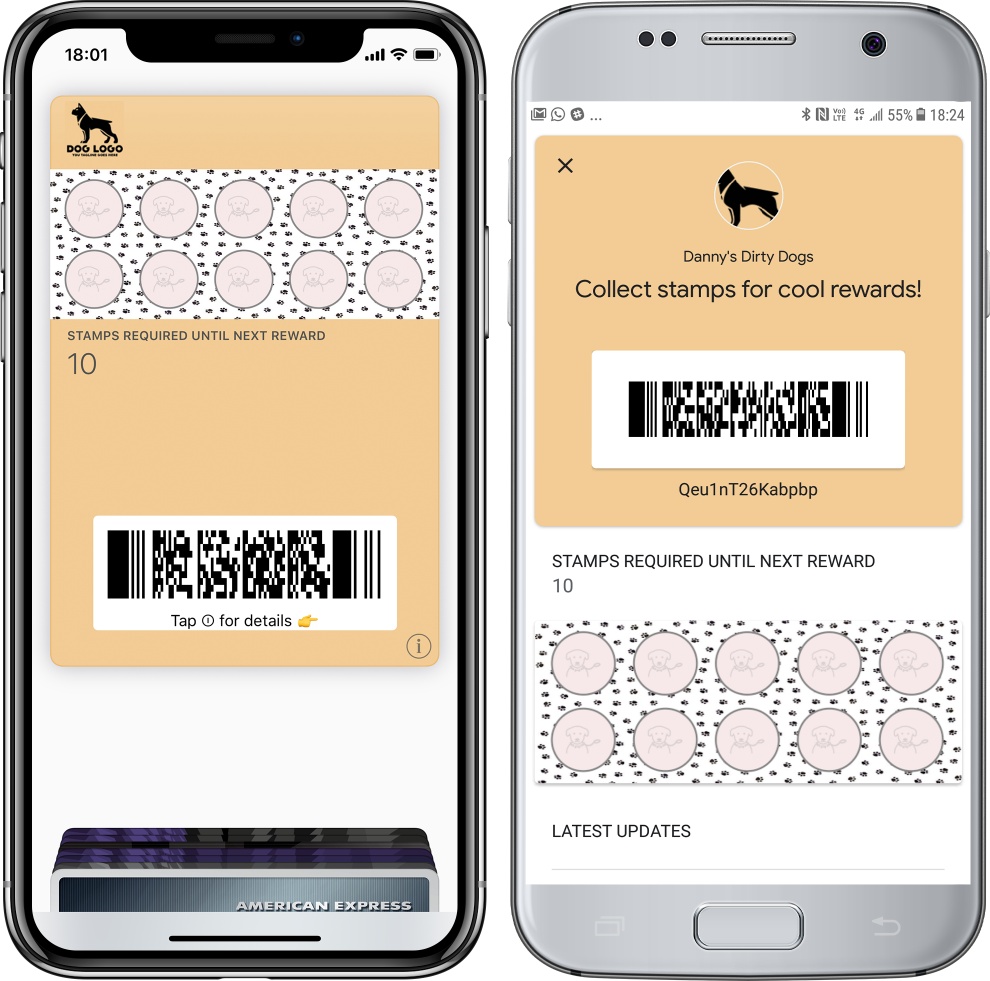
Digital stamp cards are milestone-based. Customers earn progress toward a clear goal like Buy 9, Get 1 Free or 10 visits = a free add-on. They’re easy to understand, fast to complete, and a strong fit for repeat routines like pet food refills, grooming, and daycare.
Points programs, like PassKit loyalty cards, are spend-based. Customers earn points over time like 1 point per $1 and redeem later. They can work well for businesses with lots of products and price ranges, but they often feel slower and harder for customers to track.
Stamp cards feel more immediate, while points programs are more flexible but slower to earn.
How Does A Stamp-Based Pet Loyalty Program Work?
A stamp-based pet loyalty program turns repeat customer behaviour into progress toward a reward. Customers collect stamps over time, then redeem once they reach a target number, which keeps the program simple, motivating, and easy to use.
The key is choosing a clear earning action, setting a realistic stamp goal, and offering a reward customers actually care about. When those three parts are aligned, loyalty becomes a habit customers follow automatically.
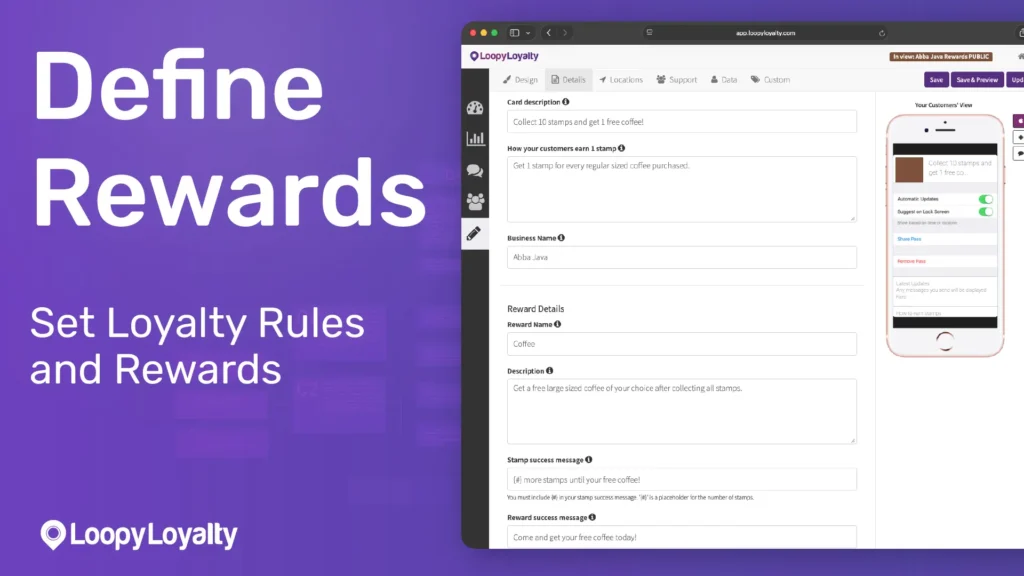
What Customers Earn Stamps For (Purchases, Visits, Bookings)
Pick one main action that happens often and is easy to validate at the counter. The cleaner the rule, the more customers use it.
Good stamp triggers for pet businesses:
- Food restocks (every bag, or every purchase over a set amount)
- Treat and accessory top-ups (repeat small purchases)
- Grooming sessions (each completed appointment)
- Daycare days or boarding stays (per day, or per visit)
- Training sessions (per class attended)
Keep it consistent so customers never have to ask, “Does this count?”
How Many Stamps It Takes To Get A Reward
Your stamp target should match how often customers naturally return. If the goal feels too far away, they stop caring.
A simple guide:
- 5 stamps = fast cycle programs (frequent services, high repeat rate)
- 8 stamps = strong middle ground for mixed services
- 10 stamps = universal “feels fair” target for most pet businesses
- 12 stamps = best for higher-value cycles or slower repeat visits
A good test is whether the average customer can hit the reward in a normal routine without changing their behaviour.
What Rewards Work Best For Pet Businesses
Choose rewards that feel valuable but stay controlled on cost. The best-performing rewards are useful, easy to redeem, and don’t require explaining.
High-performing pet reward types:
- Everyday freebies (treat pack, chew, small toy, travel-size shampoo)
- Service upgrades (nail trim, teeth clean add-on, de-shed upgrade, paw balm)
- Simple discounts (money-off the next visit, or % off a category)
- VIP perks (priority booking, birthday bonus, members-only double stamps)
Avoid rewards that create awkward edge cases. Make it something staff can redeem in seconds with zero debate.
How To Launch And Manage Your Pet Loyalty Program
A pet loyalty program is only effective if it’s easy to run every day. To launch and manage it properly, set clear stamp rules, choose a stamp target that customers can realistically reach, and keep rewards simple to redeem. Then focus on fast signup, consistent stamping, and simple promotions that keep customers engaged over time.
Best Stamp Targets (5, 8, 10, 12)
Your stamp target should match how often customers come back in real life. The easiest way to choose it is to base it on your most common repeat cycle, not what sounds “standard.”
For pet businesses, that usually looks like:
- Food refills every few weeks
- Grooming on a monthly or seasonal cadence
- Daycare and boarding in bursts or weekly routines
- Training sessions in short blocks (classes or packages)
- Higher-value visits that happen less often, but matter more
Pick a stamp goal that fits that rhythm, so earning a reward feels natural instead of forced.
Minimum Spend And Eligible Items
This is where pet loyalty programs usually break. If customers don’t understand what counts, they stop caring. The best approach is one clear earning rule that staff can apply instantly and customers can remember after one visit.
For example, a pet retail business can run “one stamp per purchase over $X,” while grooming and daycare businesses can keep it even simpler with “one stamp per completed visit.” If you offer both products and services, you can still keep it clean by using a single rule for everything and saving bonuses for rare promos.
Expiry Dates And Redemption Rules
Pet businesses run on routines, so your rules should feel fair and predictable. Expiry dates keep your loyalty program active and stop old rewards stacking up forever.
For example, Food refills don’t happen weekly for most customers, so your expiry window needs to match real pet buying cycles.
A strong setup is simple, stamps expire after a set period, and rewards should be redeemed within a reasonable time after unlocking. Keep redemption rules consistent too, such as one reward per visit and no stacking with other offers. The goal isn’t strictness, it’s clarity.
Preventing Reward Abuse
Most loyalty “abuse” isn’t customers trying to cheat. It’s inconsistent stamping and unclear rules. A few basic controls fixes this without adding friction.
Make stamping staff-led, avoid backdating, and limit stamps to one per transaction or booking. In a pet business, this is especially important when the same customer might shop for food and also book grooming. Loopy Loyalty’s Stamper app helps keep stamping and redemption consistent through staff scanning and activity tracking.
QR Code Signup Placements
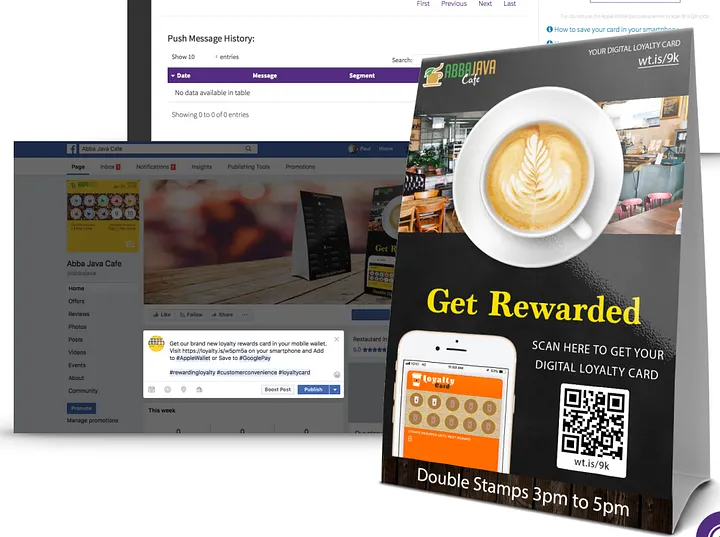
Pet loyalty signups happen when customers are already in the habit of visiting you. The easier you make it, the more customers join. Loopy Loyalty supports QR code signup so customers can save the card in seconds.
High-converting pet-business placements:
- Checkout counter near treats or impulse items
- Grooming reception desk
- Daycare check-in counter
- On food bags or receipts
- Inside booking confirmations and reminder messages
If you make joining effortless, customers are far more likely to start collecting stamps immediately.
Social And Booking Message Prompts
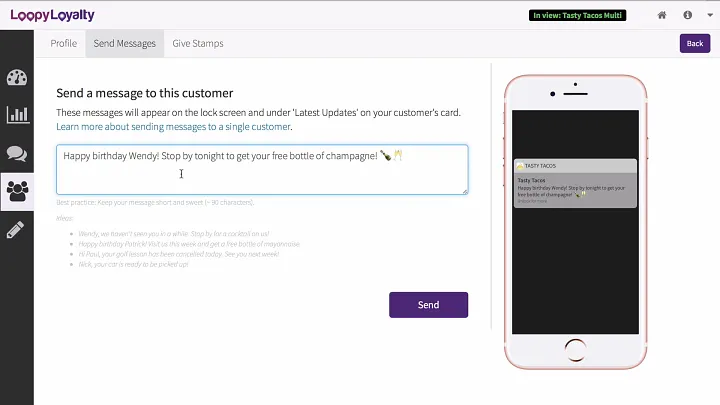
Most pet customers don’t need a long explanation. They need a quick reason to join and a clear next step. Keep your messages short and repeat them across your main touchpoints.
Counter script: “Collect stamps for every visit and unlock rewards. Scan here to join.”
Booking message: “Don’t forget your loyalty card. We’ll add your stamp after your appointment.”
Social caption: “Earn stamps on visits and purchases, then redeem rewards. Join in-store with the QR code.”
Launch Promos Like Double Stamps
A pet loyalty program grows faster when you give customers a reason to join immediately. Keep launch promos simple, time-limited, and easy for staff to apply.
Fast launch promos that work well for pet businesses:
- Double stamps for 7 days
- Bonus stamp on first visit
- Extra stamp on pet food refills
- Reward upgrade for launch week only
If the promo is easy to understand, customers join faster and start collecting stamps on the same visit.
What Does A Pet Loyalty Program Look Like For Different Pet Businesses
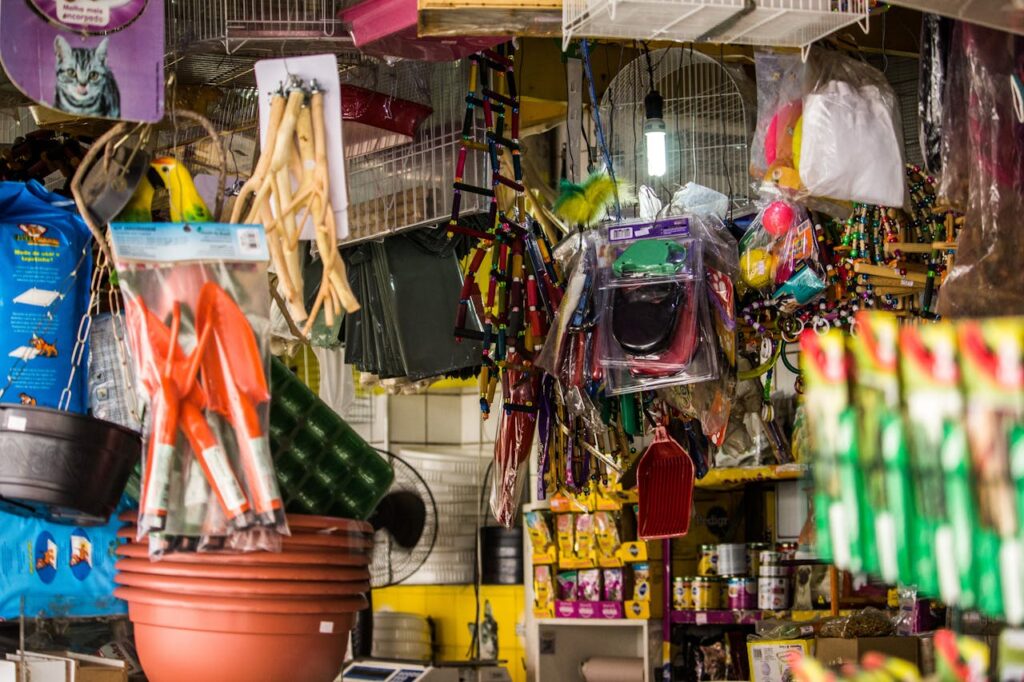
A pet loyalty program works best when it matches the way customers already buy, book, and return. Below are proven stamp-based setups by pet business type, with simple earning rules, realistic reward targets, and rewards people actually redeem.
Pet Retail And Pet Food Loyalty Programs
Pet retail loyalty works when it rewards repeat top-ups. Food, treats, supplements, and essentials are perfect because customers naturally come back on a routine.
Simple stamp setups that fit pet retail:
- 1 stamp per purchase over $X (easy for mixed baskets)
- 1 stamp per bag of food (perfect for food-first loyalty)
- Bonus stamp on large refills (keeps it exciting without complicating the base rule)
Food loyalty is often built around “frequent buyer” behaviour like buy 12, get 1 free, which is a common structure pet businesses run successfully.
Pet Grooming Loyalty Programs
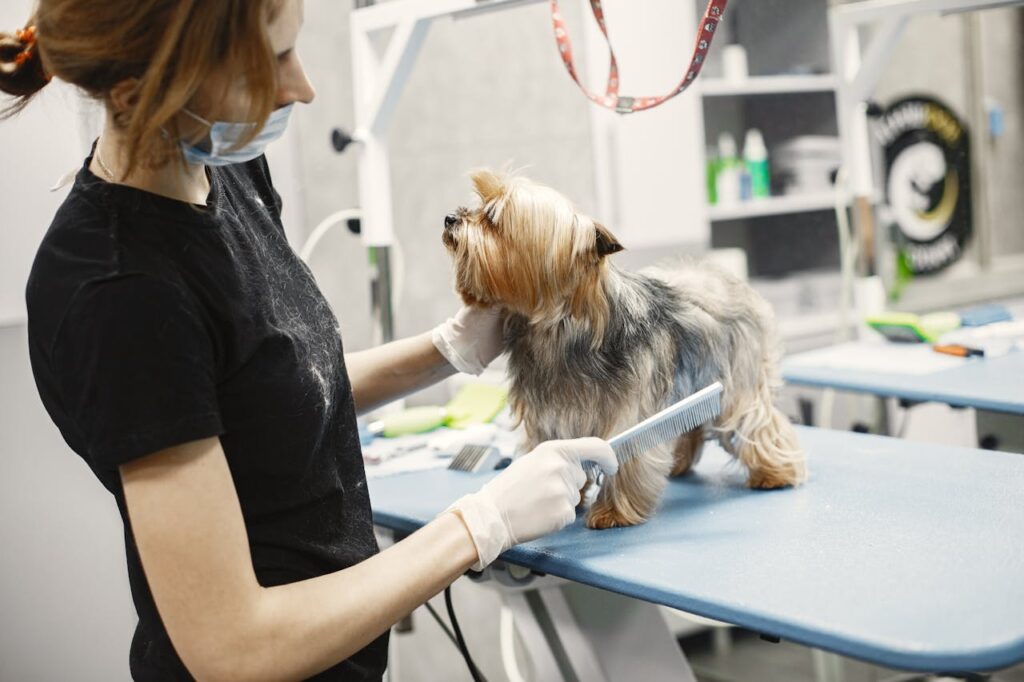
Grooming loyalty should feel like a routine reward, not a discount chase. The best programs reward appointments completed and push customers to rebook on schedule.
Clean earning rules that convert:
- 1 stamp per groom
- 1 stamp per completed appointment
- Bonus stamp for rebooking at checkout (simple, and it drives repeat visits)
Reward ideas that stay profitable: free nail trim, free de-shed upgrade, free add-on service, or a small money-off voucher that’s easy to redeem in seconds.
Dog Daycare And Boarding Loyalty Programs
Daycare and boarding loyalty is all about frequency. Customers either come weekly or in bursts, so the program needs to reward consistency without being confusing.
Two high-performing formats:
- Visit-based stamps (1 stamp per daycare day)
- Package-based loyalty (earn a reward after X days used)
Good rewards here are practical: free late pickup once, free half-day, a free upgrade add-on, or a reward that feels VIP without creating chaos for staff.
Vet Clinic Loyalty Program Ideas
Vet loyalty needs to feel care-focused, not like you’re discounting medical treatment. A smart approach is to reward healthy habits and planned care.
Examples that stay “clinic-friendly”:
- Stamps for wellness visits
- Stamps for preventative services (checkups, vaccinations, parasite protection)
- Rewards like priority booking perks, a small clinic-approved add-on, or a free non-medical extra
Many vet businesses avoid direct discounting and instead use loyalty to encourage preventive care and improve client retention.
Dog Training And Puppy Program Rewards

Training loyalty is easiest when it’s tied to attendance. Customers already expect a series of sessions, so stamps fit naturally and help increase completion rates.
Easy training loyalty structures:
- 1 stamp per class attended
- Reward unlock after finishing a block (like 5 or 8 sessions)
- Bonus stamp for referrals (works well for puppy owners)
Rewards that feel relevant: free graduation gift, free mini 1:1 add-on, a discount on the next course, or a “members perk” for future bookings.
Which Pet Loyalty Program App Should You Use
The best pet loyalty program app is the one customers will actually use every time and staff can run in seconds at the counter.
For most pet businesses, that means choosing a loyalty app that’s built for fast signups, simple stamping, and high repeat usage (not one that creates extra steps or requires customers to install something new).
What To Look For In A Loyalty Program App
The right pet loyalty program app should make it easy to join, earn, and redeem without slowing down checkout or adding extra steps for customers.
The best options keep the loyalty card accessible on a customer’s phone, help staff stamp and redeem rewards quickly, and give you full control over the rules behind the program.
A strong loyalty app for pet businesses should do four things well:
- Make joining effortless
If customers can’t join in under 10 seconds, signups drop. - Keep the loyalty card visible and easy to access
Customers should always know how many stamps they have and what they’re working toward. - Make stamping and redemption staff-proof
Look for scan-based stamping, clear reward status, and a simple way to redeem without confusion. - Give you control over rules and promos
You want full control over stamp targets, eligibility, expiry rules, and limited-time boosts.
This is where wallet-based stamp cards shine, because the experience stays simple while still giving you the tools to run it properly.
Loyalty Cards In Mobile Wallets

Mobile wallet loyalty passes live inside a customer’s Apple Wallet or Google Wallet, so the card is always on their phone, ready at checkout.
On the backend, you can update loyalty passes in real time (like progress and rewards), and Apple Wallet supports pass updates that can appear as lock screen notifications.
Loopy Loyalty is built around this exact approach, branded stamp cards that customers save to their mobile wallet, with staff stamping and redeeming through the Stamper app (or the web stamper for remote use).
Why No-Download Pet Loyalty Gets More Signups
Pet loyalty works best when it’s frictionless. The moment customers hear “download an app,” many won’t bother, especially for something they’ll only use at the counter.
Wallet-based loyalty removes that barrier because customers can join through a QR code or link and save the card instantly, without installing anything.
That matters for pet businesses because loyalty is usually won in the small moments:
- topping up food
- checking in for grooming
- dropping off for daycare
- paying after a training session
Less friction = more customers joining on the spot.
Pet Loyalty Program App Features Checklist

If you’re comparing tools, here’s the feature checklist that matters most for pet loyalty and what Loopy Loyalty supports:
- Mobile wallet loyalty card (Apple + Google)
- QR code or link signup for instant enrolment
- Fast in-store stamping and redemption by scan
- Multiple rewards with clear reward status
- Customer transaction history for consistent stamping
- Anti-fraud controls like transaction tracking and audit visibility
- Web stamper option for remote stamping or flexible workflows
- Location-based messages to bring customers back when nearby
- Integrations via Zapier for connecting to your other tools (bookings, lists, follow-ups)
If a loyalty app doesn’t cover most of these, customers usually forget it and staff stop pushing it. This checklist keeps you focused on what drives repeat visits in real pet businesses.